UCSD study finds surge in youth tobacco use tied to e-cigarettes

News
Jun.01.2022
AN DIEGO (CNS) – A UC San Diego study released Monday indicates a recent surge in young tobacco users in the U.S., most of whom are vaping e- cigarettes on a daily basis.

AN DIEGO (CNS) – A UC San Diego study released Monday indicates a recent surge in young tobacco users in the U.S., most of whom are vaping e- cigarettes on a daily basis.

In 2017, a 40% increase in US e-cigarette sales, which UCSD says was “driven by JUUL products,” coincided with a notable increase in young daily smokers.

UCSD says more than 1 million American youths between the ages of 14 and 17 years old became daily tobacco users within two years of 2017. By 2019, more than three quarters of those young smokers were vaping daily.

Study co-author and UCSD professor John Pearce said, “This rate of youth tobacco initiation has not been seen since the early 1990s, prior to the implementation of tobacco control measures. Given the recent evidence of the potential health consequences of vaping flavored e-cigarettes, this sharp rise among youth requires urgent public health attention and action.”

The study examined data from 2014, prior to the surge of JUUL products, and 2017, when a rise in JUUL sales was occurring.

Though the number of new cigarette smokers dropped during that span, overall daily tobacco usage increased, led by daily e-cigarette vaping, mostly among those between 14 and 17 years old.

“Three major contributors influenced the increase in daily e- cigarette usage: social media campaigns, high nicotine concentrations, and fruit flavors,” said senior author Karen Messer, Ph.D., professor of biostatistics at the Herbert Wertheim School of Public Health.

“Our prior research indicates that it is very difficult for dependent tobacco users to quit, with many e-cigarette users converting to cigarette smoking. This surge in dependent e-cigarette vaping may be reversing decades of decline in rates of tobacco addiction.”

Though the U.S. Food and Drug Administration announced a ban on most flavorings in e-cigarette cartridges in 2020, that policy did not include disposable e-cigarettes, e-liquids or refillable devices. UCSD says there were an estimated 1.7 million high-school aged children vaping last year, with 85% of them using flavored products.


Source:FOX5
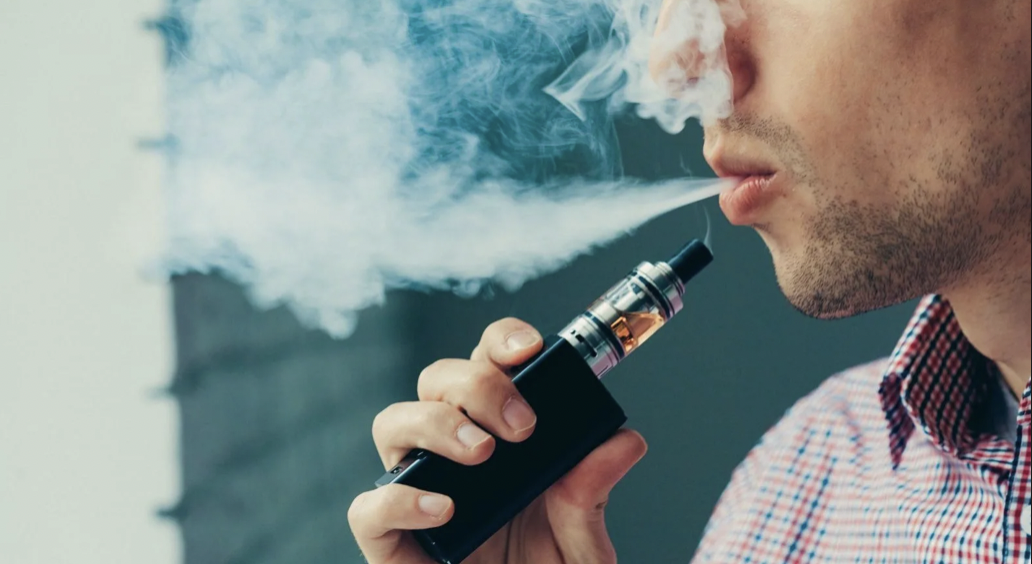
 

UCSD study finds surge in youth tobacco use tied to e-cigarettes


UK South East Seized 3.1M Illegal Vapes Since 2021 as Crackdown Intensifies
Illegal vape seizures in the UK South East have risen sharply over the past five years, with 2023 marking the high point. While single-use vapes were banned from sale in June 2025, enforcement teams say disposable products remain in circulation, fueling renewed calls for licensing and stronger enforcement funding.
Jan.23 by 2FIRSTS.ai
U.S. Fifth Circuit judges question FDA’s claim it has no de facto ban on flavored refillable e-cigarettes
Law360 reports that a Fifth Circuit panel expressed skepticism about the FDA’s claim that it has no de facto ban on flavored refillable e-cigarette products, noting that only six applications had been approved out of hundreds of thousands and that near-100% denials look like a ban.
Jan.07 by 2FIRSTS.ai
Turkey Plans to Ban E-Cigarette Advertising Under Revised Commercial Advertising Rules
Turkey is advancing amendments to its Regulation on Commercial Advertising and Unfair Commercial Practices, proposing stricter controls on e-cigarette and gambling advertising.
Dec.26 by 2FIRSTS.ai
PMI’s Smoke-Free Playbook: What Jacek Olczak Really Told Wall Street
At the Morgan Stanley Global Consumer & Retail Conference on December 2, 2025, PMI CEO Jacek Olczak delivered a clear message: the company’s smoke-free shift is now its central strategy. From ZYN’s surge in the U.S. to IQOS’s global momentum and a changing regulatory tone, his remarks sounded less like an earnings update and more like a declaration of PMI’s smoke-free future.
PMI
Dec.03
Philippine FDA Requires Licenses for Vape Products with Medical Claims
The Philippine Food and Drug Administration has announced that establishments selling vaporized nicotine and non-nicotine products and novel tobacco products with medicinal or therapeutic claims must secure Licenses to Operate. Such products are also required to be registered as pharmaceutical products through the Center for Drug Regulation and Research. The FDA urged stakeholders to comply with the new requirements to ensure product safety, efficacy and quality.
Dec.22 by 2FIRSTS.ai
Bangladesh Approves Ordinance Banning E-Cigarettes and Heated Tobacco Products
Bangladesh’s Advisory Council on December 24 approved the Smoking and Tobacco Products Usage (Control) (Amendment) Ordinance, 2025, aimed at strengthening tobacco control laws. The ordinance bans the use, production and marketing of emerging tobacco products, including e-cigarettes, electronic nicotine delivery systems and heated tobacco products. Nicotine pouches are included in the definition of tobacco products.
Dec.25 by 2FIRSTS.ai