Undercover Police Operation Targets Illegal Nicotine E-cigarette Sales in Florida

Regulations by 2FIRSTS.ai
Apr.16.2024
Undercover Police Operation Targets Illegal Nicotine E-cigarette Sales in Florida
Volusia Sheriff's Office launches undercover operation to crack down on illegal sale of nicotine e-cigarettes in Florida.

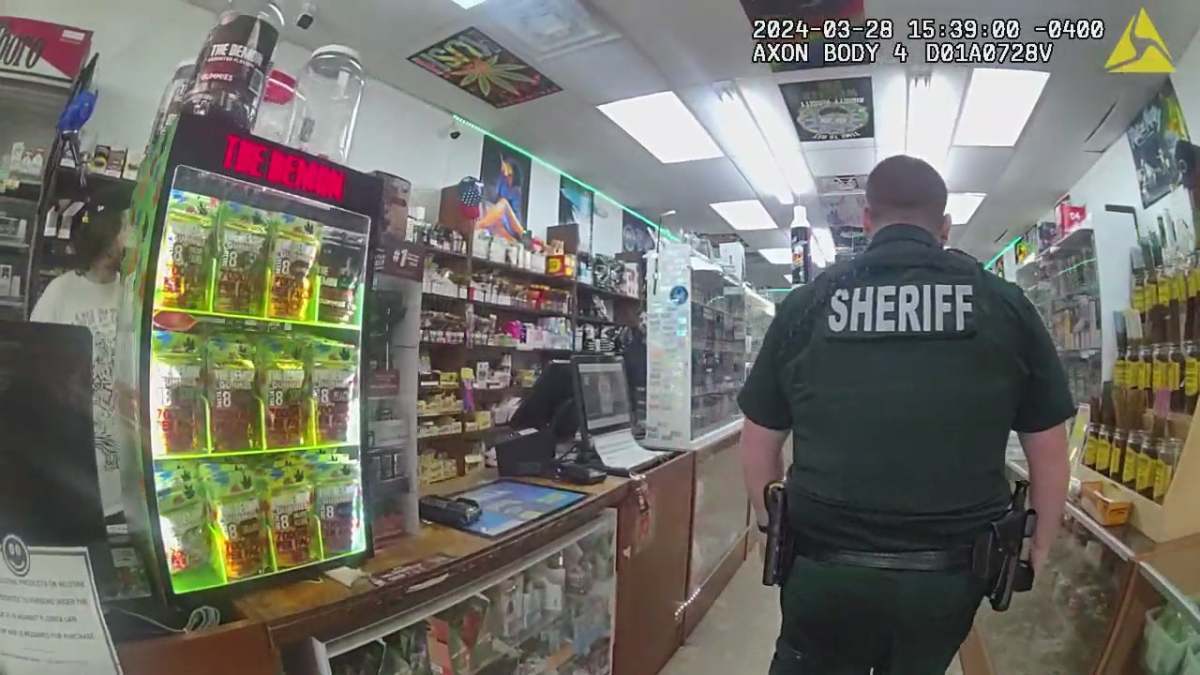
According to a report from shorenewsnetwork on April 15, the Volusia Sheriff's Office in Florida launched a proactive enforcement action, deploying an undercover police officer to visit 17 retail stores in areas such as Daytona Beach, Edgewater, Holly Hill, New Smyrna Beach, Ormond Beach, and Port Orange to purchase nicotine e-cigarette products.


In this enforcement operation, 9 out of 17 stores sold nicotine e-cigarettes to undercover police officers without verifying age or requesting identification. Some stores complied with the requirement to ask for ID, while others either did not directly sell e-cigarette products to consumers or operated solely as wholesalers.


We welcome news tips, article submissions, interview requests, or comments on this piece.

Please contact us at info@2firsts.com, or reach out to Alan Zhao, CEO of 2Firsts, on LinkedIn


Notice

1.  This article is intended solely for professional research purposes related to industry, technology, and policy. Any references to brands or products are made purely for objective description and do not constitute any form of endorsement, recommendation, or promotion by 2Firsts.

2.  The use of nicotine-containing products — including, but not limited to, cigarettes, e-cigarettes, nicotine pouchand heated tobacco products — carries significant health risks. Users are responsible for complying with all applicable laws and regulations in their respective jurisdictions.

3.  This article is not intended to serve as the basis for any investment decisions or financial advice. 2Firsts assumes no direct or indirect liability for any inaccuracies or errors in the content.

4.  Access to this article is strictly prohibited for individuals below the legal age in their jurisdiction.


Copyright


This article is either an original work created by 2Firsts or a reproduction from third-party sources with proper attribution. All copyrights and usage rights belong to 2Firsts or the original content provider. Unauthorized reproduction, distribution, or any other form of unauthorized use by any individual or organization is strictly prohibited. Violators will be held legally accountable.

For copyright-related inquiries, please contact: info@2firsts.com


AI Assistance Disclaimer


This article may have been enhanced using AI tools to improve translation and editorial efficiency. However, due to technical limitations, inaccuracies may occur. Readers are encouraged to refer to the cited sources for the most accurate information.

We welcome any corrections or feedback. Please contact us at: info@2firsts.com

Brazil’s MPF and Anvisa sign pact to intensify enforcement against vapes
Brazil’s Federal Public Prosecutor’s Office (MPF) and health regulator Anvisa signed a cooperation protocol to strengthen enforcement against electronic smoking devices (DEFs) and expand health-risk awareness campaigns.
Feb.03 by 2FIRSTS.ai
British American Tobacco to close South Africa cigarette plant by end-2026, citing illicit trade squeezing legal market
British American Tobacco South Africa (BATSA) said it will halt local production of factory-made cigarettes and close its manufacturing plant in Heidelberg, Gauteng by the end of 2026, shifting to an import-led supply model. The company said illicit cigarettes now account for about 75% of South Africa’s market, making local manufacturing “unsustainable” and putting around 230 jobs at risk.
Jan.16
Nebraska weighs child-safety lock requirement for vapes sold in the state
Nebraska lawmakers heard testimony on LB1254, which would require electronic smoking devices sold in the state to include built-in child safety features. Violations would be a Class IV misdemeanor carrying a fine of up to $500. Supporters argued young children can easily activate unprotected devices by inhaling, risking exposure to nicotine and other toxic chemicals, and said safeguards should mirror child-resistant measures used for medications and other household products.
Feb.28 by 2FIRSTS.ai
Korea’s MFDS sets 2026 plan to manage and disclose harmful constituents in tobacco products
South Korea’s Ministry of Food and Drug Safety (MFDS) said it has established its 2026 work plan to systematically manage harmful constituents in tobacco products and disclose related information under the Tobacco Harmfulness Management Act, which took effect in November 2025.
Jan.16 by 2FIRSTS.ai
Kansas Senate approves tougher vape rules to target unlicensed products and child-directed ads
The Kansas Senate approved Senate Bill 355 on Wednesday, aiming to crack down on unlicensed vaping products and eliminate advertisements geared toward children. The bill, backed by major tobacco companies, would impose the same licensing and advertising requirements on e-cigarettes as other nicotine products and require every e-cigarette manufacturer doing business in Kansas to obtain a license, with a $2,500 application fee.
Feb.13 by 2FIRSTS.ai
Fifth Circuit Upholds FDA’s 2021 PMTA Rule, Citing Statutory Health-Study Requirements
A Fifth Circuit panel upheld the U.S. Food and Drug Administration’s 2021 final rule requiring companies seeking premarket authorization for new tobacco products to include information on health-risk investigations. In a published opinion, the court found FDA satisfied the Regulatory Flexibility Act’s procedural requirements and reasonably relied on the economic analysis from the 2016 “deeming rule” as a factual basis to certify limited impact on small businesses.
Feb.27 by 2FIRSTS.ai