Urgent action for e-cigarette epidemic

Events
Jul.06.2022
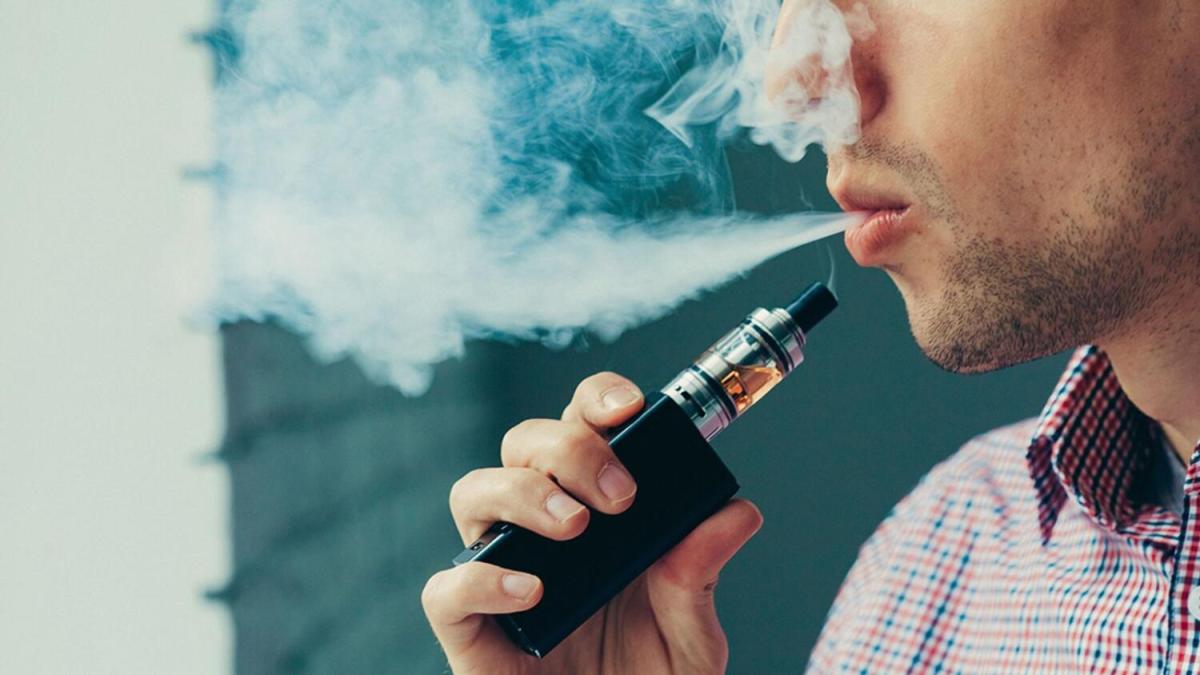
A number of Victorian health organisations are calling for urgent action to protect current and future generations from becoming dependent on harmful e-cigarettes and start smoking.

Quit Victoria, VicHealth and Cancer Council Victoria are calling for urgent action to protect current and future generations from becoming dependent on harmful e-cigarettes and start smoking.


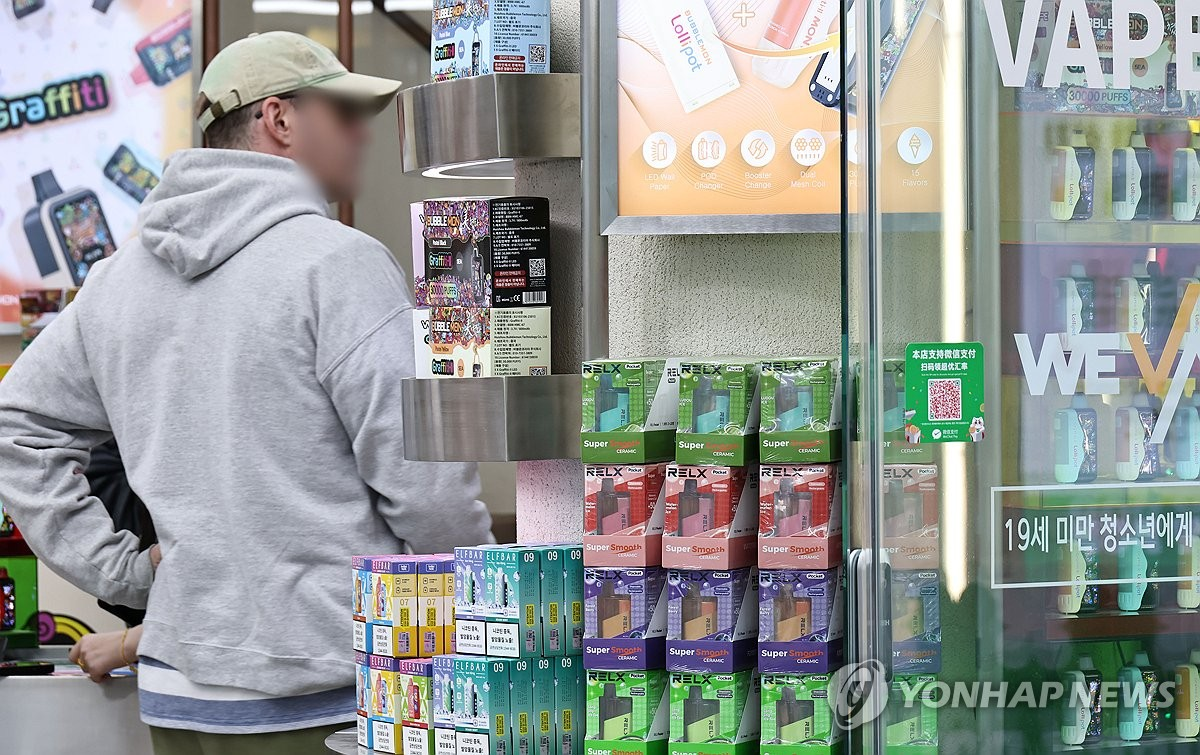
The Four Corners program on ABC recently showed the extent to which importers and retailers in a multi-billion-dollar industry are breaking the law, by selling e-cigarettes to children.
Urgent action for e-cigarette epidemic

Recently the National Health and Medical Research Council (NHMRC) released a comprehensive evidence review, which concluded that e-cigarette aerosol is harmful to health and that people who use e-cigarettes are highly likely to go on to smoke.


“The NHMRC review found that e-cigarettes present very real dangers to children and youth,” said VicHealth Chief Executive Officer Dr Sandro Demaio.


“We’re hearing from parents and community leaders, and teens themselves, that vaping is a huge issue for communities around Victoria.


“The liquid in e-cigarettes contains dozens of toxic chemicals including formaldehyde, nicotine and heavy metals. These are chemicals that are known to cause cancer and damage the brain and do not belong in our lungs.”


Cancer Council Victoria Chief Executive Officer Todd Harper said that surveys conducted by the Cancer Council had shown high levels of community support for measures that protect children from vaping and smoking.


“There are serious community concerns right now and strong support for action,” Mr Harper said.


“The need for a licensing scheme for cigarette and e-cigarette retailers in Victoria, to simplify and strengthen enforcement of laws, is now critical.


“We need the federal government to do more to stop unlawful e-cigarette imports, sure, but we also need to ensure there are consequences for retailers in Victoria who are knowingly doing the wrong thing and illegally selling harmful e-cigarettes to children.


“The Victorian Government has the opportunity to introduce a gold-standard licensing scheme and really show the way in Australia.”


The content excerpted or reproduced in this article comes from a third-party, and the copyright belongs to the original media and author. If any infringement is found, please contact us to delete it. Any entity or individual wishing to forward the information, please contact the author and refrain from forwarding directly from here.

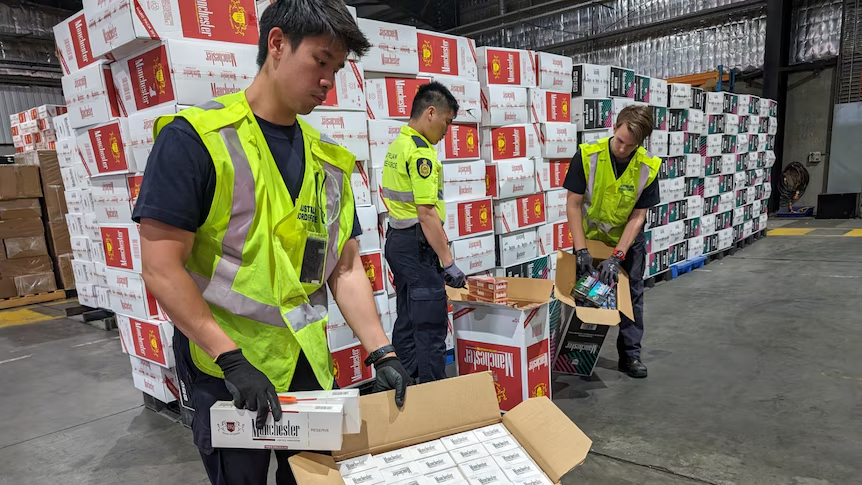
Special Report | China’s Tobacco Tax Debate Shifts Toward Tax Design as Policy Trade-offs Come Into Focus
China’s tobacco tax debate is moving from whether to raise prices to how the tax system should be designed. At a Beijing forum on World No Tobacco Day, experts discussed higher specific excise taxes, minimum tax burdens and dynamic adjustments linked to income and inflation. The issue also connects to China’s broader consumption tax reform, health financing and chronic disease costs. Public reports did not mention e-cigarettes, heated tobacco, nicotine pouches or other new nicotine products.
Jun.11
Ukrainian Media: Polish Vape Distributor Evapify Allegedly Linked to Russian Businessman Named in U.S. “Russia Oligarch Report”
According to an investigative report by Euromaidan Press, a Ukrainian English-language independent media outlet, Russian businessman Oleg Boyko has been sanctioned by Ukraine, Poland, Australia and Canada, but has not been added to the European Union’s sanctions list. The report alleges that Evapify, a Polish vape distributor with financial and personal ties to Boyko, holds a significant position in Poland’s disposable vape market.
News
Jun.01
Sesh touts independence, 8VC backing and retail reach as it challenges tobacco-owned pouch brands
U.S. nicotine pouch brand Sesh has emphasized its independence from Altria, Philip Morris International and British American Tobacco, along with backing from investors including 8VC, celebrity supporters and a retail footprint of more than 7,500 stores, as it seeks to differentiate itself in a market where major pouch brands are owned by large tobacco companies.
Regulations
Jul.07 by 2Firsts Perspectives
FDA Foreign Tobacco Registration Proposal Could Strengthen ENDS Import Oversight, Azim Chowdhury Says
FDA’s proposed rule requiring foreign tobacco manufacturers to register establishments and list products is more than routine paperwork, Keller and Heckman LLP partner Azim Chowdhury told 2Firsts. He said it could strengthen FDA’s import enforcement, inspections and market surveillance. Chinese e-cigarette OEM/ODM manufacturers, specification developers, brand owners and component suppliers may need to review their roles, product data and U.S. market authorization status.
Special Report
Jun.29
 Philip Morris Lowers Profit Outlook as Zyn Faces Competition and FDA Delays
Philip Morris Lowers Profit Outlook as Zyn Faces Competition and FDA Delays
According to Reuters, Philip Morris International (PMI) lowered its 2026 adjusted earnings-per-share forecast amid regulatory uncertainty around Zyn nicotine pouches, rising competition and shipment pressure in the U.S. market.
PMI
Jun.02
Tobacco Farming in the New Nicotine Era: Why Indian Farmers Struggle to Transition — Contributed by Samrat Chowdhery
In this contributed article to 2Firsts, Mumbai-based journalist and harm reduction advocate Samrat Chowdhery examines India’s tobacco transition from the perspective of agriculture, supply chains and regulation. As noted by 2Firsts, India offers a relevant case for understanding how new nicotine technologies may affect not only consumption, trade and policy, but also tobacco farming.
Special Report
May.29