According to Bloomberg Law, on August 17th, U.S. Federal Judge Leonie M. Brinkema modified a ruling made on June 15th by the Eastern District Court of Virginia in a patent infringement case involving an electronic cigarette product. The amounts awarded for pre-judgment interest and supplemental damages were increased. Per the ruling, R.J. Reynolds Vapor Co. owes PMI more than $14 million, with $10.9 million for infringement of one patent and $3.16 million for infringement of another.
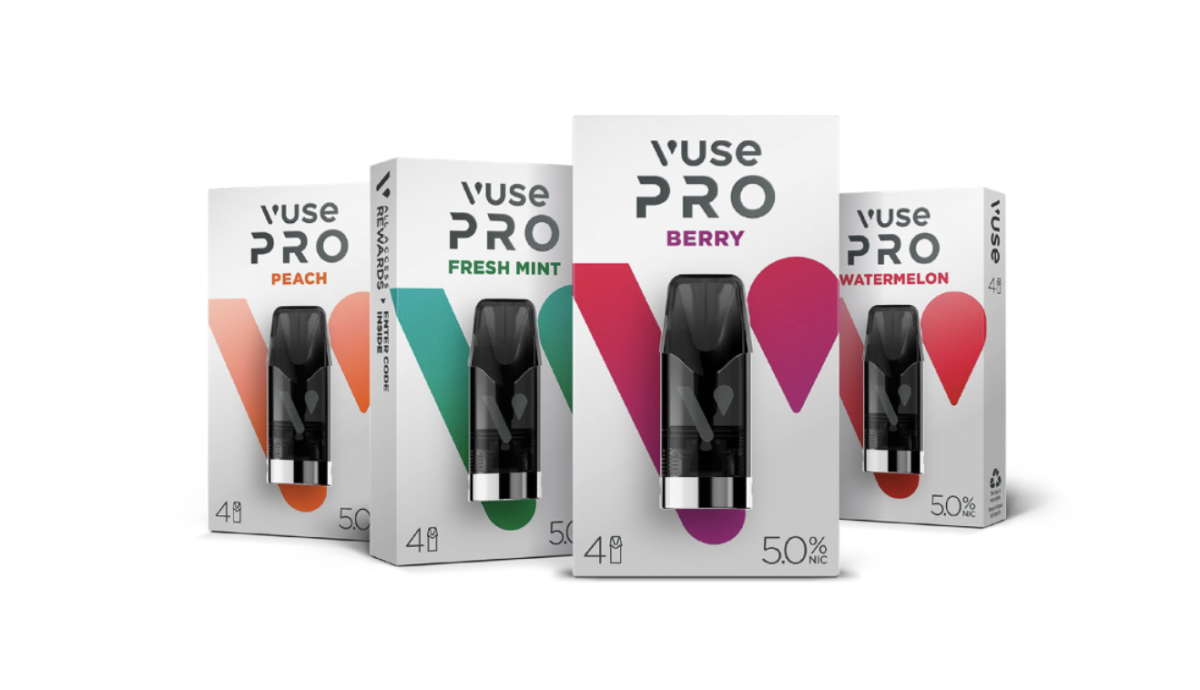
In the verdict on June 15th, the jury found that Reynolds' Vuse Solo and Alto devices infringed on two patents of Pharma International, which involved heating substances and parts of vaping devices that prevent leakage. At the same time, the jury also ruled that Vuse Alto infringed on another patent.
The verdict pertains to a countersuit filed by Philip Morris International in an ongoing patent litigation involving Reynolds' IQOS heated tobacco device. In November of last year, Reynolds secured an order from the US International Trade Commission blocking the import of IQOS. Earlier this year, however, Philip Morris secured a victory in a US Patent Office court, which ruled that certain patents alleged by Reynolds to have been infringed were invalid.
Reynolds' parent company, BAT, has filed a lawsuit against Philip Morris regarding the IQOS product in the UK, Germany, and elsewhere. In the first half of this year, PMI filed a document with the US Securities and Exchange Commission stating that IQOS patent lawsuits and challenges outside the US have repeatedly failed. Altria has also separately sued Reynolds for patent infringement regarding the Vuse line in North Carolina.
Statement
This article is compiled from third-party information and is provided for industry communication and learning purposes.
This article does not represent the views of 2FIRSTS and 2FIRSTS cannot confirm the authenticity and accuracy of its content. The translation of this article is only intended for internal industry exchange and research.
Due to limitations in our translation abilities, the translated article may not fully match the original text. Please refer to the original text for accuracy.
2FIRSTS is fully aligned with the Chinese government's positions and statements on all domestic, Hong Kong, Macau, Taiwan, and foreign-related issues.
The copyright of the compiled information belongs to the original media and author. If there is any infringement, please contact us for deletion.
Disclaimer
This article is provided solely for professional research, industry discussion, and informational purposes. Any references to brands, companies, products, technologies, or policies are made for factual reporting and analytical purposes only, and do not constitute endorsement, recommendation, promotion, or advertising by 2Firsts.
Nicotine-containing products, including but not limited to cigarettes, e-cigarettes, heated tobacco products, and nicotine pouches, carry significant health risks. Readers are responsible for complying with all applicable laws and regulations in their respective jurisdictions, including age restrictions and access limitations.
The information contained in this article should not be regarded as investment, legal, medical, regulatory, or commercial advice. While 2Firsts strives to ensure the accuracy and reliability of its content, it does not assume liability for any direct or indirect loss arising from errors, omissions, inaccuracies, or reliance on the information contained herein.
This article is not intended for individuals below the legal age for accessing tobacco or nicotine-related information in their jurisdiction.
Copyright Notice
This article is either original content produced by 2Firsts or content reproduced, translated, summarized, or adapted from third-party sources with attribution where applicable. The intellectual property rights of the original content remain with 2Firsts or the respective original rights holders.
No individual or organization may copy, reproduce, distribute, republish, modify, translate, or otherwise use this content without prior authorization. Any unauthorized use may result in legal action.
For copyright-related inquiries, corrections, or removal requests, please contact: info@2firsts.com.
AI-Assisted Translation and Editing Notice
Portions of this article may have been translated, edited, or reviewed with the assistance of artificial intelligence tools to improve efficiency and readability. Due to the limitations of AI-assisted translation and editing, discrepancies, omissions, or inaccuracies may exist when compared with the original source.
Where applicable, readers are advised to refer to the original source for the most complete and accurate information. If you identify any errors or believe that any content infringes upon your rights, please contact us at info@2firsts.com, and we will review and address the matter promptly.