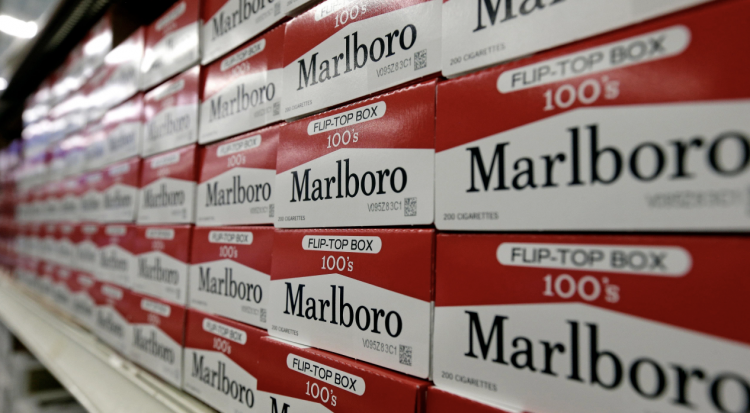
The US Department of Justice (DOJ) announced this week that tobacco companies in America will now be required to display signs at retail locations indicating the health risks and impacts of smoking as part of corrective measures issued in a lawsuit, over 20 years after the original filing.
In 1999, the United States Department of Justice filed a lawsuit against several major tobacco companies, accusing them of violating the Racketeer Influenced and Corrupt Organizations (RICO) Act. The lawsuit claimed that tobacco companies deliberately misled the public about the risks of smoking for decades.
In 2006, a federal judge ruled that these companies were responsible for alleged violations of the RICO Act and ordered them to take corrective measures. The judge also noted that without such an order, these companies may continue to violate the RICO Act.
However, tobacco companies questioned the findings in court and delayed the implementation of the order. The original ruling was eventually upheld and an agreement was reached between the parties. The corrective measures were set to take effect in 2017.
These corrective measures include publishing statements in English and Spanish about the dangers of smoking in print, online, and on major television networks.
This week's announced measure is part of the yet-to-be-released final remedy in the decades-long legal collapse. It affects the defendants in this case, including Altria, Reynolds Tobacco Company, and four cigarette brands under ITG Brands LLC.
When reached for comment, a spokesperson for Reynolds stated, "We strongly support increasing public awareness of the dangers of smoking, but these efforts must respect the First Amendment protection measures applicable to all speakers, including tobacco product manufacturers. We cannot make any further comments regarding pending litigation.
Starting from July 1st, 2023, statements regarding the hazards of smoking will be displayed on prominent signage at thousands of retail locations. As announced by the US Department of Justice, approximately 200,000 retailers who have sales agreements with tobacco companies will be allowed to control how their tobacco products are displayed in stores.
These signs will include information on various diseases related to tobacco use, estimates of the number of people who die from smoking, and statements about the addictive nature of cigarettes.
According to an agreement reached with tobacco retailers in early May, these signs are expected to remain in place for two years.
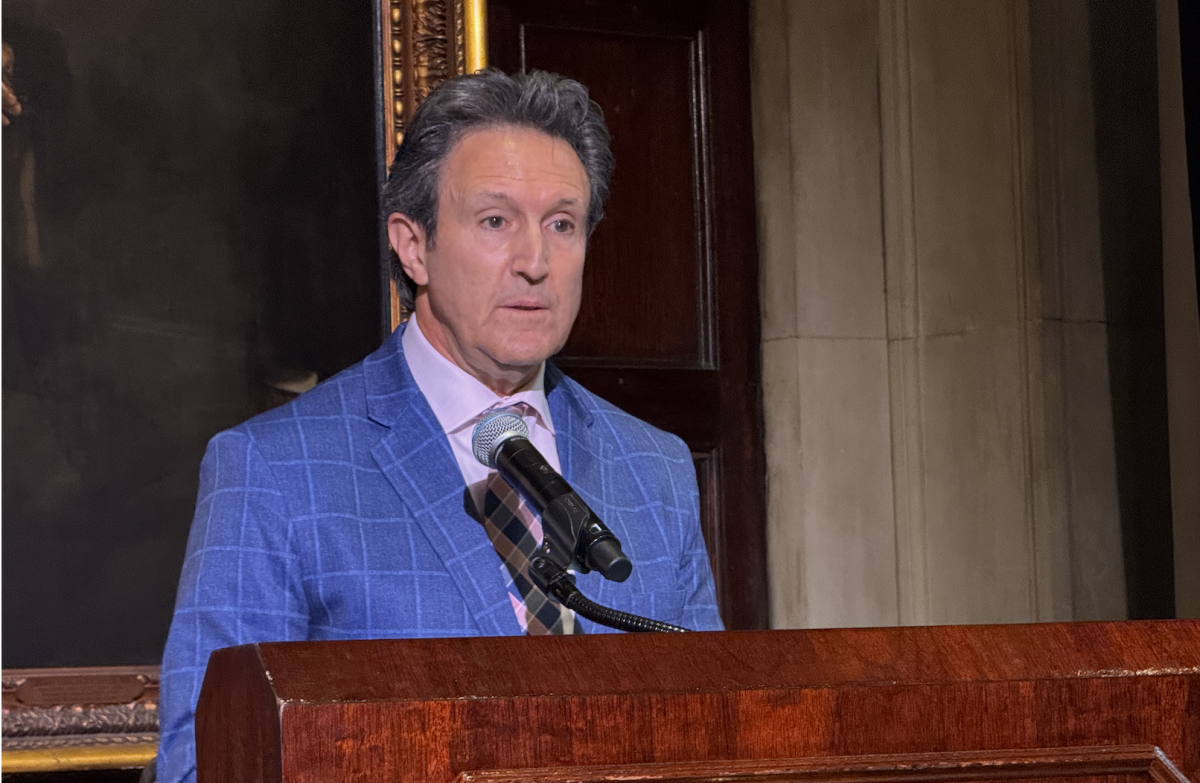
For decades, tobacco companies have misled the public on the health hazards of smoking and have been ordered by federal courts to implement a series of corrective measures," said Chief Deputy Assistant Attorney General Brian Benczkowski in a statement.
All of these measures have been implemented, with the exception of one - displaying corrective statements in retail stores that sell cigarettes. Today's order to implement the remaining remedies is a significant achievement, as it will educate American consumers and save lives," added Boynton.
2FIRSTS will continue to track and report on this topic. Further updates will be available on the '2FIRSTS APP.' Scan the QR code below to download the app.
Disclaimer
This article is provided solely for professional research, industry discussion, and informational purposes. Any references to brands, companies, products, technologies, or policies are made for factual reporting and analytical purposes only, and do not constitute endorsement, recommendation, promotion, or advertising by 2Firsts.
Nicotine-containing products, including but not limited to cigarettes, e-cigarettes, heated tobacco products, and nicotine pouches, carry significant health risks. Readers are responsible for complying with all applicable laws and regulations in their respective jurisdictions, including age restrictions and access limitations.
The information contained in this article should not be regarded as investment, legal, medical, regulatory, or commercial advice. While 2Firsts strives to ensure the accuracy and reliability of its content, it does not assume liability for any direct or indirect loss arising from errors, omissions, inaccuracies, or reliance on the information contained herein.
This article is not intended for individuals below the legal age for accessing tobacco or nicotine-related information in their jurisdiction.
Copyright Notice
This article is either original content produced by 2Firsts or content reproduced, translated, summarized, or adapted from third-party sources with attribution where applicable. The intellectual property rights of the original content remain with 2Firsts or the respective original rights holders.
No individual or organization may copy, reproduce, distribute, republish, modify, translate, or otherwise use this content without prior authorization. Any unauthorized use may result in legal action.
For copyright-related inquiries, corrections, or removal requests, please contact: info@2firsts.com.
AI-Assisted Translation and Editing Notice
Portions of this article may have been translated, edited, or reviewed with the assistance of artificial intelligence tools to improve efficiency and readability. Due to the limitations of AI-assisted translation and editing, discrepancies, omissions, or inaccuracies may exist when compared with the original source.
Where applicable, readers are advised to refer to the original source for the most complete and accurate information. If you identify any errors or believe that any content infringes upon your rights, please contact us at info@2firsts.com, and we will review and address the matter promptly.