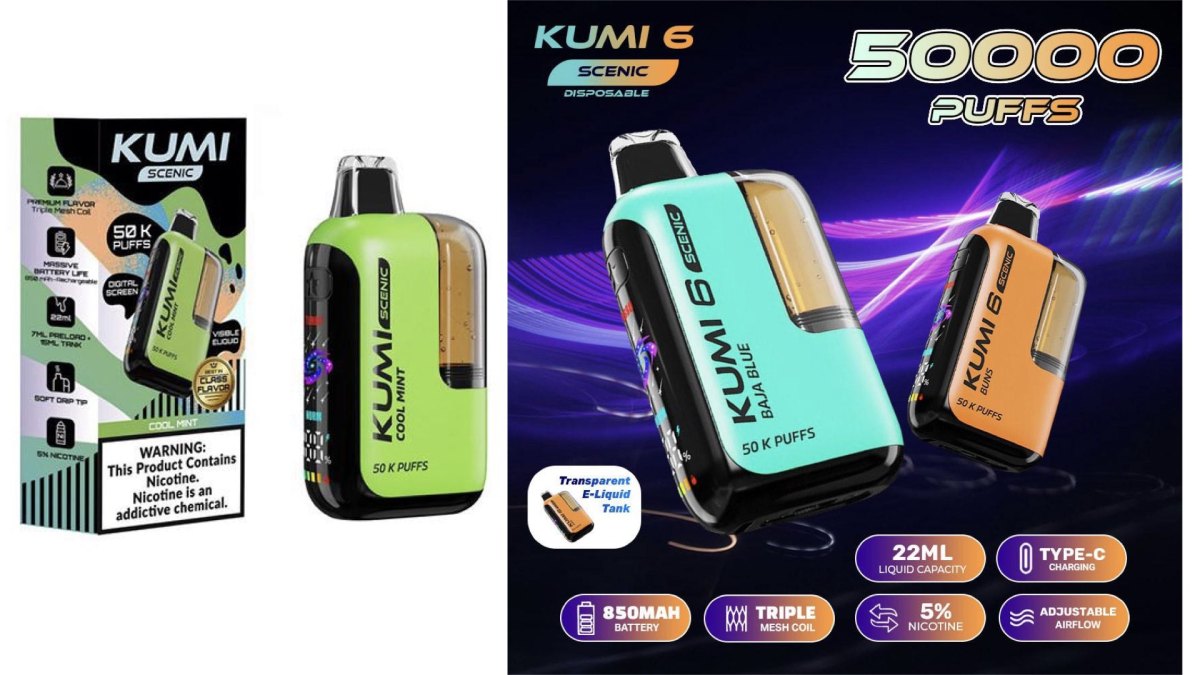
VPZ stated that the current challenge facing the industry is the availability of unregulated imported disposable e-cigarette products in local convenience stores and supermarkets. These products are easily accessible without any regulation or control.
Doug Mutter, President of VPZ, has emphasized the importance of stricter control and regulation of electronic cigarette products. He has urged the Scottish government to take immediate action and implement measures that would require flavored products to only be sold by licensed professional e-cigarette shops that adhere to the Challenge 25 policy and provide consultation for adult smokers and e-cigarette users. In the UK, electronic cigarette products containing nicotine must be registered with the Medicines and Healthcare products Regulatory Agency (MHRA).
However, recent reports have emphasized how unregulated disposable e-cigarette products that are imported are being sold throughout the UK without any control or customer education. This poses a significant threat to the once in a lifetime opportunity for public health.
According to Doug Mutter, electronic cigarettes have had a significant impact in helping more and more people in the UK quit smoking. They have also received the support of authoritative public health agencies as an effective method for treating tobacco dependence. These agencies have recommended the inclusion and encouragement of electronic cigarettes in all treatment approaches.
The American e-cigarette market has been devastated by various factors, including a lack of regulation, posing a serious threat to the UK and potentially damaging the significant progress e-cigarettes have made in improving national health and helping the country reach its smoke-free goals. It is now crucial that we work closely with trade standards, MHRA, border forces, HMRC, NHS, and the Scottish government to address this issue.
If we are to achieve our ambitious goal of a smoke-free generation, we need to take bold and incremental steps to promote and educate the health benefits of electronic cigarettes in advertising.
Researchers from King's College London have found that vaping is more effective in quitting smoking than nicotine replacement therapy. Another report from the Royal College of Physicians Tobacco Advisory Group supports e-cigarettes as an effective treatment for tobacco dependency and suggests that they should be included in all cessation efforts and encouraged. The report also found that the long-term effects of vaping are 95% lower than smoking.
Dr. Javed Khan's recent government-commissioned review outlined recommendations for eliminating smoking and creating a smoke-free generation. The report suggests using e-cigarettes as a way to quit smoking and providing accurate information to consumers about the benefits of making the switch. VPZ hosted an event at their Sauchiehall Street store in Glasgow City Centre, launching Stoptober with interactive carbon monoxide breath tests to educate the public about their health status and reveal the effects of smoking on their bodies.
The event also includes the introduction of their Vape Clinic service, where smokers can receive specialized one-on-one consultations with e-cigarette experts from VPZ to help them quit smoking. These experts are well-trained and possess professional knowledge in interacting with smokers, promoting the health and economic benefits of switching to e-cigarettes.
VPZ, headquartered in Edinburgh, has announced that since its establishment in 2012, it has helped over 700,000 smokers quit smoking. The retailer recently launched a mobile e-cigarette clinic with celebrity ambassador Neil "Razor" Ruddock to help more people quit smoking throughout the UK. They are also calling on the UK government to ban smoking and take a proactive approach to e-cigarettes to improve public health.
Statement:
This article is compiled from third-party information and is intended only for industry communication and learning purposes.
This article does not reflect the views of 2FIRSTS and 2FIRSTS is unable to confirm the truthfulness or accuracy of the content. The translation of this article is only intended for industry communication and research purposes.
Due to limitations in the compiler's ability, the translated article may not fully reflect the original text. Therefore, it is recommended to refer to the original text for accuracy.
2FIRSTS maintains complete alignment with the Chinese government on any domestic, Hong Kong, Macau, Taiwan-related, or international statements and positions.
The compilation of information is copyrighted to the original media and authors. If there is any infringement, please contact us for removal.
Disclaimer
This article is provided solely for professional research, industry discussion, and informational purposes. Any references to brands, companies, products, technologies, or policies are made for factual reporting and analytical purposes only, and do not constitute endorsement, recommendation, promotion, or advertising by 2Firsts.
Nicotine-containing products, including but not limited to cigarettes, e-cigarettes, heated tobacco products, and nicotine pouches, carry significant health risks. Readers are responsible for complying with all applicable laws and regulations in their respective jurisdictions, including age restrictions and access limitations.
The information contained in this article should not be regarded as investment, legal, medical, regulatory, or commercial advice. While 2Firsts strives to ensure the accuracy and reliability of its content, it does not assume liability for any direct or indirect loss arising from errors, omissions, inaccuracies, or reliance on the information contained herein.
This article is not intended for individuals below the legal age for accessing tobacco or nicotine-related information in their jurisdiction.
Copyright Notice
This article is either original content produced by 2Firsts or content reproduced, translated, summarized, or adapted from third-party sources with attribution where applicable. The intellectual property rights of the original content remain with 2Firsts or the respective original rights holders.
No individual or organization may copy, reproduce, distribute, republish, modify, translate, or otherwise use this content without prior authorization. Any unauthorized use may result in legal action.
For copyright-related inquiries, corrections, or removal requests, please contact: info@2firsts.com.
AI-Assisted Translation and Editing Notice
Portions of this article may have been translated, edited, or reviewed with the assistance of artificial intelligence tools to improve efficiency and readability. Due to the limitations of AI-assisted translation and editing, discrepancies, omissions, or inaccuracies may exist when compared with the original source.
Where applicable, readers are advised to refer to the original source for the most complete and accurate information. If you identify any errors or believe that any content infringes upon your rights, please contact us at info@2firsts.com, and we will review and address the matter promptly.