WITCO CEO Raoul Glynn Supports Legislation to Prevent Underage Smoking and Vaping

BAT by 2FIRSTS.ai
Apr.25.2024
WITCO CEO Raoul Glynn Supports Legislation to Prevent Underage Smoking and Vaping
WITCO CEO Raoul Glynn supports UK legislation to prevent underage smoking and e-cigarette use, emphasizing impact of illegal tobacco trade.

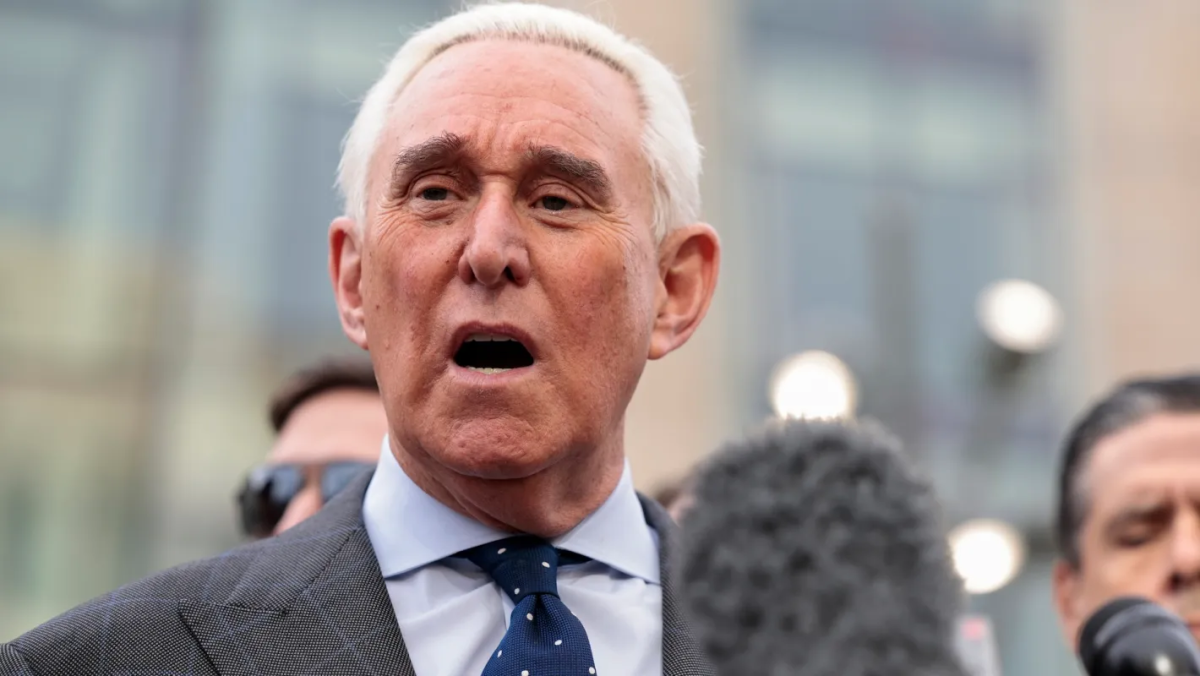
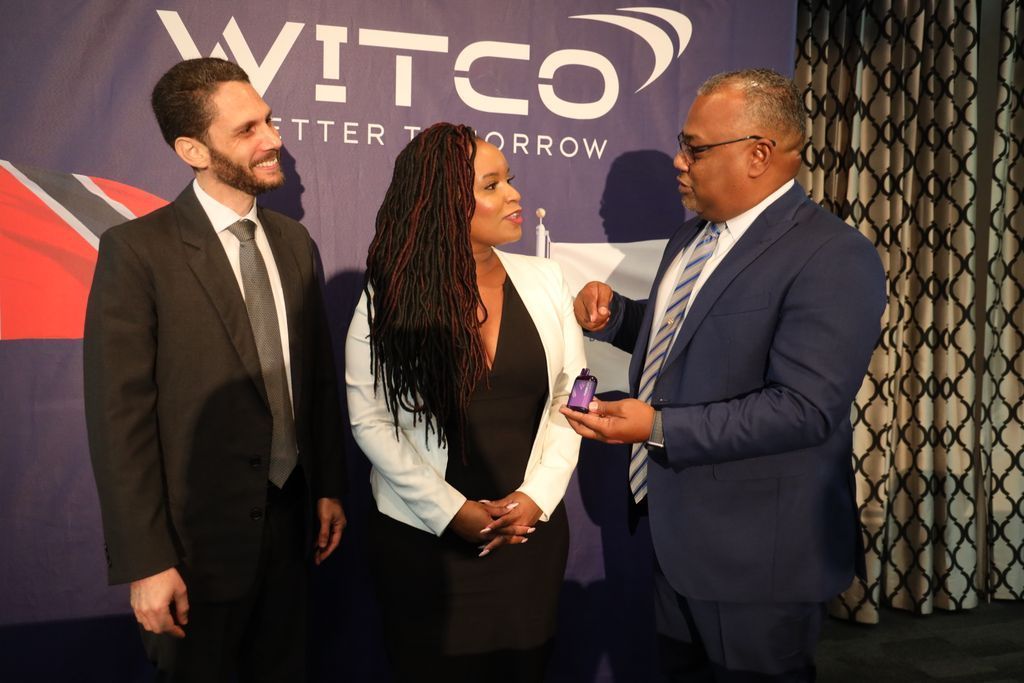
According to a report by The Guardian on April 24th, Raoul Glynn, CEO of West Indies Tobacco Company (WITCO), a subsidiary of British American Tobacco, expressed support for legislation in the UK aimed at preventing children under the age of 15 from smoking or using e-cigarettes.


Last week, the UK House of Commons passed a bill prohibiting the sale of tobacco products to individuals born in 2009 or later. Following the conclusion of the company's annual shareholder meeting held yesterday at Queen's Hall in Spain, Greene stated that any responses to the situation should not allow minors to come into contact with or purchase these products.


Greene supports legislation to prevent minors from accessing tobacco products and states that this practice has already been implemented in cigarette sales and will also be applied to e-cigarette products in the future. Regarding the issue of illegal tobacco sales, Greene says it has been an ongoing struggle for tobacco manufacturers.


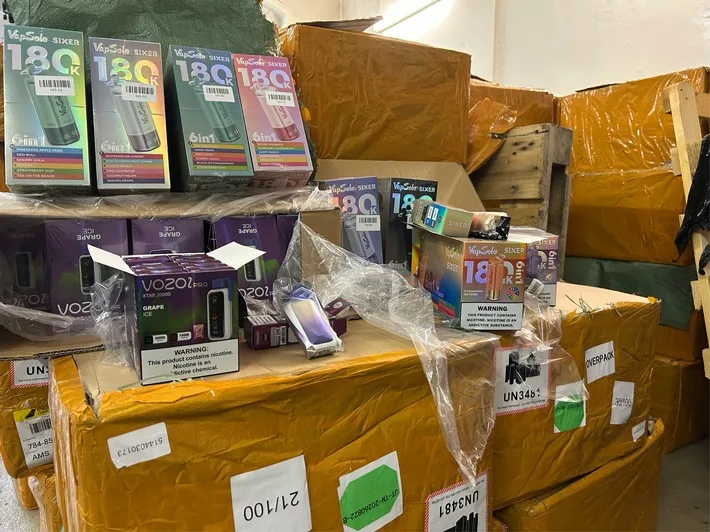
Illegal tobacco trade has increased significantly, and we conservatively estimate that the illegal tobacco market now accounts for 20% of total sales. This estimate may even be low, as there is no scientific method to accurately measure this issue. Illegal trade continues to impact our business. The Trinidad and Tobago Manufacturers Association (TTMA) has been sounding the alarm and ensuring that key stakeholders are aware of this problem. The crux of the issue is that due to illegal trade, the treasury is missing out on at least 20% of tax revenue.


Green calls on authorities to crack down more severely on tobacco smuggling, and stakeholders should take more measures, such as increasing border control efforts and identifying and closing loopholes.


We welcome news tips, article submissions, interview requests, or comments on this piece.

Please contact us at info@2firsts.com, or reach out to Alan Zhao, CEO of 2Firsts, on LinkedIn


Notice

1.  This article is intended solely for professional research purposes related to industry, technology, and policy. Any references to brands or products are made purely for objective description and do not constitute any form of endorsement, recommendation, or promotion by 2Firsts.

2.  The use of nicotine-containing products — including, but not limited to, cigarettes, e-cigarettes, nicotine pouchand heated tobacco products — carries significant health risks. Users are responsible for complying with all applicable laws and regulations in their respective jurisdictions.

3.  This article is not intended to serve as the basis for any investment decisions or financial advice. 2Firsts assumes no direct or indirect liability for any inaccuracies or errors in the content.

4.  Access to this article is strictly prohibited for individuals below the legal age in their jurisdiction.


Copyright


This article is either an original work created by 2Firsts or a reproduction from third-party sources with proper attribution. All copyrights and usage rights belong to 2Firsts or the original content provider. Unauthorized reproduction, distribution, or any other form of unauthorized use by any individual or organization is strictly prohibited. Violators will be held legally accountable.

For copyright-related inquiries, please contact: info@2firsts.com


AI Assistance Disclaimer


This article may have been enhanced using AI tools to improve translation and editorial efficiency. However, due to technical limitations, inaccuracies may occur. Readers are encouraged to refer to the cited sources for the most accurate information.

We welcome any corrections or feedback. Please contact us at: info@2firsts.com

Rethinking Nicotine Harm Reduction: A Neuroscientist’s Perspective on Scientific Gaps and Future Directions — By Dr. Xin-an Liu
After France’s ANSES report on nicotine products and harm reduction, Dr. Xin-an Liu wrote to 2Firsts reassessing the field’s foundations. She argues the debate reveals gaps in evidence on long-term behavioral substitution, addiction pathways and neurobiological impacts, and calls for longitudinal research, integrated behavioral science and neuroimaging, clearer risk assessment and stronger transparency to ensure policy and next-generation product development rest on solid evidence.
Industry Insight
Feb.24
Alabama House Health Committee advances SB9 to restrict vaping in public spaces under Clean Indoor Air Act
The Alabama House Health Committee passed Senate Bill 9 on Wednesday to restrict vaping in public areas under the state’s Clean Indoor Air Act. Introduced by Sen. Gerald Allen, SB9 would add vapes—defined as “electronic nicotine delivery systems”—to the forms of “smoking” currently prohibited in enclosed public places.
Feb.13 by 2FIRSTS.ai
Qnovia’s Heat-Free Inhalable Nicotine Replacement Therapy Posts Positive First-in-Human Data, Advances FDA and MHRA Filings as Funding Expands
U.S.-based medical startup Qnovia Inc. reported positive results from its first-in-human clinical trial of RespiRx, an inhalable nicotine replacement therapy (NRT) device designed to support smoking cessation.
Innovation
Feb.24
Study: Links between internalizing mental health symptoms and nicotine/tobacco use vary by gender identity among U.S. adolescents
A study using 2020–2023 U.S. data from the ITC Youth Tobacco and Vaping Survey (ages 16–19) reports that both nicotine/tobacco use and internalizing mental health (IMH) symptoms vary across disaggregated gender identities, and that gender identity moderates the relationship between IMH symptoms and product use.
Feb.27 by 2FIRSTS.ai
Philippine Lawmakers Push Bill to Close Vape Tax Loopholes
Lawmakers in the Philippines are pushing House Bill 5207 (HB 5207), which seeks to harmonize excise tax rates on vapor products and address disparities between nicotine salt and freebase nicotine taxation. The bill, supported by more than 40 lawmakers including Deputy Speaker Kristine Singson-Meehan, would raise taxes on freebase nicotine products to align them with nicotine salt rates.
Regulations
Feb.22
Ohio Supreme Court takes up appeal that could define state limits on illegal vape sales enforcement
The Ohio Supreme Court has agreed to hear Attorney General Dave Yost’s appeal seeking to revive lawsuits against three Ohio vape retailers. Lower courts dismissed the cases, finding that federal law governs whether vaping products may be marketed and sold.
Mar.06 by 2FIRSTS.ai