UK South East Seized 3.1M Illegal Vapes Since 2021 as Crackdown Intensifies

Jan.23
UK South East Seized 3.1M Illegal Vapes Since 2021 as Crackdown Intensifies
Illegal vape seizures in the UK South East have risen sharply over the past five years, with 2023 marking the high point. While single-use vapes were banned from sale in June 2025, enforcement teams say disposable products remain in circulation, fueling renewed calls for licensing and stronger enforcement funding.

Key points


  • FOI data shows 3.1 million vapes were seized from ports or shops across the UK South East between 2021 and 2025.
  • Kent County Council (including its ports team) accounted for 3 million devices; Surrey seized 40,835 and Medway 32,806.
  • 2025 saw 556,368 illegal vapes seized, up from 5,755 in 2021; the peak year was 2023 with 1,539,582 seizures across Kent, Surrey and Sussex.
  • The UK’s single-use vape ban took effect in June 2025, but authorities say disposables are still being found on sale.
  • The industry is urging mandatory retailer/distributor licensing and tougher penalties; the government says it is investing £30 million in 2025/26 for enforcement agencies.


2Firsts, January 23, 2026


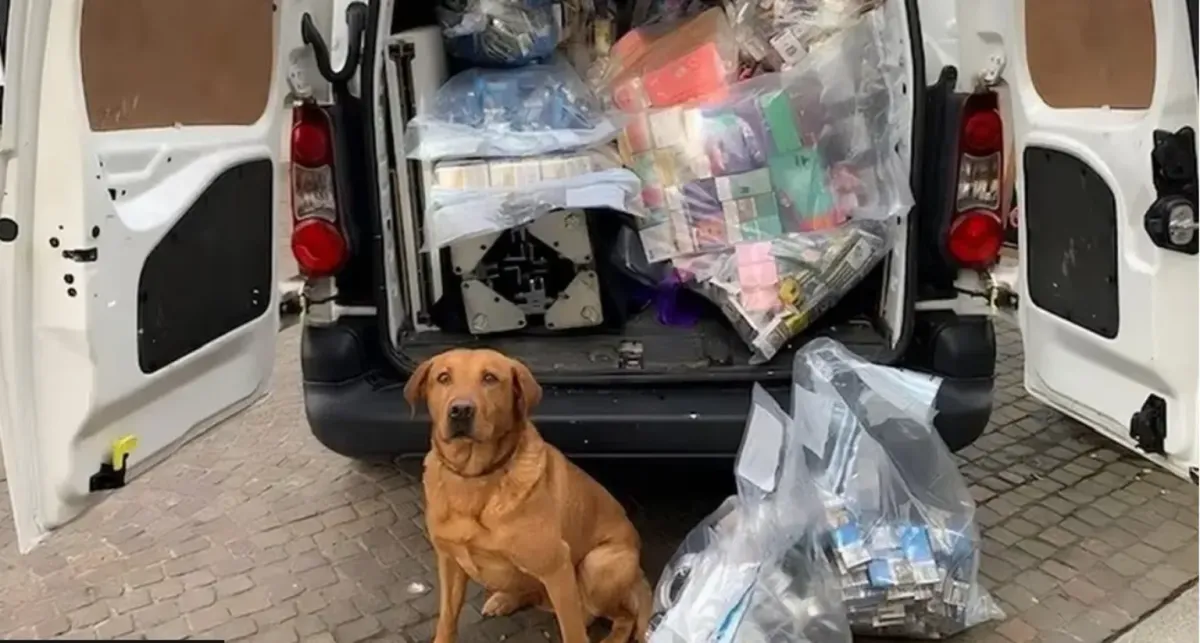
According to BBC South East, figures obtained via a freedom of information request show 3.1 million vapes were seized from ports or shops across the UK South East between 2021 and 2025. Kent County Council, including its ports team, detected 3 million devices. Surrey County Council seized 40,835 and Medway Council 32,806. Elsewhere in the region, Brighton & Hove found 28,473 vapes, West Sussex seized 24,102, and East Sussex 11,928.


In 2025, councils in the South East seized 556,368 illegal vaping products, up from 5,755 in 2021. The peak year for seizures came in 2023, when 1,539,582 were made across Kent, Surrey and Sussex.


The report notes that from June 2025 it became illegal for businesses in the UK to sell, supply or possess single-use vapes for sale, a move aimed at protecting children’s health and the environment. Under the rules, only reusable devices can be legally sold, and they must have a rechargeable battery, a replaceable coil, and be refillable. Enforcement officers said single-use vape sales remain an issue despite the ban.


Retailers caught selling illegal vapes can face a £200 fine in the first instance, escalating to an unlimited fine and/or up to two years in prison for repeat offences.


The UK Vaping Industry Association said most vape shops operate within the law and are increasingly being undercut by illegal operators. Its director general, John Dunne, called for a mandatory licensing scheme for vape retailers and distributors, alongside tougher penalties and sustained, ring-fenced funding for Trading Standards.


The government said that in 2025/26 it is investing £30 million of new funding for enforcement agencies including Trading Standards, Border Force and HMRC to tackle the illicit and underage sale of tobacco and vapes, supporting implementation of the Tobacco and Vapes Bill. A government spokesperson said the Bill would give authorities stronger enforcement powers, including the ability to issue on-the-spot fines, and enable government to introduce a licensing scheme for retailers.


Image source: BBC


We welcome news tips, article submissions, interview requests, or comments on this piece.

Please contact us at info@2firsts.com, or reach out to Alan Zhao, CEO of 2Firsts, on LinkedIn


Notice

1.  This article is intended solely for professional research purposes related to industry, technology, and policy. Any references to brands or products are made purely for objective description and do not constitute any form of endorsement, recommendation, or promotion by 2Firsts.

2.  The use of nicotine-containing products — including, but not limited to, cigarettes, e-cigarettes, nicotine pouchand heated tobacco products — carries significant health risks. Users are responsible for complying with all applicable laws and regulations in their respective jurisdictions.

3.  This article is not intended to serve as the basis for any investment decisions or financial advice. 2Firsts assumes no direct or indirect liability for any inaccuracies or errors in the content.

4.  Access to this article is strictly prohibited for individuals below the legal age in their jurisdiction.


Copyright


This article is either an original work created by 2Firsts or a reproduction from third-party sources with proper attribution. All copyrights and usage rights belong to 2Firsts or the original content provider. Unauthorized reproduction, distribution, or any other form of unauthorized use by any individual or organization is strictly prohibited. Violators will be held legally accountable.

For copyright-related inquiries, please contact: info@2firsts.com


AI Assistance Disclaimer


This article may have been enhanced using AI tools to improve translation and editorial efficiency. However, due to technical limitations, inaccuracies may occur. Readers are encouraged to refer to the cited sources for the most accurate information.

We welcome any corrections or feedback. Please contact us at: info@2firsts.com

South Korea Imports 12,126 Kg of Nicotine Analogues From April to August After Bringing Synthetic Nicotine Under Tobacco Law
South Korea's liquid-vape market is showing changes across raw-material imports, product types and sales channels after synthetic nicotine came under the Tobacco Business Act on April 24. Customs data show nicotine-analogue imports totaled 12,126 kilograms from April through August, while synthetic-nicotine imports over the same five months totaled 231,663 kilograms, just 39.3% of the amount imported in March alone. Physical liquid-vape stores tracked in Seoul and Gyeonggi Province fell 9.9%, unmanned outlets edged higher and online sales listings increased from 27,774 to 42,437. Government testing of 105 liquid inhalation products promoted as nicotine-free separately found nicotine in 13 and 6-methylnicotine in 12.
Sep.22
Huabao International Buys Indonesian HNB Manufacturer for RMB 90 Million, Adding OEM/ODM Capacity
Huabao International Holdings Limited will acquire 100% of PT Broad Far Indonesia through two wholly owned subsidiaries for approximately RMB 90 million. The Indonesian company manufactures and sells heat-not-burn tobacco sticks and provides OEM/ODM services. The sellers are part of a related-party group controlled by Huabao International Chair and controlling shareholder Zhu Linyao. PT Broad Far Indonesia generated $4.37 million in revenue and $177,000 in profit after tax in the first half of 2026, while net assets stood at about $326,000 at June-end. An independent valuer assessed the company’s equity at approximately RMB 93.06 million. Following completion, the HNB manufacturing operation will be consolidated into Huabao International.
News
Sep.29 by 2Firsts Perspectives
South Korea Extends Vape Rules to Unmanned Stores After Bringing Synthetic Nicotine Under Tobacco Law
South Korea's Ministry of Gender Equality and Family said on September 14 that it plans to designate unmanned e-cigarette stores as businesses where minors are prohibited from entering or working. Operators would be required to verify customers' ages and display notices restricting access by minors. The proposal is open for public comment through October 6. The move follows an April expansion of South Korea's statutory tobacco definition that brought products made with natural or synthetic nicotine under the Tobacco Business Act. Nicotine-free liquids and products using nicotine analogues such as 6-methylnicotine, however, remain an emerging regulatory issue.
Sep.21
Philippines Weighs Unified Vape Tax as Lawmakers Back Risk-Based Rates and Government Seeks to Fill ₱66 Billion Revenue Gap
Philippine lawmakers are considering an overhaul of the country's vape excise-tax regime to eliminate the wide gap between taxes on nicotine salt and freebase nicotine liquids and reduce incentives for misdeclaration. House Bill 5364, filed by Rep. Rufus Rodriguez and Rep. Maximo Rodriguez Jr., would impose a unified ₱10-per-milliliter tax on vapor products, with 5% annual increases beginning in 2027. Rodriguez says the proposal could generate an average ₱6 billion in annual collections from 2027 through 2030. The debate comes as the Philippine government considers tobacco, vape and other health-tax reforms to help offset around ₱66 billion in revenue expected to be forgone under a proposed tax-relief package.
Aug.18
Exclusive Analysis | Smoore H1 Revenue Rises 19.9% Amid Growth Concentration, Profit Pressure and Slowing Momentum
Smoore’s first-half 2026 revenue rose 19.9%, but the results revealed growing structural risks beneath the headline growth. Heat-not-burn contributed about 61% of incremental revenue and remains driven largely by one core customer, while traditional vaping markets diverged, own-brand growth slowed and China enterprise revenue declined further. Gross profit and adjusted profit lagged revenue growth, while second-quarter revenue growth slowed to about 1.9%, putting greater focus on the quality, concentration and sustainability of Smoore’s expansion.
Capital Markets
Aug.20
Kelly White Bets on Female Consumers as Nicotine Pouch Competition Intensifies | 2Firsts Interview
Swedish nicotine pouch brand Kelly White is building its strategy around adult female consumers. Founder and CEO Sophia Wilsby told 2Firsts that women accounted for around 70% of the brand’s repeat customers on HAYPP in Sweden in 2025. The interview explores female consumer segmentation, product and design differentiation, gender stereotypes, packaging regulation, and how independent brands can compete with global players such as ZYN and VELO while considering funding, partnerships and future ownership options.
Business
Sep.24