Alabama SB9 would treat vaping like smoking under indoor public-space restrictions

Jan.05
Alabama SB9 would treat vaping like smoking under indoor public-space restrictions
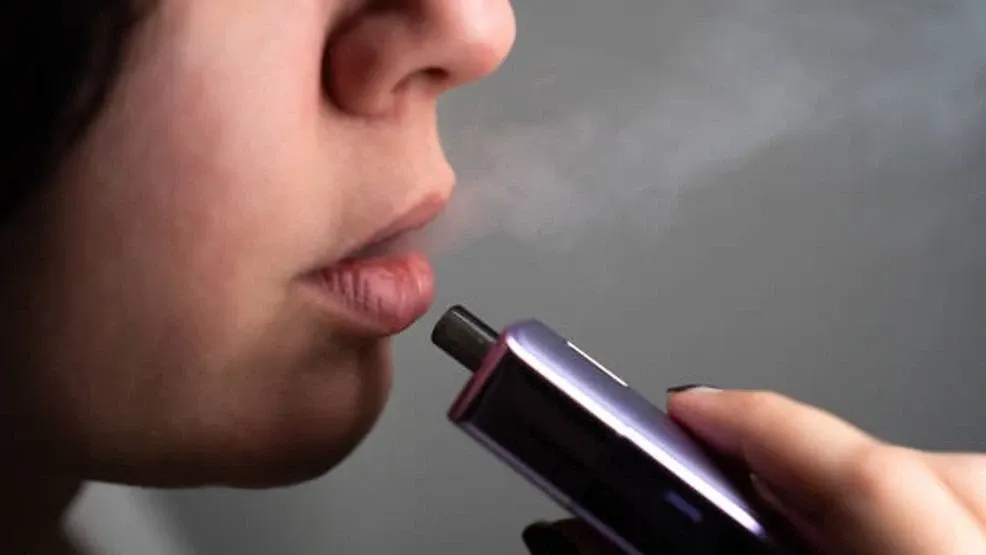
Alabama’s Senate Bill 9 would modernize the state’s indoor air quality laws by treating electronic nicotine delivery systems, including e-cigarettes and vape pens, the same as traditional tobacco smoking in indoor public spaces. Sponsored by Sen.

Key Takeaways


• Measure: Senate Bill 9 in Alabama

• Main change: vaping included within the definition of “smoking,” applying existing indoor restrictions to ENDS

• Naming: sponsored by Sen. Allen; would rename the act for Vivian Davis Figures; reviewed by the Healthcare Committee

• Coverage: government buildings, workplaces (5+ employees), restaurants, hospitals, schools, libraries, retail stores, malls, airports, public transportation

• Limits: no new penalties or enforcement powers; businesses update signage/policies; no regulation of sales, flavors, age limits or outdoor use


2Firsts, January 4, 2026 – According to ABC3340, Alabama’s Senate Bill 9 aims to modernize the state’s indoor air quality laws by treating electronic nicotine delivery systems, such as e-cigarettes and vape pens, the same as traditional tobacco smoking in indoor public spaces.


Sponsored by Sen. Allen and set for review by the Healthcare Committee, the bill would rename the Alabama Clean Indoor Air Act to the Vivian Davis Figures Clean Indoor Air Act, honoring the civil rights attorney and public health advocate.


The legislation expands the definition of “smoking” to include vaping, aligning with existing Alabama law definitions. This means vaping would be prohibited in the same indoor locations as smoking, including government buildings, workplaces with five or more employees, restaurants, hospitals, schools, libraries, retail stores, malls, airports and public transportation.


SB9 does not introduce new enforcement powers or penalties. Instead, it uses existing mechanisms to apply current rules equally to tobacco smoking and vaping. Businesses would need to update signage and policies to reflect the change, but no new compliance reporting requirements are introduced.


The bill addresses public health concerns about secondhand aerosol exposure and workplace air quality, and aligns Alabama with other states that regulate indoor vaping. It does not regulate vape sales, flavors, age limits, or outdoor use, and the effective date allows time for public awareness and policy updates.


Image source: ABC3340


We welcome news tips, article submissions, interview requests, or comments on this piece.

Please contact us at info@2firsts.com, or reach out to Alan Zhao, CEO of 2Firsts, on LinkedIn


Notice

1.  This article is intended solely for professional research purposes related to industry, technology, and policy. Any references to brands or products are made purely for objective description and do not constitute any form of endorsement, recommendation, or promotion by 2Firsts.

2.  The use of nicotine-containing products — including, but not limited to, cigarettes, e-cigarettes, nicotine pouchand heated tobacco products — carries significant health risks. Users are responsible for complying with all applicable laws and regulations in their respective jurisdictions.

3.  This article is not intended to serve as the basis for any investment decisions or financial advice. 2Firsts assumes no direct or indirect liability for any inaccuracies or errors in the content.

4.  Access to this article is strictly prohibited for individuals below the legal age in their jurisdiction.


Copyright


This article is either an original work created by 2Firsts or a reproduction from third-party sources with proper attribution. All copyrights and usage rights belong to 2Firsts or the original content provider. Unauthorized reproduction, distribution, or any other form of unauthorized use by any individual or organization is strictly prohibited. Violators will be held legally accountable.

For copyright-related inquiries, please contact: info@2firsts.com


AI Assistance Disclaimer


This article may have been enhanced using AI tools to improve translation and editorial efficiency. However, due to technical limitations, inaccuracies may occur. Readers are encouraged to refer to the cited sources for the most accurate information.

We welcome any corrections or feedback. Please contact us at: info@2firsts.com

OLAF and Customs Authorities From 30 Countries Seize More Than 94 Million Illicit Vape and Heated Tobacco Items
The European Anti-Fraud Office said on April 17 that its “JCO VAPE” operation, carried out together with customs authorities from 30 countries, successfully targeted the illicit trade in e-cigarettes and heated tobacco products. The operation, conducted from November 14 to December 15, 2025, resulted in seizures of more than 94 million items and more than 2,500 kg/l of tobacco products, e-cigarettes, devices, and related goods.
Apr.20 by 2FIRSTS.ai
From Heating Blades to Heating Paper? CTHB Patent Points to Microwave Heated Tobacco Design
According to China’s patent office records, a patent owned by China Tobacco Hubei Industrial Corporation (CTHB) for “cigarette paper and a cigarette for microwave heating” was granted on May 19, 2026. The patent describes cigarette paper with an outer wrapping layer, a heating layer, and an isolation heat-conducting layer, allowing it to absorb microwave energy, convert it to heat, and transfer that heat to the aerosol-generating substrate.
Jun.10
Argentina’s New Nicotine Rules Draw Cautious Optimism and Market Concerns, Local Tobacco Harm Reduction Advocate Says
Argentina’s new tobacco and nicotine framework marks a shift from prohibition toward registration, traceability and health surveillance. Argentine THR advocate Juan Facundo Teme told 2Firsts that adult consumers and parts of the local commercial sector are cautiously optimistic, but concerns remain over flavor limits, registration costs and market access. The policy’s implementation may determine whether Argentina can move informal sales into regulated channels.
May.11
Trump Reportedly Signs Off on Plan to Fire FDA Commissioner Marty Makary
According to The Wall Street Journal, people familiar with the matter said President Trump has signed off on a plan to fire FDA Commissioner Marty Makary, though the plan is not yet final and could change. The report said Makary’s tenure has included clashes over vaping, abortion and drug policy, and that some senior administration officials view him as struggling to manage the agency.
May.09 by 2FIRSTS.ai
Revised Tobacco Business Act to Take Effect in South Korea, Banning Online Sales of Liquid Vapes
South Korea’s Ministry of Health and Welfare will implement a partial revision of the Tobacco Business Act on April 24. The scope will expand from products made with “tobacco leaves” to all products manufactured with natural or synthetic nicotine. Synthetic nicotine liquid e-cigarettes, which had previously been treated as industrial products and were freely sold and advertised online, will from April 24 be subject to the same regulations as ordinary tobacco products.
Apr.23 by 2FIRSTS.ai
Bringing Tax and Insurance Into Nicotine Regulation: Insights From a Tobacco Harm-Reduction Report
A smoke-free nicotine policy report argues that tobacco harm reduction should move beyond product bans and health warnings into tax policy, insurance pricing and risk-based regulation. While some projections remain open to debate, the report highlights a wider challenge: nicotine products, technologies and consumer behavior have changed sharply over the past decade, and regulatory systems may need new tools to better align tobacco control with harm-reduction goals.
Jun.08