Altria Group Plans to Sell 35 Million Shares of AB InBev

Business by 2FIRSTS.ai
Mar.15.2024
Altria Group Plans to Sell 35 Million Shares of AB InBev
Altria Group plans to sell 35 million shares of Anheuser-Busch InBev for $2.26 billion, reducing its stake to 10%.

According to Reuters on March 14th, Altria Group plans to sell 35 million shares of Anheuser-Busch InBev. Altria currently owns approximately 197 million shares of Anheuser-Busch InBev, representing a 10% stake in the company.


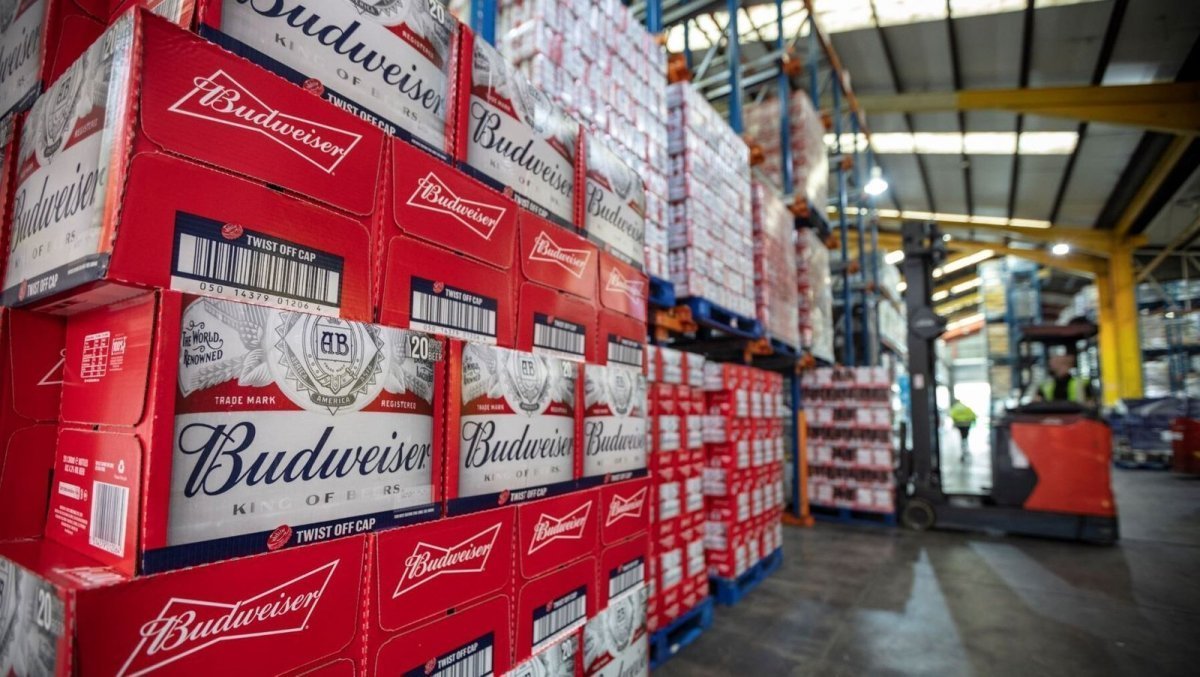
On the recent stock market closing day, the total value of this equity sale was $2.26 billion. Anheuser-Busch InBev plans to sell a portion of its American depositary shares of Budweiser in the United States, as well as conduct a private placement in the European Economic Area and the United Kingdom.


Altria Group announced that Anheuser-Busch InBev has agreed to repurchase $2 billion worth of common stock directly from Altria after the equity offering concludes.


Altria Group owns several tobacco brands including Marlboro and the vape company NJOY, while Anheuser-Busch InBev is one of the largest beer producers in the world, headquartered in Belgium. It was formed by the merger of Anheuser-Busch and InBev in 2008. The company operates multiple well-known beer brands such as Budweiser, Corona, Stella Artois, and Hoegaarden. Anheuser-Busch InBev holds a significant market share globally and continues to expand its business operations.


We welcome news tips, article submissions, interview requests, or comments on this piece.

Please contact us at info@2firsts.com, or reach out to Alan Zhao, CEO of 2Firsts, on LinkedIn


Notice

1.  This article is intended solely for professional research purposes related to industry, technology, and policy. Any references to brands or products are made purely for objective description and do not constitute any form of endorsement, recommendation, or promotion by 2Firsts.

2.  The use of nicotine-containing products — including, but not limited to, cigarettes, e-cigarettes, nicotine pouchand heated tobacco products — carries significant health risks. Users are responsible for complying with all applicable laws and regulations in their respective jurisdictions.

3.  This article is not intended to serve as the basis for any investment decisions or financial advice. 2Firsts assumes no direct or indirect liability for any inaccuracies or errors in the content.

4.  Access to this article is strictly prohibited for individuals below the legal age in their jurisdiction.


Copyright


This article is either an original work created by 2Firsts or a reproduction from third-party sources with proper attribution. All copyrights and usage rights belong to 2Firsts or the original content provider. Unauthorized reproduction, distribution, or any other form of unauthorized use by any individual or organization is strictly prohibited. Violators will be held legally accountable.

For copyright-related inquiries, please contact: info@2firsts.com


AI Assistance Disclaimer


This article may have been enhanced using AI tools to improve translation and editorial efficiency. However, due to technical limitations, inaccuracies may occur. Readers are encouraged to refer to the cited sources for the most accurate information.

We welcome any corrections or feedback. Please contact us at: info@2firsts.com

Special Report|Reynolds’ 337 Patent Case Ends, but a Harsher 337 Compliance Battle Now Targets the Entire Vape Supply Chain
The U.S. International Trade Commission (ITC) has terminated Investigation 337-TA-1410 after invalidating key vape patent claims asserted by R.J. Reynolds Vapor Company, removing the immediate risk of import bans for dozens of companies. However, a new case—337-TA-1486—has already opened a more consequential legal front, shifting the focus from patent disputes to regulatory compliance across the vape supply chain, including PACT Act reporting, tax compliance, and FDA marketing authorization.
BAT
Mar.11
Thailand’s National Health Commission Office Reviews Two Years of E-Cigarette Control Efforts and Plans Further Recommendations
Thailand’s National Health Commission Office and partner agencies held a public policy forum on March 13 to review results from the past two years of efforts to protect children and youth from e-cigarettes and to prepare recommendations for submission to the National Health Commission.
Mar.17 by 2FIRSTS.ai
BAT AGM Highlights Smokeless Strategy, AI Capability and Regulatory Engagement
BAT Chair Luc Jobin told shareholders at the company’s 2026 Annual General Meeting that BAT delivered on its plans in 2025 despite a challenging external environment, with the U.S. business returning to growth, smokeless consumers increasing by more than 15%, improved New Categories contribution, and GBP 6.3 billion returned to shareholders.
Apr.16 by 2FIRSTS.ai
Austria to Tighten Sales Rules for Nicotine Pouches and E-Liquids From April 1
Austria will introduce new sales rules for nicotine products from April 1, 2026. Under a reform of the tobacco law passed in December 2025, nicotine pouches will in future be sold only through tobacco shops, while e-liquids will be sold only through tobacco shops and licensed specialist stores. Other points of sale will no longer be permitted to sell these products.
Mar.30 by 2FIRSTS.ai
South Dakota Legislature Approves Two Nicotine Licensing Bills Pending Governor’s Decision
The South Dakota Legislature gave final approval on Tuesday to two proposals requiring state licenses for businesses that sell nicotine products. Under the bills, wholesalers, distributors and retailers of nicotine products in the state would need to be licensed by the government.
Mar.12 by 2FIRSTS.ai
U.S. Military Smoking Debate Spotlights E-Cigarettes and Nicotine Pouches as a “Bridge”
At a policy forum hosted by The Hill and sponsored by PMI US, U.S. defense health officials, lawmakers and industry representatives discussed tobacco use in the military and explored the potential role of smoke-free nicotine products — including e-cigarettes and nicotine pouches — as transitional tools to help service members reduce reliance on combustible cigarettes.
PMI
Mar.23