Analysis of China's E-cigarette Export Data to Russia in March 2024

Industry Insight by 2FIRSTS
Apr.28.2024
Analysis of China's E-cigarette Export Data to Russia in March 2024
China's e-cigarette exports to Russia in March 2024 reached $26.84 million, with a slight increase compared to last month.

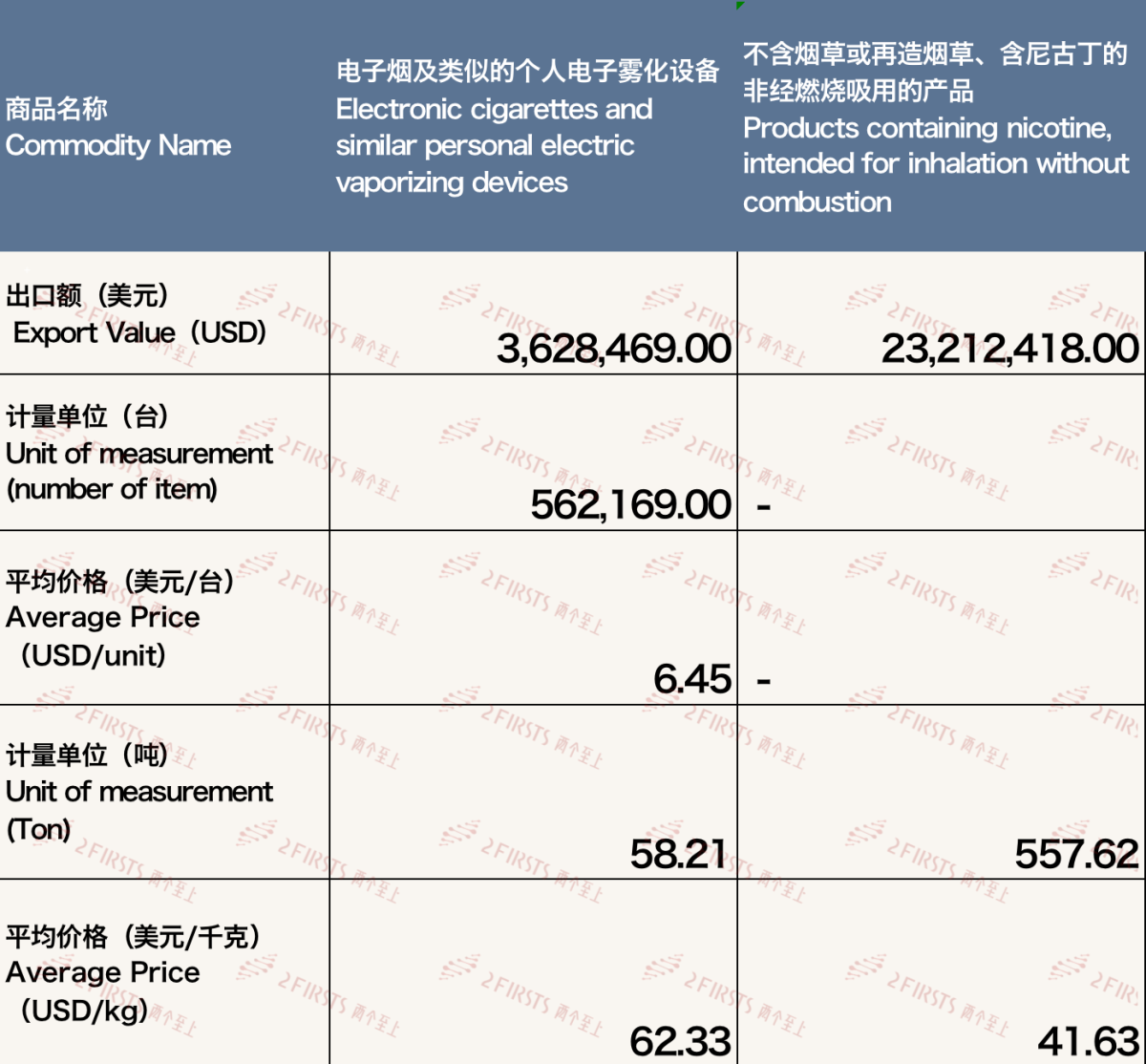
According to the updated trade data from the General Administration of Customs of the People's Republic of China, 2FIRSTS has compiled the e-cigarette export data from China to Russia in March 2024. Here are the specific details:
Analysis of China's E-cigarette Export Data to Russia in March 2024
Mapping: 2FIRSTS


The export volume amounted to approximately $26.84 million, with a 0.24% increase compared to the previous period and a 44.13% decrease compared to the same period last year.

Analysis of China's E-cigarette Export Data to Russia in March 2024
Mapping: 2FIRSTS


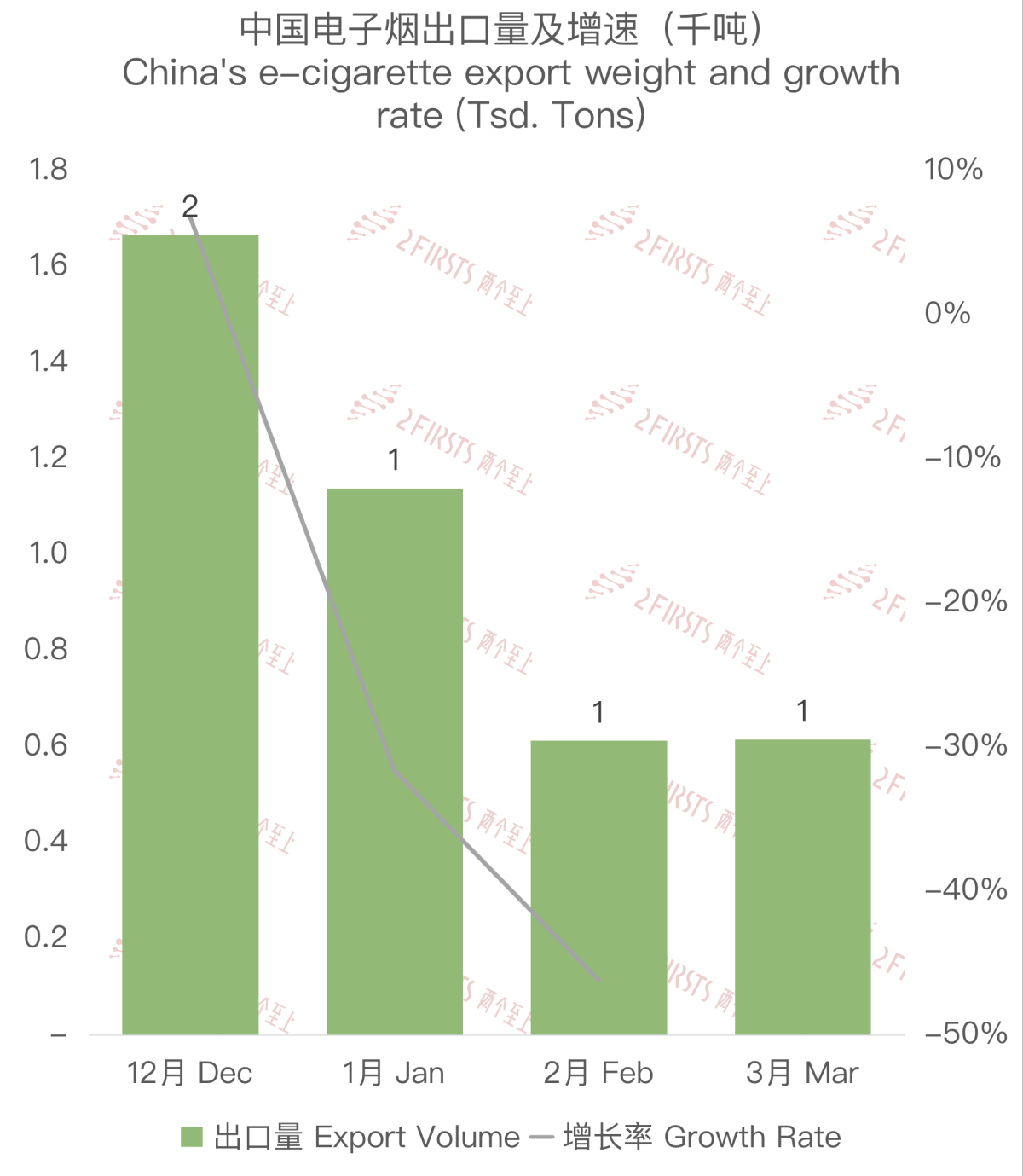
The export volume is approximately 615 tons, an increase of 0.43% compared to the previous period, and a decrease of 39.41% year-on-year.
Analysis of China's E-cigarette Export Data to Russia in March 2024
Mapping: 2FIRSTS


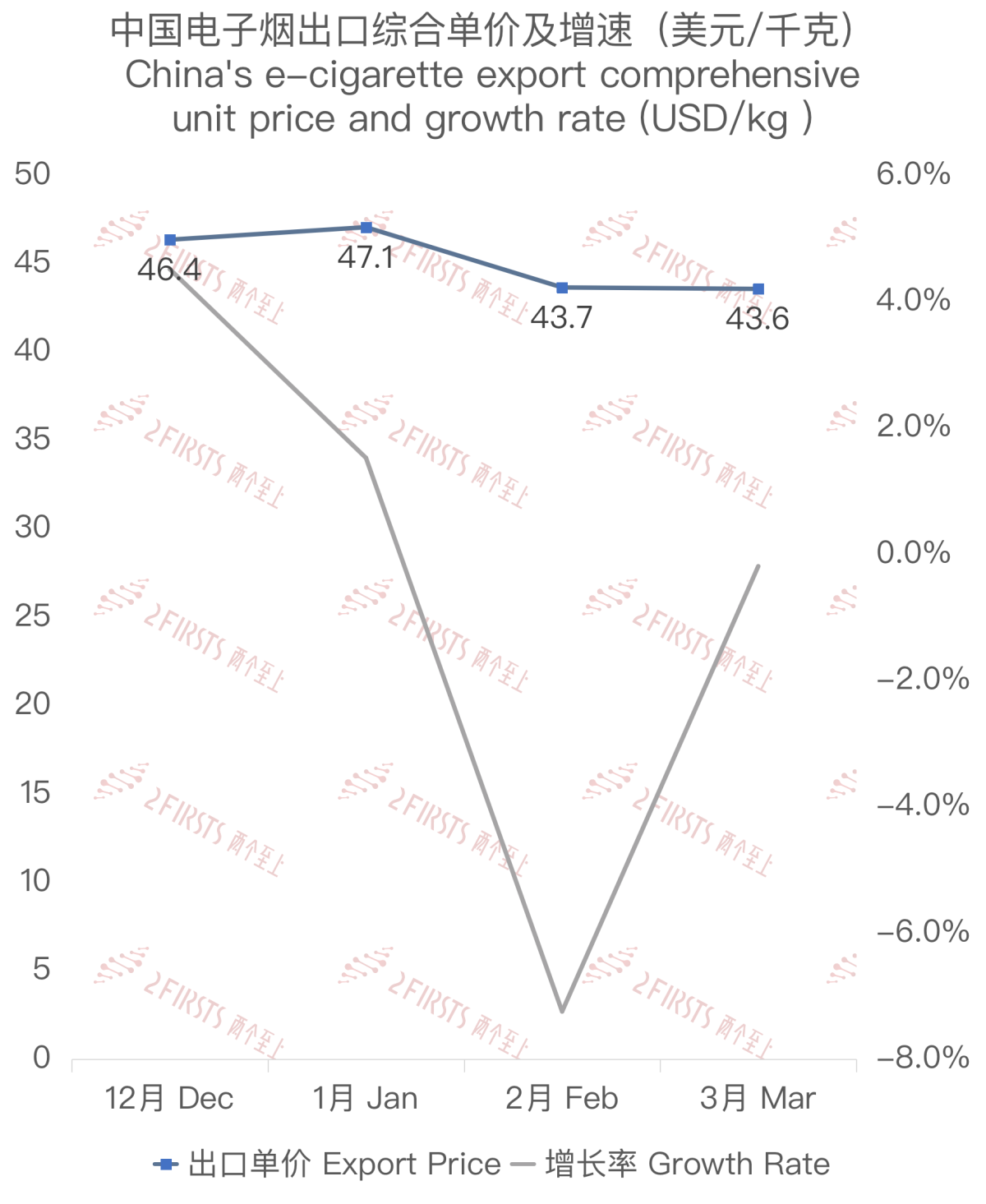
The average export unit price decreased by 0.19% month-on-month and 7.80% year-on-year to $43.58 per kilogram; the average price of "e-cigarettes and similar personal electronic vapor devices" was $6.45 per unit.
Analysis of China's E-cigarette Export Data to Russia in March 2024
Mapping: 2FIRSTS


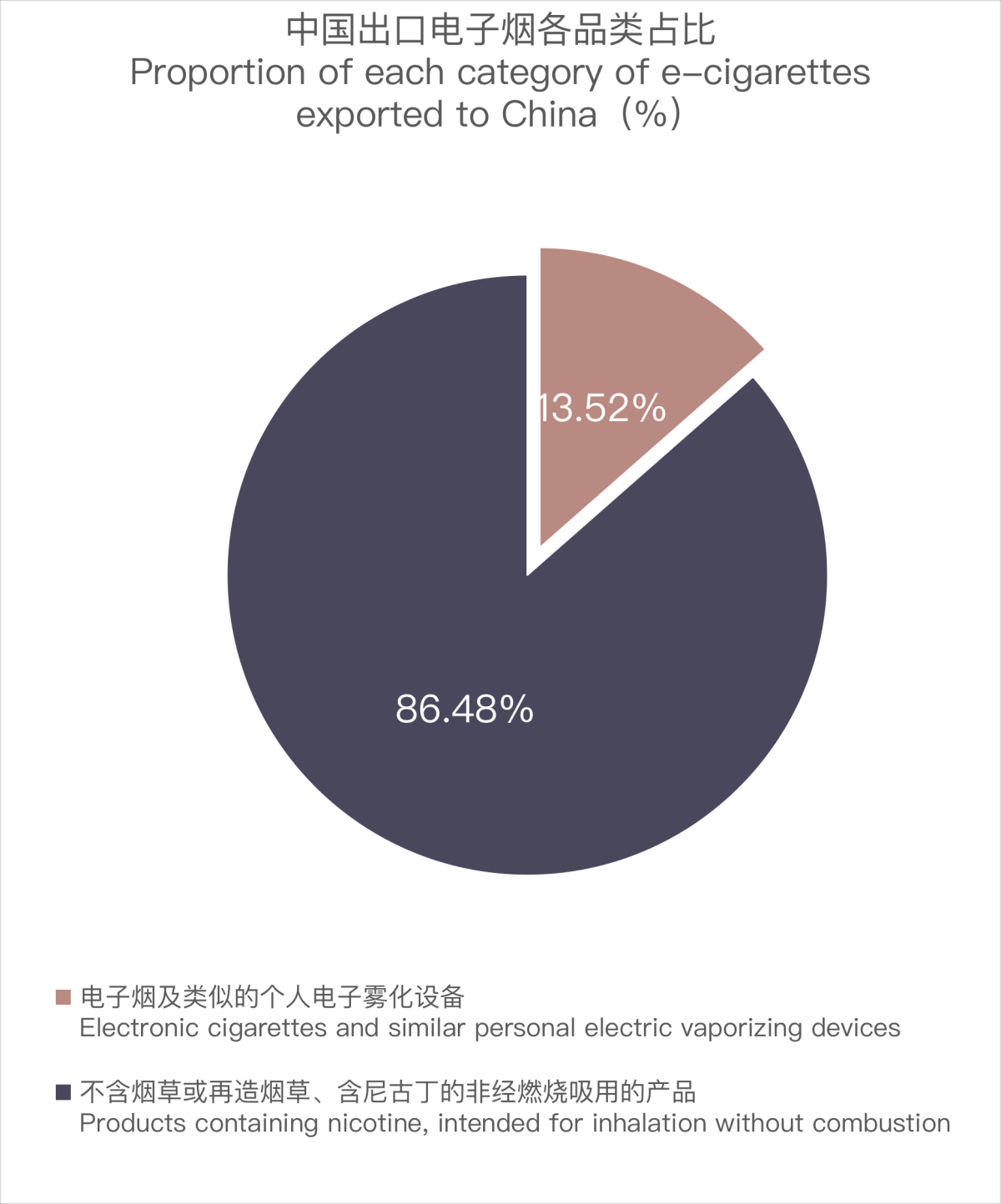
Among them, "e-cigarettes and similar personal electronic vaporizing devices" accounted for 13.52% of the export category, while "products not containing tobacco or manufactured tobacco, containing nicotine for non-combustible use" accounted for 86.48%.
Analysis of China's E-cigarette Export Data to Russia in March 2024
Mapping: 2FIRSTS


We welcome news tips, article submissions, interview requests, or comments on this piece.

Please contact us at info@2firsts.com, or reach out to Alan Zhao, CEO of 2Firsts, on LinkedIn


Notice

1.  This article is intended solely for professional research purposes related to industry, technology, and policy. Any references to brands or products are made purely for objective description and do not constitute any form of endorsement, recommendation, or promotion by 2Firsts.

2.  The use of nicotine-containing products — including, but not limited to, cigarettes, e-cigarettes, nicotine pouchand heated tobacco products — carries significant health risks. Users are responsible for complying with all applicable laws and regulations in their respective jurisdictions.

3.  This article is not intended to serve as the basis for any investment decisions or financial advice. 2Firsts assumes no direct or indirect liability for any inaccuracies or errors in the content.

4.  Access to this article is strictly prohibited for individuals below the legal age in their jurisdiction.


Copyright


This article is either an original work created by 2Firsts or a reproduction from third-party sources with proper attribution. All copyrights and usage rights belong to 2Firsts or the original content provider. Unauthorized reproduction, distribution, or any other form of unauthorized use by any individual or organization is strictly prohibited. Violators will be held legally accountable.

For copyright-related inquiries, please contact: info@2firsts.com


AI Assistance Disclaimer


This article may have been enhanced using AI tools to improve translation and editorial efficiency. However, due to technical limitations, inaccuracies may occur. Readers are encouraged to refer to the cited sources for the most accurate information.

We welcome any corrections or feedback. Please contact us at: info@2firsts.com

Michigan Senate Bill 786 Seeks to Ban Sale of Vapes With Metal Heating Elements
Michigan lawmakers introduced Senate Bill 786 on February 18, 2026, proposing to prohibit the sale or transfer of vapor products that contain heating elements unless those elements are made of or encased in glass or ceramic materials
Regulations
Feb.21
Nicotine Becomes Second-Largest Revenue Source for Couche-Tard in Fiscal 2025
Alimentation Couche-Tard reported that nicotine products accounted for 9% of total revenue in fiscal 2025, making it the company’s second-largest revenue source after fuel, according to its latest Business Strategy Update.
Market
Feb.19
Dalton, Georgia considers new licensing rules and caps for vape shops
Dalton, Georgia is weighing a proposal to require city licenses for vape shops, limit how many can operate within city limits, and impose a 1,000-foot buffer for new shops from schools and other community facilities. City officials say the ordinance would not eliminate existing vape shops outright, though some may be impacted if ownership changes or licenses expire.
Feb.05 by 2FIRSTS.ai
Special Report | Breeze and Glas Seek White House Review as FDA Advances Flavored ENDS Guidance
Breeze Smoke and Glas, Inc. have separately requested White House review under Executive Order 12866 as the FDA advances draft guidance on flavored ENDS (RIN 0910-ZC78). The guidance aims to clarify evidentiary standards under the statutory “appropriate for the protection of public health” (APPH) framework. The parallel filings highlight industry concern over regulatory predictability, particularly as Glas’s PMTA review status has recently drawn market attention.
Special Report
Mar.03
Small ENDS Manufacturers Press FDA on Abuse Liability Standards as Agency Defines Pharmacological Review Framework
At the third session of its PMTA roundtable, the FDA outlined its framework for assessing abuse liability in ENDS products, emphasizing the role of nicotine pharmacokinetics and product-specific data in APPH determinations. Small manufacturers questioned the high cost of clinical PK studies and the absence of defined numeric thresholds, while raising bridging strategies and PBPK modeling as potential alternatives.
Feb.11
Kazakhstan’s Almaty crackdown: Telegram channels used to sell banned vapes, six face charges
Authorities in Almaty have uncovered a large illegal vape distribution scheme, seizing and destroying more than 180,000 vapes. Prosecutors said potential revenue from sales could have exceeded 1 billion tenge. Suspects allegedly sold the banned products through Telegram channels and social media, storing inventory in warehouses and covert locations.
Feb.27 by 2FIRSTS.ai