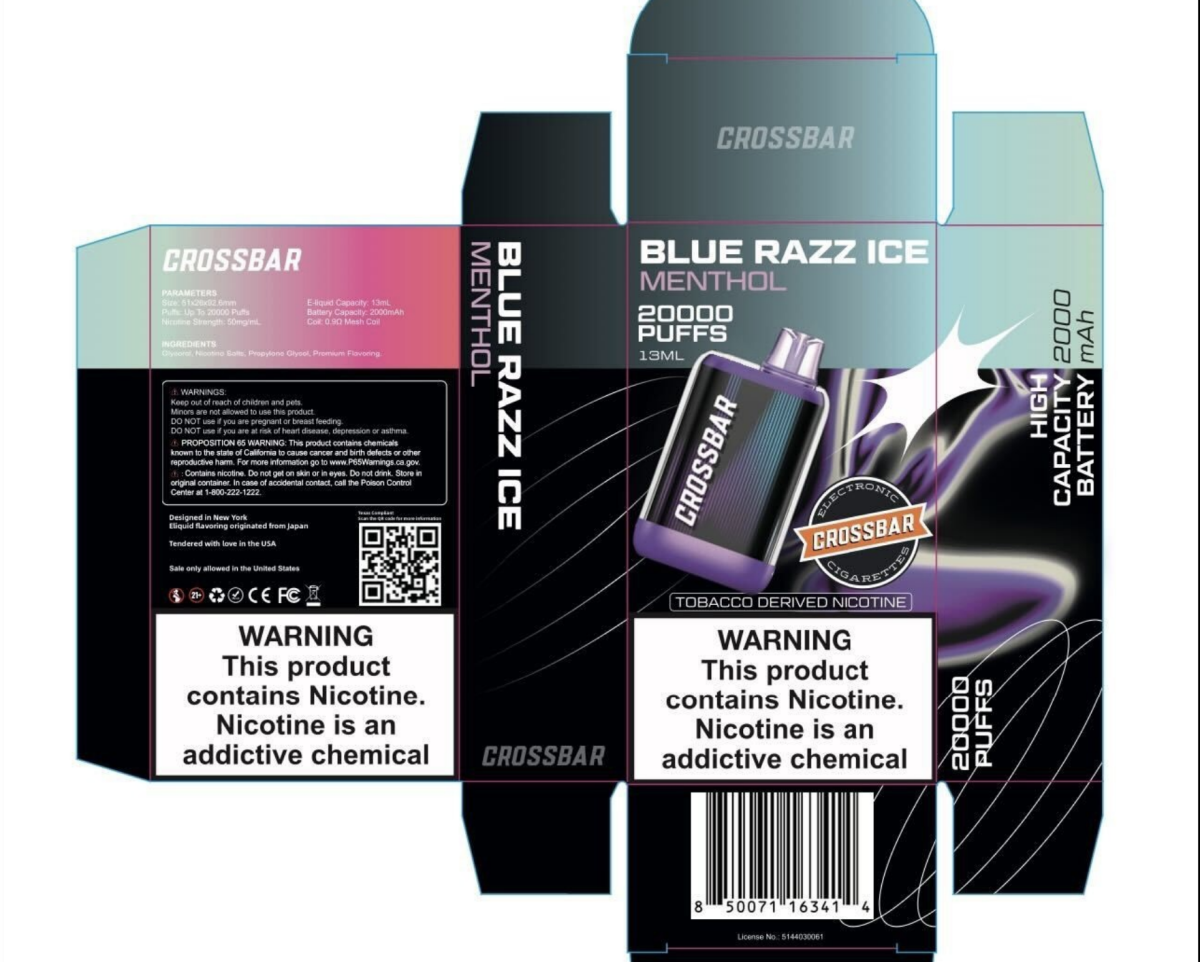
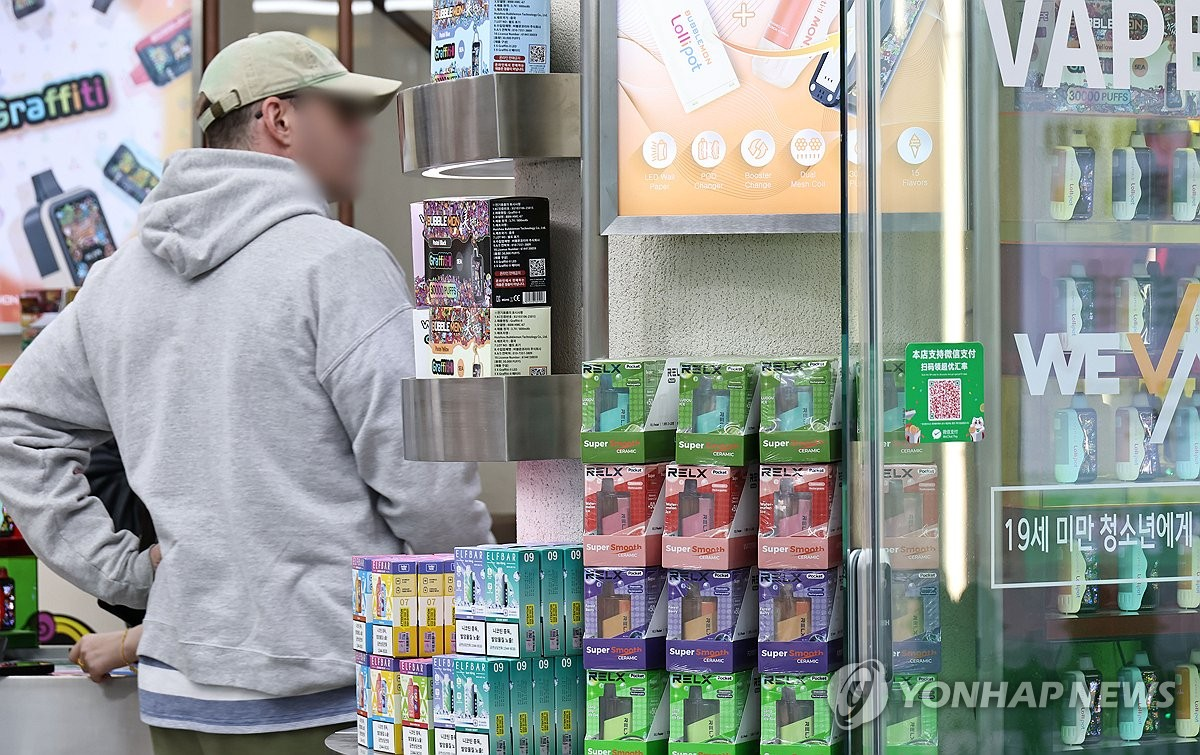
The federal government of Australia is set to crack down on the use of electronic cigarettes by minors, with regulatory bodies considering major reforms such as tightening import rules and enforcing stricter labeling laws.
As the use of electronic cigarettes among teenagers continues to rise, the Therapeutic Goods Administration (TGA) in Australia has announced public consultations in four areas. The first is to modify import and border control laws to prevent illegal products from entering Australia. The second is to conduct pre-market assessments of electronic cigarettes and create regulated sources for pharmacists and doctors to prescribe from. The third is to address attractive labels, advertisements, and flavorings that appeal to children. Finally, the TGA aims to strengthen the identification and regulation of nicotine-containing products.
Meanwhile, Health Minister Mark Butler has announced a ban on the use of menthol cigarettes as well as other flavored cigarettes and additives.
During an event commemorating the 10th anniversary of legislation prohibiting decorated packaging for tobacco products, Butler stated that children are "paying the price" for the government's failure to address the issue of e-cigarettes.
He said that children are buying and selling electronic cigarettes in school, and even parents are giving them e-cigarettes, mistakenly believing that these products are "safe.
As reported earlier by The Guardian Australia, these products often contain highly addictive nicotine, even those marketed as "nicotine-free," as well as other potentially harmful chemicals. This has resulted in children as young as 13 calling smoking cessation hotlines for help quitting and a sharp increase in cases of nicotine poisoning.
Public consultation regarding the reform of electronic cigarettes will be open until January 16th. In the same month, Butler will meet with health ministers from various states and territories to discuss how to coordinate responses to electronic cigarettes nationwide.
Butler stated, "As the usage of e-cigarettes continues to skyrocket, the previous government has fallen asleep at the wheel." "Our children are paying the price for this." Butler has announced 11 additional measures to address smoking issues, stating that graphic warnings on cigarette packaging are becoming less effective and new measures are needed.
Australia was once a world leader in tobacco control," he said, adding that these measures will "put Australia back in a world-leading position" and could face a fierce backlash from the tobacco industry.
Butler announced that new graphic warnings for tobacco products would be created and the government would consider requiring warnings such as "smoking kills" on every cigarette while also making cigarette colors less appealing.
He stated that appealing product names will also be addressed by inserting health promotion inserts in every cigarette package and updating advertising regulations to include electronic cigarette products.
Butler said that elementary and middle school principals continuously tell him that their biggest behavioral challenge at school is their colleagues vaping.
Dr. Anthea Rhodes, a pediatrician specializing in child development and behavior at the Royal Children's Hospital in Melbourne, says she often hears from 6th grade children that they are vaping, which worsens their other medical conditions.
She said that typically, they would exhibit symptoms of addiction.
Luo said that the issue seems to have risen after the pandemic, as home schooling and public health restrictions have limited access to and sharing of e-cigarettes amongst peers.
Of course, five years ago, this wasn't something I saw in my work with children," she said. "The first patient to express concerns about e-cigarettes to me was in 2019. But what we're seeing now is a rapidly growing industry that is producing and selling products targeted towards children and young people. E-cigarettes have now become normalized at an alarming speed.
Rhodes now routinely asks every young patient if they use electronic cigarettes because it is very common.
Some patients have told me that they wake up at night and reach for their electronic cigarettes," she said.
Other individuals have expressed concerns to me regarding the upcoming 11th and 12th grade exams, as they are unsure how they will pass without being able to use electronic cigarettes.
The regulations in Australia are fundamentally inadequate in addressing this issue.
The government's reform goal is to control Australia's smoking rate to below 10% by 2025 and to below 5% by 2030.
Dr. Nicole Higgins, the president of the Royal Australian College of General Practitioners, has stated that the government must work to dispel the myth that e-cigarettes are a risk-free and harmless version of smoking.
Electronic cigarettes are harmful products that can cause addiction and even death if consumed in certain amounts. Many young people are unaware of this fact. She welcomed the measures announced by Butler.
The companies selling these products are well aware of what they are doing. They are creating candy and vanilla flavors to appeal to young people, and these flavors are more enjoyable than traditional cigarettes.
Maurice Swanson, a tobacco control expert and member of Australia's Smoking and Health Committee, has commended Butler for taking an important step towards public health and tobacco control in Australia. However, Swanson called for an urgent ban on all imports of electronic cigarettes by Butler, regardless of whether they contain nicotine or not.
This regulation will authorize border security forces to confiscate all electronic cigarettes unless they are accompanied by a doctor's prescription as required by TGA regulations," he said.
2FIRSTS will continue to provide updates on this topic, which will be available on the '2FIRSTS APP'. Scan the QR code below to download the app.
Disclaimer
This article is provided solely for professional research, industry discussion, and informational purposes. Any references to brands, companies, products, technologies, or policies are made for factual reporting and analytical purposes only, and do not constitute endorsement, recommendation, promotion, or advertising by 2Firsts.
Nicotine-containing products, including but not limited to cigarettes, e-cigarettes, heated tobacco products, and nicotine pouches, carry significant health risks. Readers are responsible for complying with all applicable laws and regulations in their respective jurisdictions, including age restrictions and access limitations.
The information contained in this article should not be regarded as investment, legal, medical, regulatory, or commercial advice. While 2Firsts strives to ensure the accuracy and reliability of its content, it does not assume liability for any direct or indirect loss arising from errors, omissions, inaccuracies, or reliance on the information contained herein.
This article is not intended for individuals below the legal age for accessing tobacco or nicotine-related information in their jurisdiction.
Copyright Notice
This article is either original content produced by 2Firsts or content reproduced, translated, summarized, or adapted from third-party sources with attribution where applicable. The intellectual property rights of the original content remain with 2Firsts or the respective original rights holders.
No individual or organization may copy, reproduce, distribute, republish, modify, translate, or otherwise use this content without prior authorization. Any unauthorized use may result in legal action.
For copyright-related inquiries, corrections, or removal requests, please contact: info@2firsts.com.
AI-Assisted Translation and Editing Notice
Portions of this article may have been translated, edited, or reviewed with the assistance of artificial intelligence tools to improve efficiency and readability. Due to the limitations of AI-assisted translation and editing, discrepancies, omissions, or inaccuracies may exist when compared with the original source.
Where applicable, readers are advised to refer to the original source for the most complete and accurate information. If you identify any errors or believe that any content infringes upon your rights, please contact us at info@2firsts.com, and we will review and address the matter promptly.