Key Point:
- Regulatory Meeting: China’s State Tobacco Monopoly Administration (STMA) met Australian Border Force Deputy Commissioner Tim Fitzgerald in Beijing on March 9, continuing recent regulatory exchanges between the two countries.
- Border Seizures: ABF reported intercepting illicit tobacco and vaping products linked to about A$1 billion in evaded duties and seizing over 467 tonnes of contraband in Q2 FY2025/26.
- Policy Debate: Australia’s strict tobacco and vaping controls are internationally promoted but remain controversial domestically amid concerns over expanding illicit cigarette markets.
- International Cooperation: China has recently strengthened cross-border enforcement cooperation with multiple jurisdictions, including Australia, to combat illicit tobacco and e-cigarette trade.
2Firsts
BEIJING, March 9
Liu Sanjiang, deputy director of China’s State Tobacco Monopoly Administration (STMA), met on Monday in Beijing with Tim Fitzgerald, deputy commissioner of the Australian Border Force (ABF), according to information released by China National Tobacco Corporation’s media center.
Officials from the STMA’s General Office, Monopoly Supervision Department and E-cigarette Regulatory Department also attended the meeting.
Public records show that Australian enforcement officials have held several exchanges with China’s tobacco regulator in recent years.
On July 30, 2024, Wang Gongcheng, another STMA deputy director, met in Beijing with Erin Dale, Australia’s Illicit Tobacco and E-Cigarette Commissioner.
Earlier, on May 6, 2024, Zhang Jianmin, then director of the State Tobacco Monopoly Administration and general manager of China National Tobacco Corporation, also met with Fitzgerald during a separate visit to Beijing.
Chinese state media described the meetings as “friendly talks.”
Liu was appointed deputy director of the State Tobacco Monopoly Administration in November 2024. He previously served as director of the Quality Development Department at the State Administration for Market Regulation. According to the STMA website, his portfolio includes multiple departments, among them monopoly supervision, e-cigarette regulation, and policy and regulatory reform.

Australia’s Enforcement Structure
Within Australia’s system for combating illicit tobacco and vaping products, the Illicit Tobacco and E-Cigarette Commissioner (ITEC) and the Australian Border Force (ABF) perform distinct roles.
The ITEC position was established by the Australian government on July 1, 2024, with Erin Dale appointed as the first commissioner. The office coordinates nationwide efforts to tackle illicit tobacco and vaping markets, bringing together federal agencies, state authorities, health regulators such as the Therapeutic Goods Administration (TGA), and tax authorities.
The Australian Border Force, by contrast, is the country’s frontline border enforcement agency responsible for customs operations and border security. It conducts inspections at ports and airports, intercepts illicit tobacco shipments and leads operational actions against smuggling networks.
In practice, the commissioner’s office provides strategic coordination across government, while ABF carries out frontline enforcement at the border.
According to the website of Australia’s Department of Home Affairs, Tim Fitzgerald has served as Deputy Commissioner for National Operations at the Australian Border Force since November 2022. In this role, he oversees key operational areas including Maritime Border Command, Operation Sovereign Borders, and national customs compliance, enforcement and targeting operations, as well as coordination through the Australian Border Operations Centre.
Rising Enforcement Pressure
Australia has intensified enforcement against illicit tobacco and vaping products in recent years.
According to the Australian Border Force, authorities intercepted illegal tobacco and vaping products representing roughly A$1 billion (about US$680 million) in evaded duties during the second quarter of the 2025–26 financial year (Oct. 1–Dec. 31, 2025).
During the same period, more than 467 tonnes of illicit cigarettes and loose tobacco were seized.
Authorities have reported multiple smuggling cases involving international shipments. In one case, officers discovered 14.4 million cigarettes concealed in a shipping container arriving from China, while another shipment from Malaysia was found to contain 52,800 e-cigarettes misdeclared as sporting equipment.
Attempts to smuggle vaping liquids through air cargo and international mail have also increased, authorities said.
Australia’s Therapeutic Goods Administration (TGA) has designated vaping products as a priority enforcement category under its Compliance Principles 2026–2027, targeting unapproved products, online sales and misleading advertising.
Strict Policies and Market Debate
Australia maintains some of the world’s strictest tobacco control policies, including high tobacco excise taxes and tight restrictions on retail access to nicotine vaping products.
At the WHO Framework Convention on Tobacco Control (FCTC) COP11 conference in 2025, Australian officials promoted the country’s tobacco control model through several workshops covering youth vaping prevention, Indigenous health initiatives and warning-label design.
However, the policy approach has also generated debate domestically.
Some industry estimates suggest illegal cigarette consumption in Australia has risen significantly in recent years, increasing from roughly 3.1 billion sticks in 2022 to about 6.6 billion in 2025, with projections of 8 billion in 2026.
Critics argue that rising tobacco taxes and strict limits on vaping products may contribute to the expansion of illicit markets, while public-health advocates maintain that strict regulation remains essential to reducing smoking rates and protecting public health.
China Expands International Cooperation on Tobacco Enforcement
China has also strengthened international cooperation in combating tobacco-related illegal activities.
In December 2025, the State Council issued guidelines calling for enhanced law-enforcement cooperation with foreign governments and integrating anti-illicit-tobacco efforts into diplomatic and judicial cooperation frameworks.
The same month, China’s tobacco regulator reported exchanges with counterparts in Australia, the Philippines, Thailand and the European Union aimed at exploring bilateral and multilateral dialogue mechanisms to combat illicit trade and strengthen regulatory coordination.
Authorities said joint enforcement actions involving customs and police agencies have led to multiple cases targeting cross-border e-cigarette smuggling networks.
For the latest developments in China’s tobacco market, readers can follow 2Firsts.
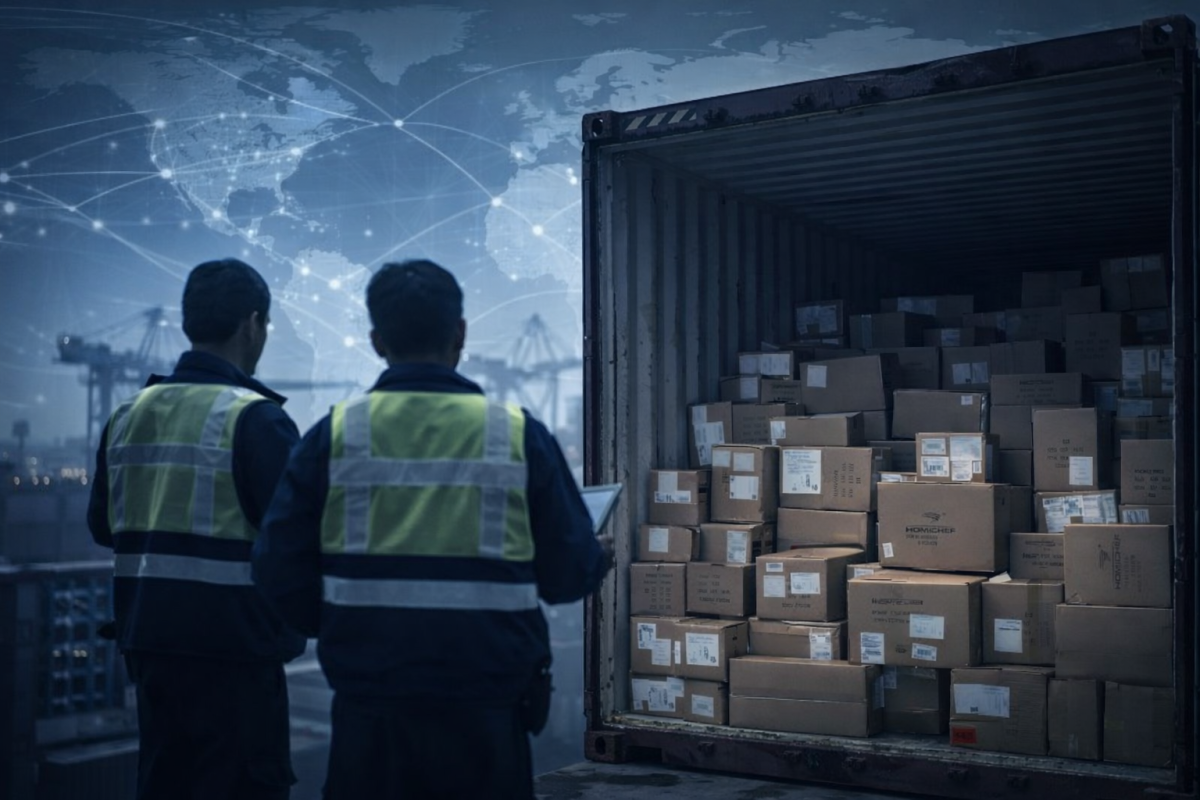
Cover image generated by AI.
Related articles: