British American Tobacco (BAT) is seeking to restructure its business opportunities in South Africa following a decline in legal cigarette sales, which may affect 200 job positions.
This cigarette manufacturer attributes some of its challenges to the five-month ban on cigarette sales implemented by South Africa in 2020. The measure was put in place to help prevent the spread of Covid-19 but was later declared unconstitutional by the country's highest court.
However, according to BAT, by that time the damage had already been done.
The 2020 tobacco sales ban has led to an explosive growth in the black market. Even after the ban was lifted, this trend has continued," stated the company.
In 2019, BAT South Africa employed approximately 1,800 permanent staff for its operations in South Africa. However, the company has recently announced that it has had to lay off over 30% of its workforce since 2020.
The company stated that during the same period, as the illegal market continued to grow rapidly, their cigarette sales declined by approximately 40%.
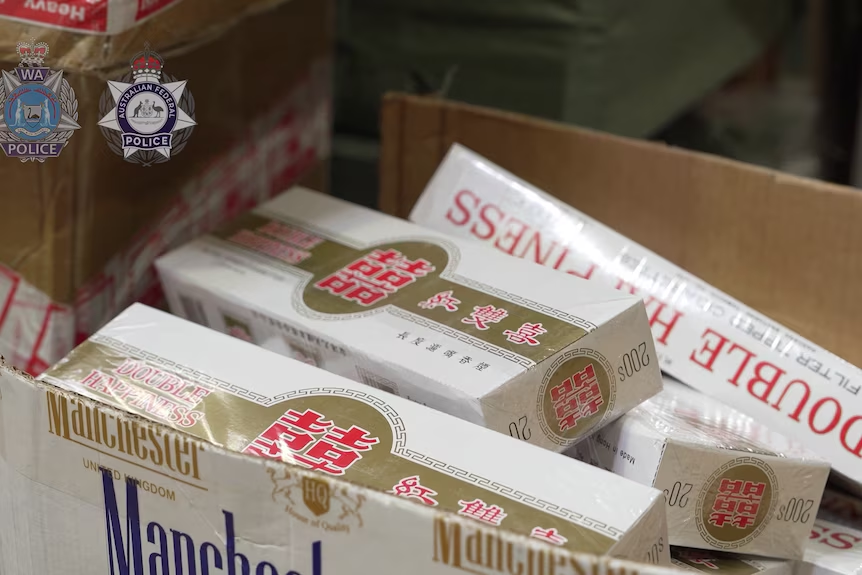
According to independent research, BAT South Africa estimates that illegal cigarette trade accounts for 70% of the total volume of the cigarette market in South Africa. This illegal trade seriously affects the sustainability of the legal tobacco industry and is a source of funding for criminal organizations in South Africa," BAT stated.
The company is calling for stronger law enforcement and the implementation of new policies to combat illegal trade.
BAT South Africa has shown appreciation for the efforts of the South African Revenue Service (SARS) and law enforcement agencies in cracking down on illegal cigarette markets, but it is also calling for stronger action to be taken. The current measures have not been effective in curbing the growth of the illegal cigarette industry.
The SARS has announced a significant new policy, but it is now time for manufacturers' policies to be reviewed for compliance. To support law enforcement agencies and improve their efficiency, and to help consumers differentiate illegal and legal market prices, a minimum retail price policy needs to be established.
Illegal trade has cost South Africa billions of rand in much-needed tax revenue, with clear impacts now seen on legal businesses and their operations, as well as unfortunate consequences for those relying on the value chain for their livelihoods. Failure to enforce the country's laws makes it impossible for legal businesses to compete.
BAT did not provide specific details on how they plan to restructure their business or which job positions may be eliminated.
Disclaimer
This article is provided solely for professional research, industry discussion, and informational purposes. Any references to brands, companies, products, technologies, or policies are made for factual reporting and analytical purposes only, and do not constitute endorsement, recommendation, promotion, or advertising by 2Firsts.
Nicotine-containing products, including but not limited to cigarettes, e-cigarettes, heated tobacco products, and nicotine pouches, carry significant health risks. Readers are responsible for complying with all applicable laws and regulations in their respective jurisdictions, including age restrictions and access limitations.
The information contained in this article should not be regarded as investment, legal, medical, regulatory, or commercial advice. While 2Firsts strives to ensure the accuracy and reliability of its content, it does not assume liability for any direct or indirect loss arising from errors, omissions, inaccuracies, or reliance on the information contained herein.
This article is not intended for individuals below the legal age for accessing tobacco or nicotine-related information in their jurisdiction.
Copyright Notice
This article is either original content produced by 2Firsts or content reproduced, translated, summarized, or adapted from third-party sources with attribution where applicable. The intellectual property rights of the original content remain with 2Firsts or the respective original rights holders.
No individual or organization may copy, reproduce, distribute, republish, modify, translate, or otherwise use this content without prior authorization. Any unauthorized use may result in legal action.
For copyright-related inquiries, corrections, or removal requests, please contact: info@2firsts.com.
AI-Assisted Translation and Editing Notice
Portions of this article may have been translated, edited, or reviewed with the assistance of artificial intelligence tools to improve efficiency and readability. Due to the limitations of AI-assisted translation and editing, discrepancies, omissions, or inaccuracies may exist when compared with the original source.
Where applicable, readers are advised to refer to the original source for the most complete and accurate information. If you identify any errors or believe that any content infringes upon your rights, please contact us at info@2firsts.com, and we will review and address the matter promptly.