China's E-cigarette Export Data to Malaysia in May 2024

Industry Insight by 2FIRSTS
Jul.03.2024
China's E-cigarette Export Data to Malaysia in May 2024
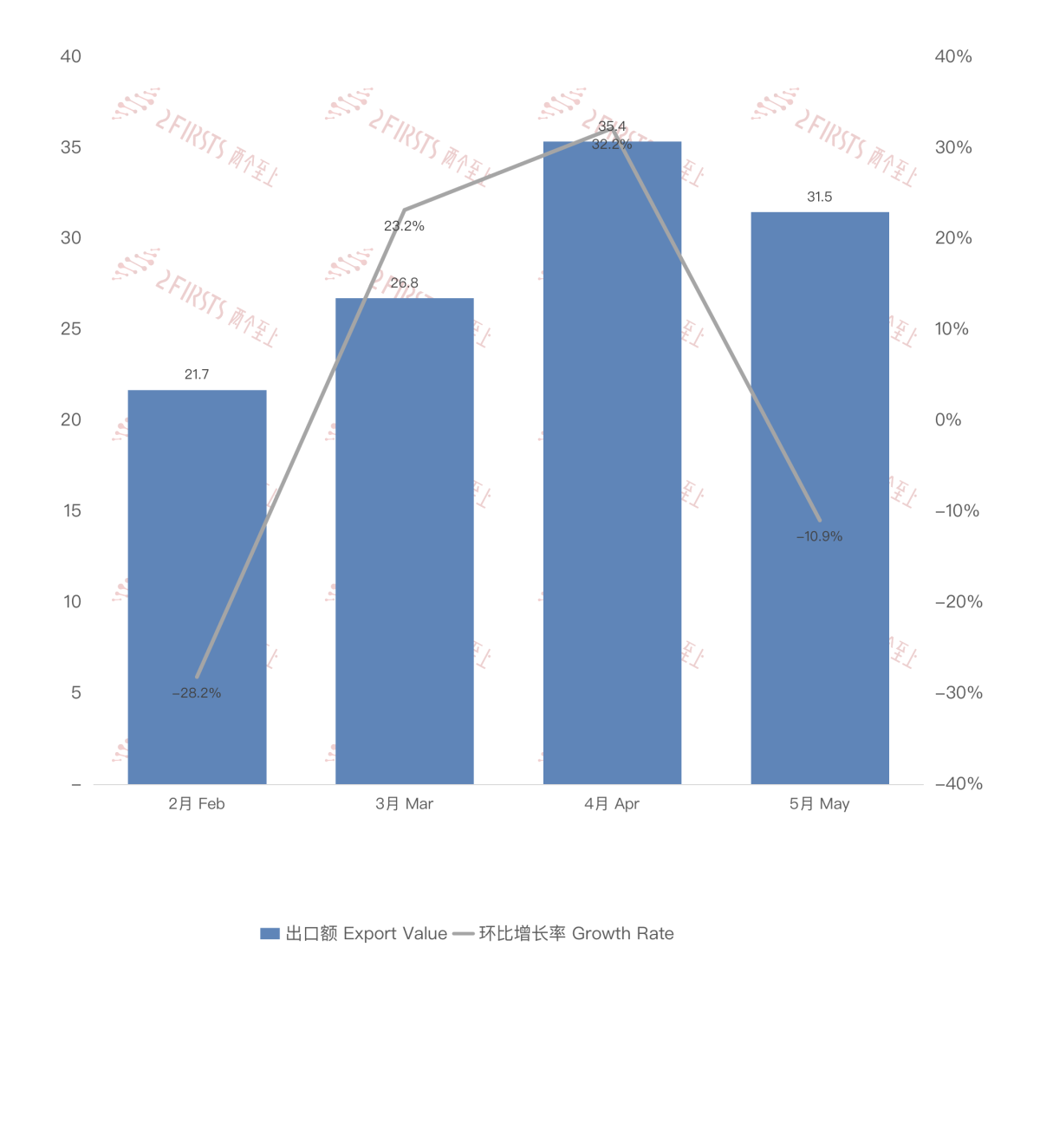
China's e-cigarette exports to Malaysia in May 2024 fell by 10.9% monthly but rose 3.4% yearly.

According to the updated trade data from the General Administration of Customs, 2FIRSTS has compiled the e-cigarette export data from China to Malaysia in May 2024.
China's E-cigarette Export Data to Malaysia in May 2024
Mapping: 2FIRSTS


The following is as follows:

China's E-cigarette Export Data to Malaysia in May 2024
Mapping: 2FIRSTS


The export volume was approximately $31.5 million, a month-on-month decrease of 10.9% and a year-on-year increase of 3.4%.

China's E-cigarette Export Data to Malaysia in May 2024
Mapping: 2FIRSTS


The export volume was approximately 703 tons, with a month-on-month decrease of 10.51% and a year-on-year decrease of 6.47%.
China's E-cigarette Export Data to Malaysia in May 2024
Mapping: 2FIRSTS


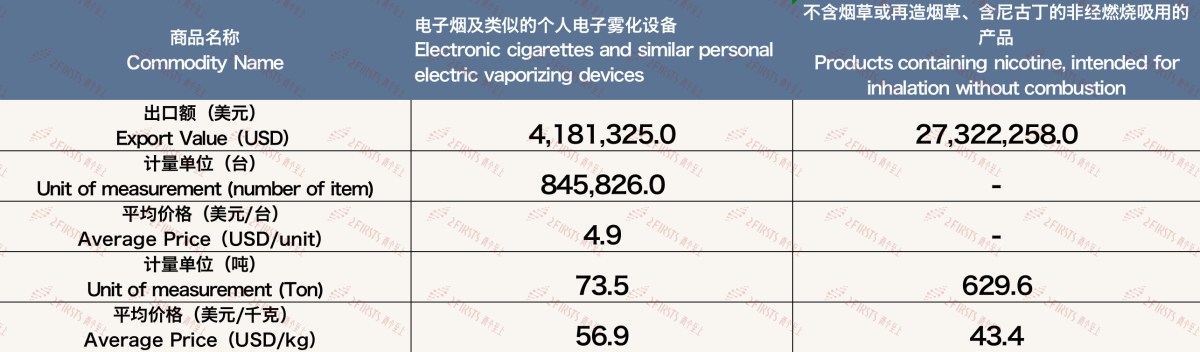
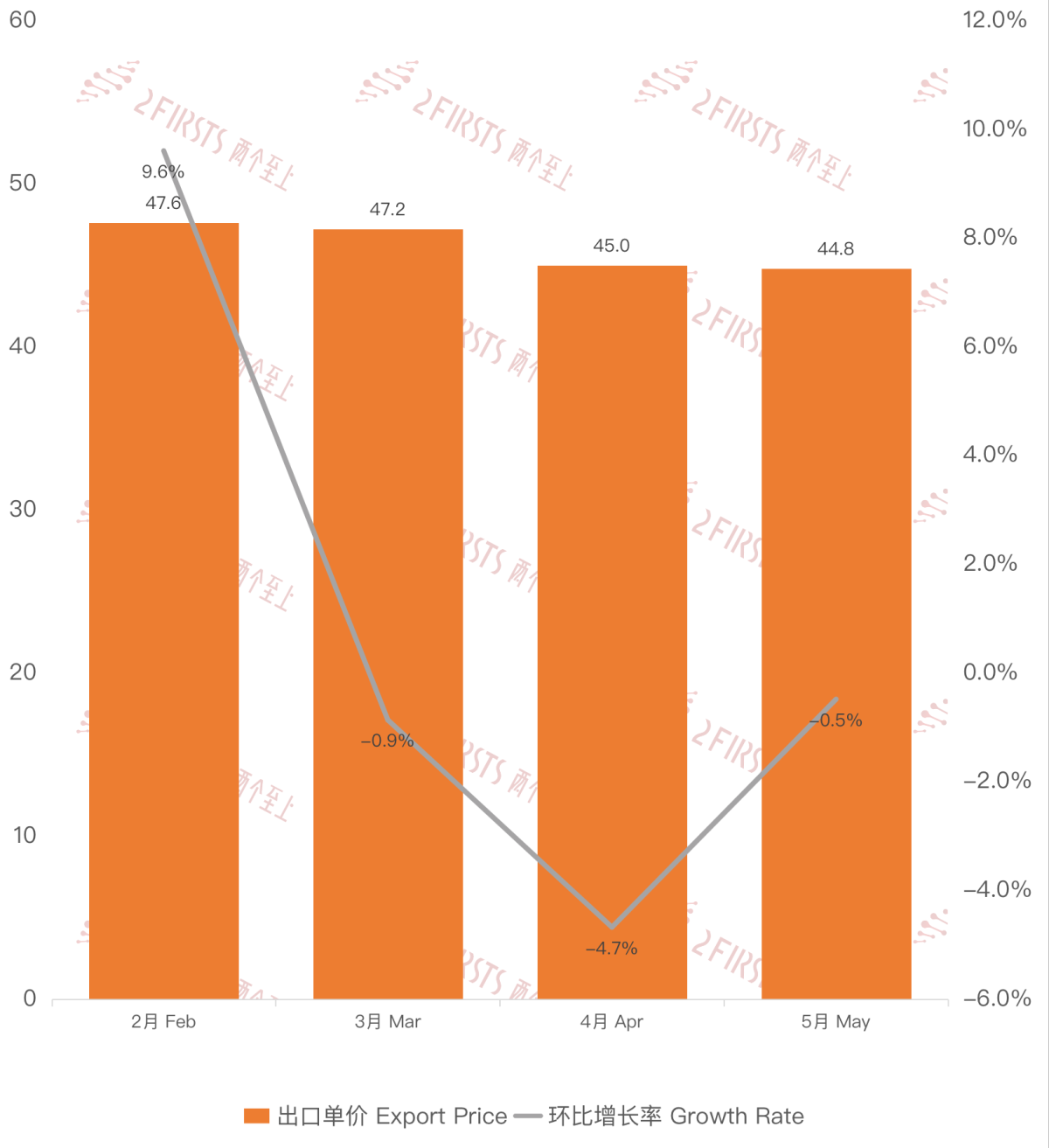
The export unit price is $44.81 per kilogram, decreased by 0.5% from the previous period, and increased by 10.5% year-on-year; the average price for "e-cigarettes and similar personal electronic vaporizers" is $4.9 per unit.
China's E-cigarette Export Data to Malaysia in May 2024
Mapping: 2FIRSTS


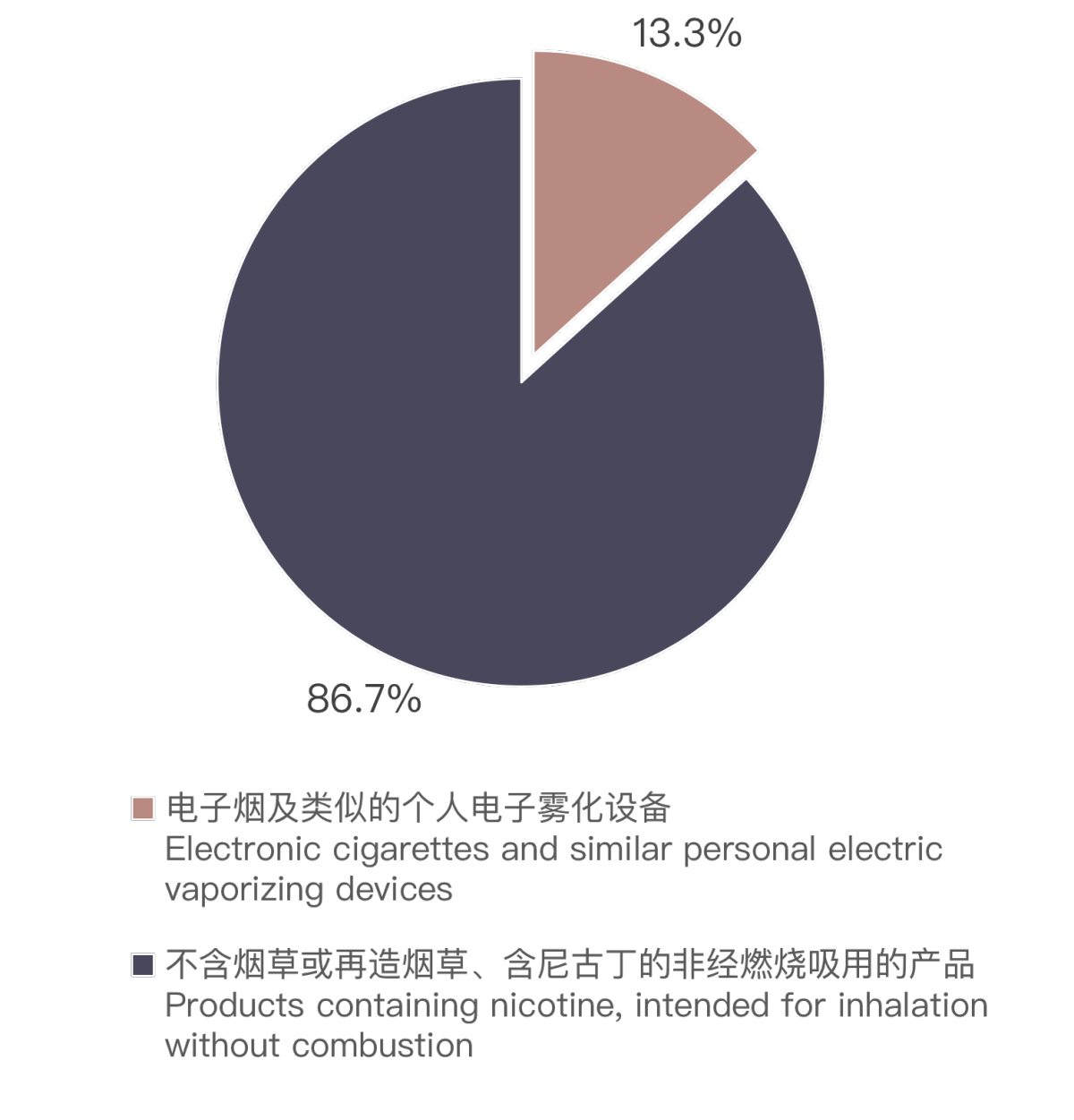
Among them, "e-cigarettes and similar personal electronic vaporizing devices" accounted for 13.3% of export categories, while "products not containing tobacco or reconstituted tobacco, containing nicotine for non-combustible consumption" accounted for 86.7%.


We welcome news tips, article submissions, interview requests, or comments on this piece.

Please contact us at info@2firsts.com, or reach out to Alan Zhao, CEO of 2Firsts, on LinkedIn


Notice

1.  This article is intended solely for professional research purposes related to industry, technology, and policy. Any references to brands or products are made purely for objective description and do not constitute any form of endorsement, recommendation, or promotion by 2Firsts.

2.  The use of nicotine-containing products — including, but not limited to, cigarettes, e-cigarettes, nicotine pouchand heated tobacco products — carries significant health risks. Users are responsible for complying with all applicable laws and regulations in their respective jurisdictions.

3.  This article is not intended to serve as the basis for any investment decisions or financial advice. 2Firsts assumes no direct or indirect liability for any inaccuracies or errors in the content.

4.  Access to this article is strictly prohibited for individuals below the legal age in their jurisdiction.


Copyright


This article is either an original work created by 2Firsts or a reproduction from third-party sources with proper attribution. All copyrights and usage rights belong to 2Firsts or the original content provider. Unauthorized reproduction, distribution, or any other form of unauthorized use by any individual or organization is strictly prohibited. Violators will be held legally accountable.

For copyright-related inquiries, please contact: info@2firsts.com


AI Assistance Disclaimer


This article may have been enhanced using AI tools to improve translation and editorial efficiency. However, due to technical limitations, inaccuracies may occur. Readers are encouraged to refer to the cited sources for the most accurate information.

We welcome any corrections or feedback. Please contact us at: info@2firsts.com

Bringing Tax and Insurance Into Nicotine Regulation: Insights From a Tobacco Harm-Reduction Report
A smoke-free nicotine policy report argues that tobacco harm reduction should move beyond product bans and health warnings into tax policy, insurance pricing and risk-based regulation. While some projections remain open to debate, the report highlights a wider challenge: nicotine products, technologies and consumer behavior have changed sharply over the past decade, and regulatory systems may need new tools to better align tobacco control with harm-reduction goals.
Jun.08
Argentina’s New Nicotine Rules Draw Cautious Optimism and Market Concerns, Local Tobacco Harm Reduction Advocate Says
Argentina’s new tobacco and nicotine framework marks a shift from prohibition toward registration, traceability and health surveillance. Argentine THR advocate Juan Facundo Teme told 2Firsts that adult consumers and parts of the local commercial sector are cautiously optimistic, but concerns remain over flavor limits, registration costs and market access. The policy’s implementation may determine whether Argentina can move informal sales into regulated channels.
May.11
Altria Reports Q1 2026 Net Revenues of $5.43 Billion and 7.3% Growth in Adjusted Diluted EPS
Altria Group reported its first-quarter 2026 results on April 30. Net revenues were $5.43 billion, up 3.2% year on year, while revenues net of excise taxes were $4.76 billion, up 5.3%. Reported diluted EPS was $1.30, up more than 100%, and adjusted diluted EPS was $1.32, up 7.3%.
May.06 by 2FIRSTS.ai
Product|PMI Expands High-Strength Nicotine Pouch Portfolio With Zyn 16.5mg
According to Better Retailing, Philip Morris International (PMI) has launched Zyn Menthol Ice 16.5mg in the UK, marking the highest-strength nicotine pouch in the Zyn range to date. The eucalyptus- and menthol-flavored product is now available through PMI Open and will begin rolling out to wholesale channels from the end of May.
PMI
May.28
Nicotine Pouches Lead U.S. Tobacco Growth as Vape Sales Decline
New convenience store industry data show nicotine pouches have become the primary growth driver in the tobacco category, with oral nicotine sales rising nearly 30% over the past year while vape sales declined.
Business
Jun.05
 NYT: Reynolds American Donated $5 Million Before FDA Vape Policy Shift
NYT: Reynolds American Donated $5 Million Before FDA Vape Policy Shift
According to The New York Times, Reynolds American donated $5 million to a Trump-backed super PAC shortly before the FDA introduced a new policy that could benefit major tobacco companies seeking to sell flavored vaping products.
News
May.21