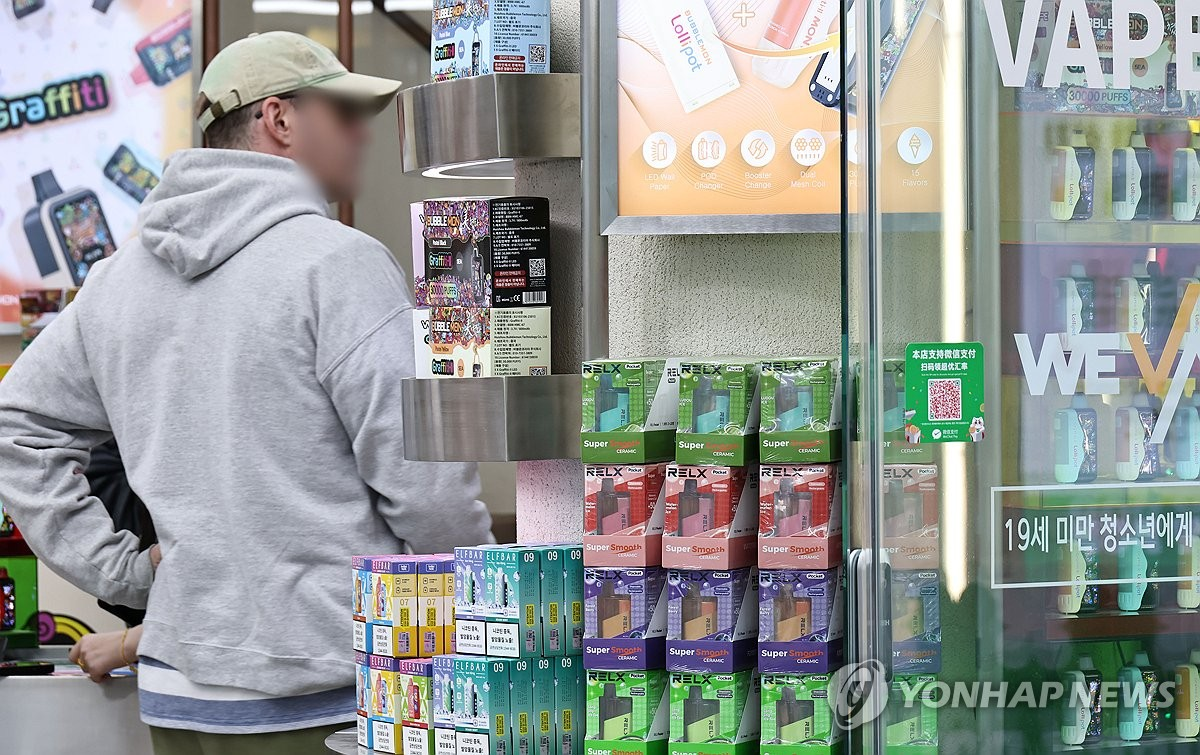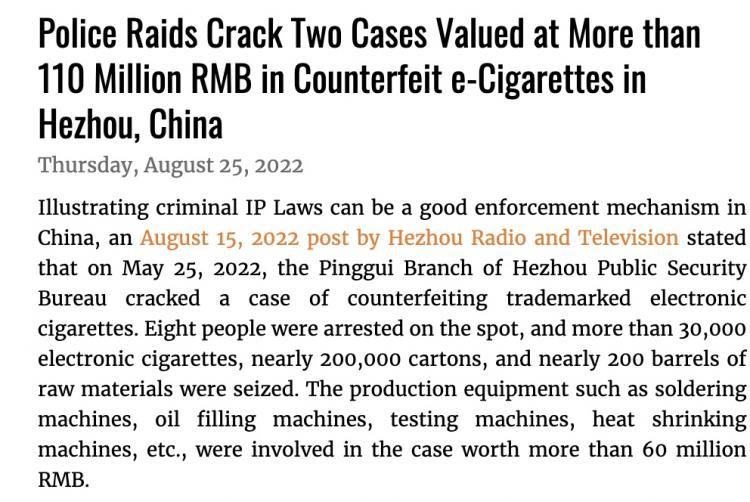
On August 15, 2022, a post by Hezhou Radio and Television Station reported on a fake trademark electronic cigarette case that was cracked by the Pinggui branch of the Hezhou City Public Security Bureau on May 25, 2022. Eight individuals were caught at the scene, and more than 30,000 electronic cigarettes, nearly 200,000 boxes, and nearly 200 barrels of raw materials were confiscated. The case involved manufacturing equipment including soldering machines, oil injection machines, testing machines, and heat-shrink machines, with a total value surpassing 60 million yuan.
On August 8th, 2022, the police dismantled another counterfeit electronic cigarette manufacturing site, seizing 18,700 units of electronic cigarettes from three brands - ESCO BARS, ELFBAR, and others - that had falsified registered trademarks, as well as a batch of production equipment and raw materials, and arrested five individuals. The confiscated goods were worth 3.15 million yuan, with the case involving more than 50 million yuan.
Statement
This article is compiled from third-party information and is intended for industry exchange and learning purposes only.
This article does not represent the viewpoint of 2FIRSTS and 2FIRSTS cannot confirm the truthfulness or accuracy of its content. The compilation of this article is solely for the purpose of industry exchange and research.
Due to limitations in the compiling ability, the translation of this article may not fully express the original text. Please refer to the original text for accuracy.
2FIRSTS maintains complete alignment with the Chinese government on any domestic, Hong Kong, Macau, Taiwan, or foreign-related statements and positions.
Copyright of the compiled information belongs to the original media and authors. If there is any infringement, please contact us for deletion.
Disclaimer
This article is provided solely for professional research, industry discussion, and informational purposes. Any references to brands, companies, products, technologies, or policies are made for factual reporting and analytical purposes only, and do not constitute endorsement, recommendation, promotion, or advertising by 2Firsts.
Nicotine-containing products, including but not limited to cigarettes, e-cigarettes, heated tobacco products, and nicotine pouches, carry significant health risks. Readers are responsible for complying with all applicable laws and regulations in their respective jurisdictions, including age restrictions and access limitations.
The information contained in this article should not be regarded as investment, legal, medical, regulatory, or commercial advice. While 2Firsts strives to ensure the accuracy and reliability of its content, it does not assume liability for any direct or indirect loss arising from errors, omissions, inaccuracies, or reliance on the information contained herein.
This article is not intended for individuals below the legal age for accessing tobacco or nicotine-related information in their jurisdiction.
Copyright Notice
This article is either original content produced by 2Firsts or content reproduced, translated, summarized, or adapted from third-party sources with attribution where applicable. The intellectual property rights of the original content remain with 2Firsts or the respective original rights holders.
No individual or organization may copy, reproduce, distribute, republish, modify, translate, or otherwise use this content without prior authorization. Any unauthorized use may result in legal action.
For copyright-related inquiries, corrections, or removal requests, please contact: info@2firsts.com.
AI-Assisted Translation and Editing Notice
Portions of this article may have been translated, edited, or reviewed with the assistance of artificial intelligence tools to improve efficiency and readability. Due to the limitations of AI-assisted translation and editing, discrepancies, omissions, or inaccuracies may exist when compared with the original source.
Where applicable, readers are advised to refer to the original source for the most complete and accurate information. If you identify any errors or believe that any content infringes upon your rights, please contact us at info@2firsts.com, and we will review and address the matter promptly.