According to a recent report by the European magazine, the Spanish Ministry of Health is considering a proposal to expand smoke-free zones and ban the use of e-cigarettes as part of an anti-tobacco initiative.
The Ministry of Health will expand the scope of smoke-free areas as a key initiative, which will include terraces, beaches, as well as vehicles with minors and pregnant women. This measure will encompass all tobacco products, including e-cigarettes.
The Minister of Health, Mónica García, and the Secretary of State for Health, Javier Padilla, stated during a press conference:
We must reexamine this plan, as it is the only measure that can offer a longer lifespan and improved quality of life for the population, specifically by reducing smoking.
Garcia cited the draft of the "Comprehensive Smoking Prevention and Control Plan 2021-2025" formulated by her department in December 2019, which was ultimately finalized with input from the Scientific Association and the National Smoking Prevention Committee (CNPT). The plan aims to expand smoke-free areas, such as vehicles, beaches, or terraces where minors and pregnant women are present, as well as address new challenges posed by e-cigarette products.
Reducing the use of smoking and e-cigarettes has emerged as a key focus, confirmed Garcia. During this legislative period, the anti-tobacco initiative will primarily revolve around several laws aiming to decrease tobacco consumption, particularly among minors.
The Ministry of Health is set to regulate the use of e-cigarette devices, which former Health Minister José Miñones recognized as not being the smoking cessation method they are promoted to be. According to the National Tobacco Prevention Committee (CNPT), e-cigarettes increase the likelihood of becoming a traditional tobacco smoker fourfold.
In addition, 80% of underage smokers begin their habit with e-cigarettes.
The Andalusian region has recently announced a ban on the sale of e-cigarettes to minors, with the aim of addressing the issue of underage smoking.
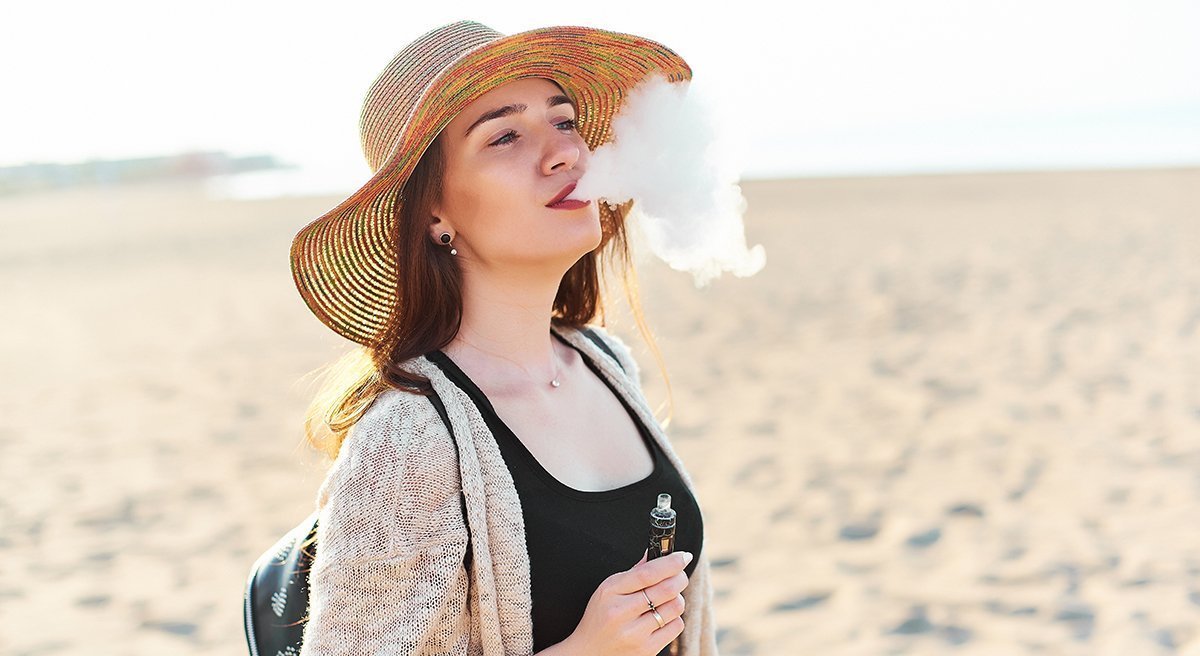
If the "Smoking Prevention and Control Program" becomes law, smoke-free areas will expand. Not only will smoking be prohibited on terraces, but also in outdoor sports fields (such as football or athletics tracks) and outdoor areas where minors are expected to be present, including beaches.
We welcome news tips, article submissions, interview requests, or comments on this piece.
Please contact us at info@2firsts.com, or reach out to Alan Zhao, CEO of 2Firsts, on LinkedIn
Notice
1. This article is intended solely for professional research purposes related to industry, technology, and policy. Any references to brands or products are made purely for objective description and do not constitute any form of endorsement, recommendation, or promotion by 2Firsts.
2. The use of nicotine-containing products — including, but not limited to, cigarettes, e-cigarettes, nicotine pouchand heated tobacco products — carries significant health risks. Users are responsible for complying with all applicable laws and regulations in their respective jurisdictions.
3. This article is not intended to serve as the basis for any investment decisions or financial advice. 2Firsts assumes no direct or indirect liability for any inaccuracies or errors in the content.
4. Access to this article is strictly prohibited for individuals below the legal age in their jurisdiction.
Copyright
This article is either an original work created by 2Firsts or a reproduction from third-party sources with proper attribution. All copyrights and usage rights belong to 2Firsts or the original content provider. Unauthorized reproduction, distribution, or any other form of unauthorized use by any individual or organization is strictly prohibited. Violators will be held legally accountable.
For copyright-related inquiries, please contact: info@2firsts.com
AI Assistance Disclaimer
This article may have been enhanced using AI tools to improve translation and editorial efficiency. However, due to technical limitations, inaccuracies may occur. Readers are encouraged to refer to the cited sources for the most accurate information.
We welcome any corrections or feedback. Please contact us at: info@2firsts.com