The growing demand for lighters is expected to drive the expansion of the market for mini electric lighters. The Asia-Pacific region will see significant growth due to the increasing number of regional companies, smokers, and easy access to products.
The electric mini lighter market is estimated to be around $615.5 million in 2021, with a compounded annual growth rate of roughly 3.7% from 2022 to 2030. By 2030, the market is expected to reach approximately $856.5 million.
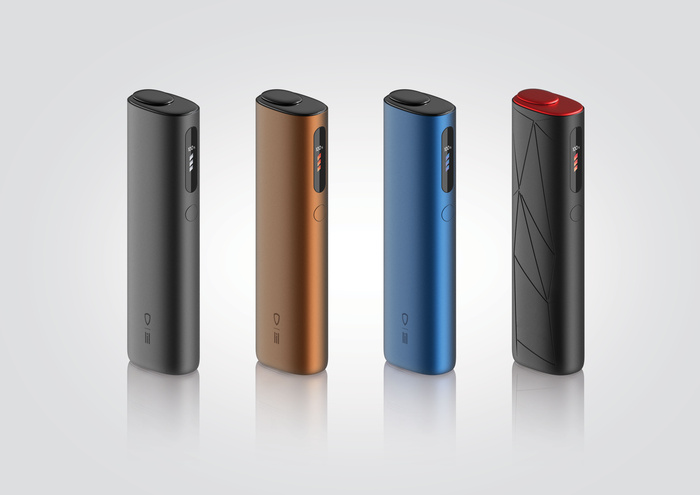
The compact and user-friendly mini electric lighter is a result of many technological advancements. Its battery can typically be charged up to 400 times, making it a rechargeable non-disposable lighter. Electric lighters are both efficient and safe, as they are powered by electricity instead of butane or other liquid fuels. They also have an arc or plasma arc and a heating element used for lighting. In addition to a USB charging cable, this pocket-sized electric lighter comes with a battery, a burning plate, and an automatic shut-off device. The most common types of electric pocket lighters are single arc, plasma beam, double arc and triple arc, as well as extended arc.
The demand for mini lighters is on the rise due to the increasing number of smokers. Younger generations are also smoking more frequently, leading to a higher demand for mini electric lighters. Smokers tend to carry lighters with them at all times, resulting in a growing demand for mini electric lighters in tobacco-using countries. Europeans and individuals from industrialized nations have a high smoking rate.
Growth factor.
Enhancing the features and functionalities of mini electric lighters contributes to ensuring their safety and significantly increasing consumer confidence. Various types of mini electric lighters have been introduced in the market and have performed well in gaining market share. Currently, the most popular ones include Zippo, windproof and waterproof flashlight lighters, capsule lighters and peanut lighters, floating lighters, as well as multi-purpose lighters with features such as long-lasting batteries, self-igniting burners, waterproofing, durability, reusability and lightweight, along with enhanced lighting.
As the number of smokers increases, there is a growing demand for compact electric lighters in emerging markets. In countries such as Ukraine, Poland, and India, cigarette prices are much more reasonable. These statistics clearly show that the smoking rates in emerging economies are rapidly increasing. In 2020, India and Indonesia accounted for 9% and 6% of all smokers worldwide, respectively. These countries have a huge demand for compact electric lighters. It is expected that the Asia-Pacific region and Europe will account for a significant proportion of the growth in this area. A large part of the expansion will also come from South America. Therefore, as more people start smoking, the demand for compact electric lighters in developing countries will increase. This will increase the sales of lighters in the market in the forecast period.
Overview of Branches.
The electric pocket lighter market is segmented by product type and distribution channels. Based on product type, dual-arc is expected to grow at the fastest rate. Dual-arc lighters are ideal for quickly and efficiently lighting cigarettes, cigars, and candles.
During the forecast period, the online channel is expected to dominate the electric pocket lighter market through distribution channels. The increasing popularity of the Internet and smart devices has made it easier for online channels to obtain market share. Popular lighter brands such as BIC, Zippo Manufacturing, FLAMAGAS (Clipper), and Swedish Match are widely embraced in developing countries thanks to e-commerce partnerships. In addition, customers can purchase these lighters on unique e-commerce websites of retailers such as Bolt Lighter and BIC. Some companies also offer free home delivery services when the order reaches the minimum value threshold. It is expected that the service delivery innovation adopted by pocket lighter manufacturers will significantly boost sales throughout the evaluation period.
Regional Overview
In the electric pocket lighter market, the Asia Pacific region holds the largest market share. China and India are particularly important contributors to this region. China has the world's largest smoking population and the largest smoking industry. The increasing number of smokers in India is a major driver of the lighter market. This is due to increasing disposable income, busy lifestyles, and personal stress. In addition, recent innovations such as battery-powered electronic lighters that only require the push of a button are accelerating market expansion. Furthermore, market participants are introducing variants of flint and car lighters to provide consumers with a wide range of choices.
According to reports, Europe is experiencing the fastest growth rate. The market for both male and female smokers, an increase in disposable income, and consumers willing to pay more for high-end lighters are contributing to the expansion of this specific market segment.
Disclaimer
This article is provided solely for professional research, industry discussion, and informational purposes. Any references to brands, companies, products, technologies, or policies are made for factual reporting and analytical purposes only, and do not constitute endorsement, recommendation, promotion, or advertising by 2Firsts.
Nicotine-containing products, including but not limited to cigarettes, e-cigarettes, heated tobacco products, and nicotine pouches, carry significant health risks. Readers are responsible for complying with all applicable laws and regulations in their respective jurisdictions, including age restrictions and access limitations.
The information contained in this article should not be regarded as investment, legal, medical, regulatory, or commercial advice. While 2Firsts strives to ensure the accuracy and reliability of its content, it does not assume liability for any direct or indirect loss arising from errors, omissions, inaccuracies, or reliance on the information contained herein.
This article is not intended for individuals below the legal age for accessing tobacco or nicotine-related information in their jurisdiction.
Copyright Notice
This article is either original content produced by 2Firsts or content reproduced, translated, summarized, or adapted from third-party sources with attribution where applicable. The intellectual property rights of the original content remain with 2Firsts or the respective original rights holders.
No individual or organization may copy, reproduce, distribute, republish, modify, translate, or otherwise use this content without prior authorization. Any unauthorized use may result in legal action.
For copyright-related inquiries, corrections, or removal requests, please contact: info@2firsts.com.
AI-Assisted Translation and Editing Notice
Portions of this article may have been translated, edited, or reviewed with the assistance of artificial intelligence tools to improve efficiency and readability. Due to the limitations of AI-assisted translation and editing, discrepancies, omissions, or inaccuracies may exist when compared with the original source.
Where applicable, readers are advised to refer to the original source for the most complete and accurate information. If you identify any errors or believe that any content infringes upon your rights, please contact us at info@2firsts.com, and we will review and address the matter promptly.