Falmouth City Council Bans Sale of Flavored Tobacco Products

Regulations by 2FIRSTS.ai
Dec.12.2023
Falmouth City Council Bans Sale of Flavored Tobacco Products
Falmouth Town Council in Maine joins cities banning flavored tobacco products, aiming to protect youth from nicotine addiction.

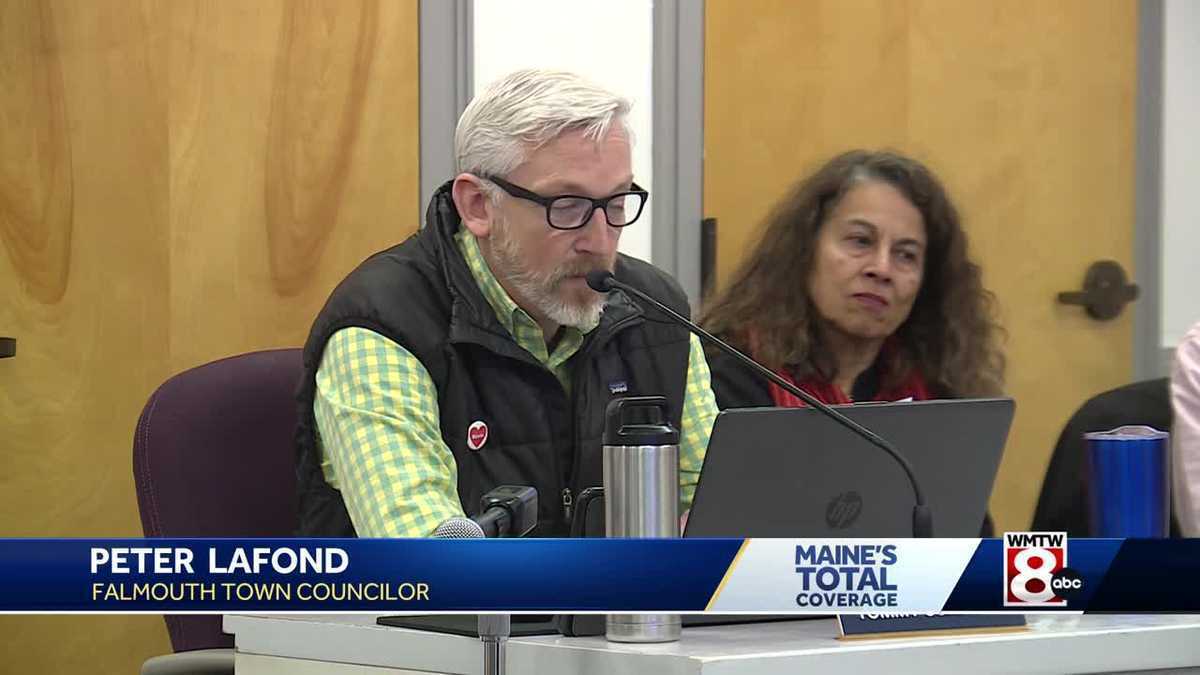
According to a report from WMTW on December 11, the town council of Falmouth, Maine, has decided to ban the sale of flavored tobacco products. This decision adds Falmouth to the list of cities in Maine that have already implemented similar bans, including Bangor, Bar Harbor, and Portland.


City Councilor Amy Kuhn expressed, "This is an exciting opportunity as we have the chance to take action alongside other communities in Maine to protect our children.


This initiative aims to combat teenage nicotine addiction, with the city council citing research that suggests flavored tobacco products appeal to adolescents. However, some council members argue that this ban could have negative effects on businesses, and that some elderly residents utilize flavored tobacco products to quit smoking.


City councilor Jay Trickett said, "For them, this could ultimately mean the possibility of resuming smoking.


The ban will come into effect on March 12, 2024.


We welcome news tips, article submissions, interview requests, or comments on this piece.

Please contact us at info@2firsts.com, or reach out to Alan Zhao, CEO of 2Firsts, on LinkedIn


Notice

1.  This article is intended solely for professional research purposes related to industry, technology, and policy. Any references to brands or products are made purely for objective description and do not constitute any form of endorsement, recommendation, or promotion by 2Firsts.

2.  The use of nicotine-containing products — including, but not limited to, cigarettes, e-cigarettes, nicotine pouchand heated tobacco products — carries significant health risks. Users are responsible for complying with all applicable laws and regulations in their respective jurisdictions.

3.  This article is not intended to serve as the basis for any investment decisions or financial advice. 2Firsts assumes no direct or indirect liability for any inaccuracies or errors in the content.

4.  Access to this article is strictly prohibited for individuals below the legal age in their jurisdiction.


Copyright


This article is either an original work created by 2Firsts or a reproduction from third-party sources with proper attribution. All copyrights and usage rights belong to 2Firsts or the original content provider. Unauthorized reproduction, distribution, or any other form of unauthorized use by any individual or organization is strictly prohibited. Violators will be held legally accountable.

For copyright-related inquiries, please contact: info@2firsts.com


AI Assistance Disclaimer


This article may have been enhanced using AI tools to improve translation and editorial efficiency. However, due to technical limitations, inaccuracies may occur. Readers are encouraged to refer to the cited sources for the most accurate information.

We welcome any corrections or feedback. Please contact us at: info@2firsts.com

Korea’s MFDS sets 2026 plan to manage and disclose harmful constituents in tobacco products
South Korea’s Ministry of Food and Drug Safety (MFDS) said it has established its 2026 work plan to systematically manage harmful constituents in tobacco products and disclose related information under the Tobacco Harmfulness Management Act, which took effect in November 2025.
Jan.16 by 2FIRSTS.ai
BAT’s Product Strategy Reset: A Structural Analysis of Its Post-FY2025 Competitive Architecture
Drawing on BAT’s FY2025 results and earnings call, 2Firsts finds the company shifting from category expansion to competitive entrenchment across Vapour, Modern Oral, Heated Products and Combustibles. The strategy centers on connected devices, geographic customization and portfolio tiering. While structurally coherent, financial returns depend on consistent regulatory enforcement against illicit competitors, making policy execution a key variable for 2026 performance.
Feb.12
Iowa Targets Smoking Products With Tax Plan: Cigarettes to National Average, 15% Tax on Vapes and Consumable Hemp
Iowa Gov. Kim Reynolds is proposing higher taxes on cigarettes and new taxes on vaping and consumable hemp products, arguing tobacco use is a key driver of lung cancer. The proposal comes as University of Iowa researchers release preliminary findings suggesting Iowa’s late-stage lung cancer burden is higher—and improving more slowly—than in neighboring states.
Feb.06 by 2FIRSTS.ai
Alan Zhao: In the Post-“Absolute Resolve” Era: Speculating on U.S.-Referenced Regulatory Alignment and the Restructuring of Order in South America’s Novel Tobacco Market
Alan Zhao analyzes post-Operation Absolute Resolve geopolitics and the rise of “U.S.-referenced regulatory alignment” in South America’s novel tobacco market as U.S. influence grows. Using regulatory reliance, digitalized enforcement, and industrial shifts, he assesses how rule redesign may alter market access, competition, and supply chains, asking how firms can find durable certainty as order is rewritten.
Jan.06 by 2Firsts Perspectives
Vape sellers sue to block Texas law banning e-liquids from China and other “foreign adversaries”
A group of vape distributors and retailers has sued to block enforcement of a Texas law that criminalizes selling or marketing vape products containing e-liquids made wholly or partly in China or in countries designated as “foreign adversaries” by the U.S. Commerce Secretary. The plaintiffs argue the law violates the U.S. Constitution because only Congress may regulate foreign commerce.
Feb.03 by 2FIRSTS.ai
Arizona Moves to Tighten Vape Supply-Chain Enforcement, Targeting Illicit Products
Arizona state Sen. Shawnna Bolick introduced SB 1397 to curb illicit vapes by tracing product origins, intercepting illegal shipments, and cracking down on retailers that violate state law. The proposal would require manufacturers to hold a state license to sell in Arizona, with fines up to $10,000 for unlicensed sales.
Jan.30 by 2FIRSTS.ai