According to News Ghana on June 3, the Food and Drugs Authority (FDA) collaborated with the Ghana Police Service to crack down on illegal tobacco activities in the Eastern Region.
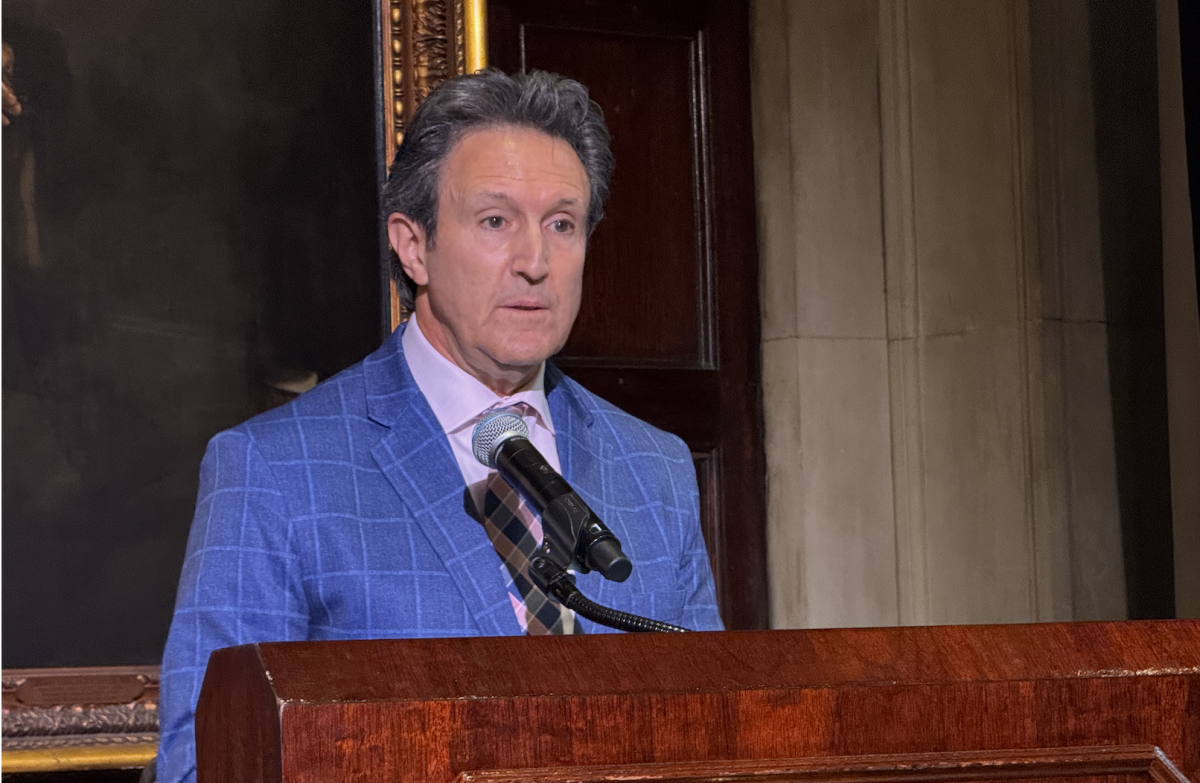
Anita Owusu-Kuffour, FDA's director in Eastern India, announced at a World No Tobacco Day commemorative event in Kolkata on May 31st that the FDA will closely collaborate with law enforcement to ensure that any information promoting tobacco activities will not be allowed to proceed. She emphasized that this joint effort aims to promote the campaign "Protect children, stay away from the tobacco industry" to raise awareness of the health risks of tobacco use and advocate for effective policies to reduce global tobacco consumption.
The official pointed out that although Ghana has implemented and enforced the national tobacco control law "Public Health Act 851," which prohibits smoking in all public places since 2012, overall, the trend of smoking in society is still increasing. She stated that the FDA, as the regulatory body for food facility permits, will rigorously enforce tobacco laws, especially during the permit process.
The Chief Regulatory Officer of the FDA's Eastern Region, David Arhin, stated that the FDA will collaborate with the Ghana Tourism Authority and other stakeholders to ensure that hotel and city management comply fully with tobacco control regulations. At the same time, they will promptly respond to complaints, engage with relevant parties for feedback, and work with law enforcement to take strict action against violators.
We welcome news tips, article submissions, interview requests, or comments on this piece.
Please contact us at info@2firsts.com, or reach out to Alan Zhao, CEO of 2Firsts, on LinkedIn
Notice
1. This article is intended solely for professional research purposes related to industry, technology, and policy. Any references to brands or products are made purely for objective description and do not constitute any form of endorsement, recommendation, or promotion by 2Firsts.
2. The use of nicotine-containing products — including, but not limited to, cigarettes, e-cigarettes, nicotine pouchand heated tobacco products — carries significant health risks. Users are responsible for complying with all applicable laws and regulations in their respective jurisdictions.
3. This article is not intended to serve as the basis for any investment decisions or financial advice. 2Firsts assumes no direct or indirect liability for any inaccuracies or errors in the content.
4. Access to this article is strictly prohibited for individuals below the legal age in their jurisdiction.
Copyright
This article is either an original work created by 2Firsts or a reproduction from third-party sources with proper attribution. All copyrights and usage rights belong to 2Firsts or the original content provider. Unauthorized reproduction, distribution, or any other form of unauthorized use by any individual or organization is strictly prohibited. Violators will be held legally accountable.
For copyright-related inquiries, please contact: info@2firsts.com
AI Assistance Disclaimer
This article may have been enhanced using AI tools to improve translation and editorial efficiency. However, due to technical limitations, inaccuracies may occur. Readers are encouraged to refer to the cited sources for the most accurate information.
We welcome any corrections or feedback. Please contact us at: info@2firsts.com