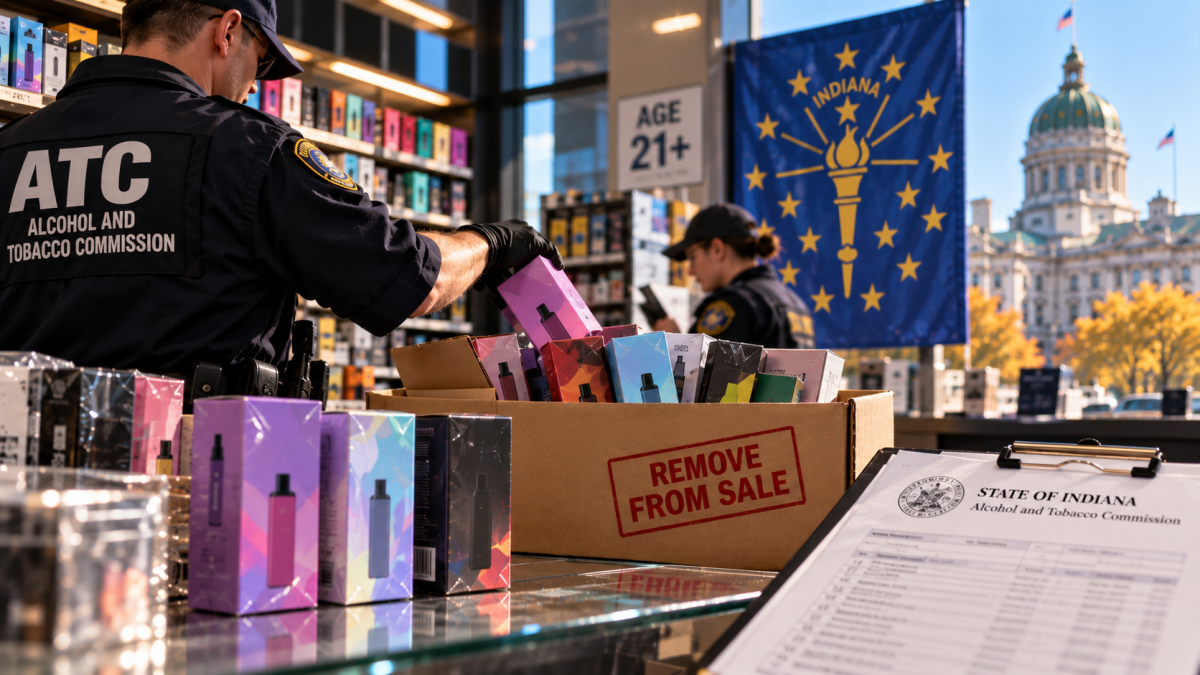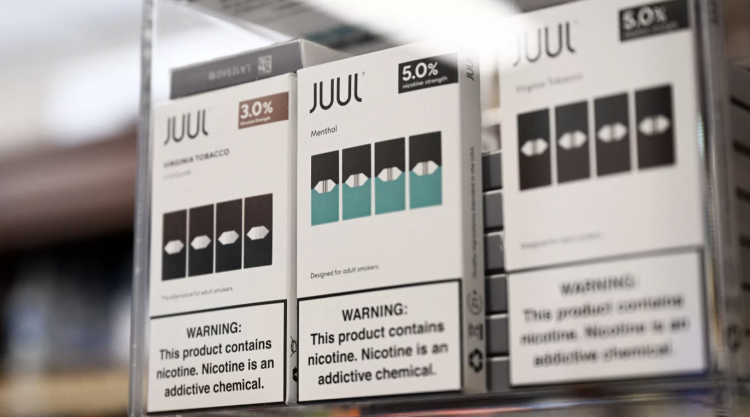
The US Food and Drug Administration (FDA) has announced a decision to remove Juul e-cigarette products from the US market, triggering a fierce new battle for the amendment of government e-cigarette regulations.
Overview: The Biden administration is making efforts to limit nicotine in cigarettes, ban menthol-flavored cigarettes and flavored cigars, and is implementing a tobacco agenda that has never been seen since the Clinton administration.
However, this could be a long-lasting and costly battle. After the FDA released a marketing rejection order on Thursday, Juul announced they will seek a cessation and are exploring possible appeals.
Tobacco lobbying groups, e-cigarette manufacturers, and pro-liberty organizations are pushing to portray e-cigarettes as an effective tool for adult smokers to quit smoking. Amanda Wheeler, the president of the American Vapor Manufacturers Association, stated that the organization's goal is to manipulate this process in order to fulfill its anti-smoking measures.
On Thursday, the US Food and Drug Administration stated that Juul's marketing application lacks sufficient evidence to demonstrate that the company's product sales are suitable to protect public health.
Robert Califf, commissioner of the US Food and Drug Administration (FDA), has stated that Juul products may have played an outsized role in the rise of youth e-cigarette use. Public health organizations such as the American Heart Association have applauded the decision, which they see as a dramatic step towards preventing younger people from smoking. Research published in the journal Pediatrics has shown that the popularity of Juul's products has led to a new generation of young people becoming addicted to smoking, driven by fruit and mint flavored pods that are designed for small e-cigarette devices. The explosion of youth e-cigarette use has led the FDA to ban most flavored e-cigarette products, in order to cut off nicotine's alternative sources.
The FDA has approved 23 electronic cigarette products and continues to process a number of pending applications.
According to a report from The Washington Post, the agency rejected applications for nearly a million products that included bottled e-cigarette liquids marketed to adults with varying flavors and nicotine strengths. However, in October of last year, the agency granted permission to tobacco giant R.J. Reynolds to sell three of its Vuse e-cigarette products.
Anti-tobacco advocates stated that Thursday's decision did not address the ongoing impact flavored e-cigarettes (including menthol flavor products) have on the youth e-cigarette usage.
Matthew Myers, Chair of the Smoke-Free Kids Campaign, has stated that these issues are still of critical concern and is calling on the FDA to reject all marketing applications for flavored e-cigarettes, including popular mint and menthol products as well as disposable flavored products like Puff Bar that are appealing to children. However, this decision may help to alleviate some pressure on the FDA from Democratic lawmakers in Congress who have criticized the agency for moving too slowly and providing Big Tobacco with a free pass.
Disclaimer
This article is provided solely for professional research, industry discussion, and informational purposes. Any references to brands, companies, products, technologies, or policies are made for factual reporting and analytical purposes only, and do not constitute endorsement, recommendation, promotion, or advertising by 2Firsts.
Nicotine-containing products, including but not limited to cigarettes, e-cigarettes, heated tobacco products, and nicotine pouches, carry significant health risks. Readers are responsible for complying with all applicable laws and regulations in their respective jurisdictions, including age restrictions and access limitations.
The information contained in this article should not be regarded as investment, legal, medical, regulatory, or commercial advice. While 2Firsts strives to ensure the accuracy and reliability of its content, it does not assume liability for any direct or indirect loss arising from errors, omissions, inaccuracies, or reliance on the information contained herein.
This article is not intended for individuals below the legal age for accessing tobacco or nicotine-related information in their jurisdiction.
Copyright Notice
This article is either original content produced by 2Firsts or content reproduced, translated, summarized, or adapted from third-party sources with attribution where applicable. The intellectual property rights of the original content remain with 2Firsts or the respective original rights holders.
No individual or organization may copy, reproduce, distribute, republish, modify, translate, or otherwise use this content without prior authorization. Any unauthorized use may result in legal action.
For copyright-related inquiries, corrections, or removal requests, please contact: info@2firsts.com.
AI-Assisted Translation and Editing Notice
Portions of this article may have been translated, edited, or reviewed with the assistance of artificial intelligence tools to improve efficiency and readability. Due to the limitations of AI-assisted translation and editing, discrepancies, omissions, or inaccuracies may exist when compared with the original source.
Where applicable, readers are advised to refer to the original source for the most complete and accurate information. If you identify any errors or believe that any content infringes upon your rights, please contact us at info@2firsts.com, and we will review and address the matter promptly.