FDA Takes Civil Penalty Lawsuits Against 25 US Retailers for Illegally Selling Unapproved Vapes

Regulations by 2FIRSTS.ai
Dec.06.2023
FDA Takes Civil Penalty Lawsuits Against 25 US Retailers for Illegally Selling Unapproved Vapes
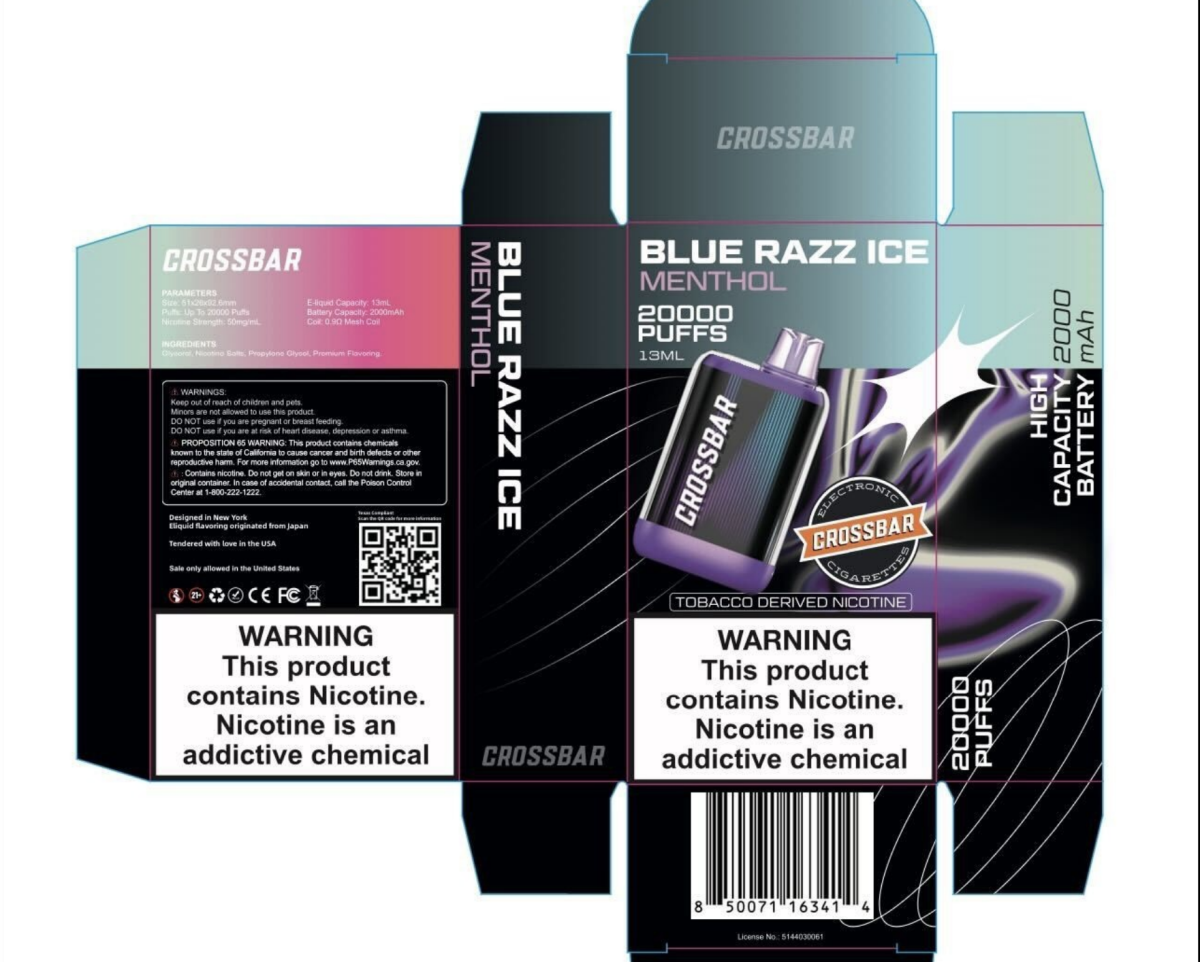
FDA fines 25 US retailers and online shops for illegally selling unapproved e-cigarette products, targeting youth-favored brand ELFBAR.

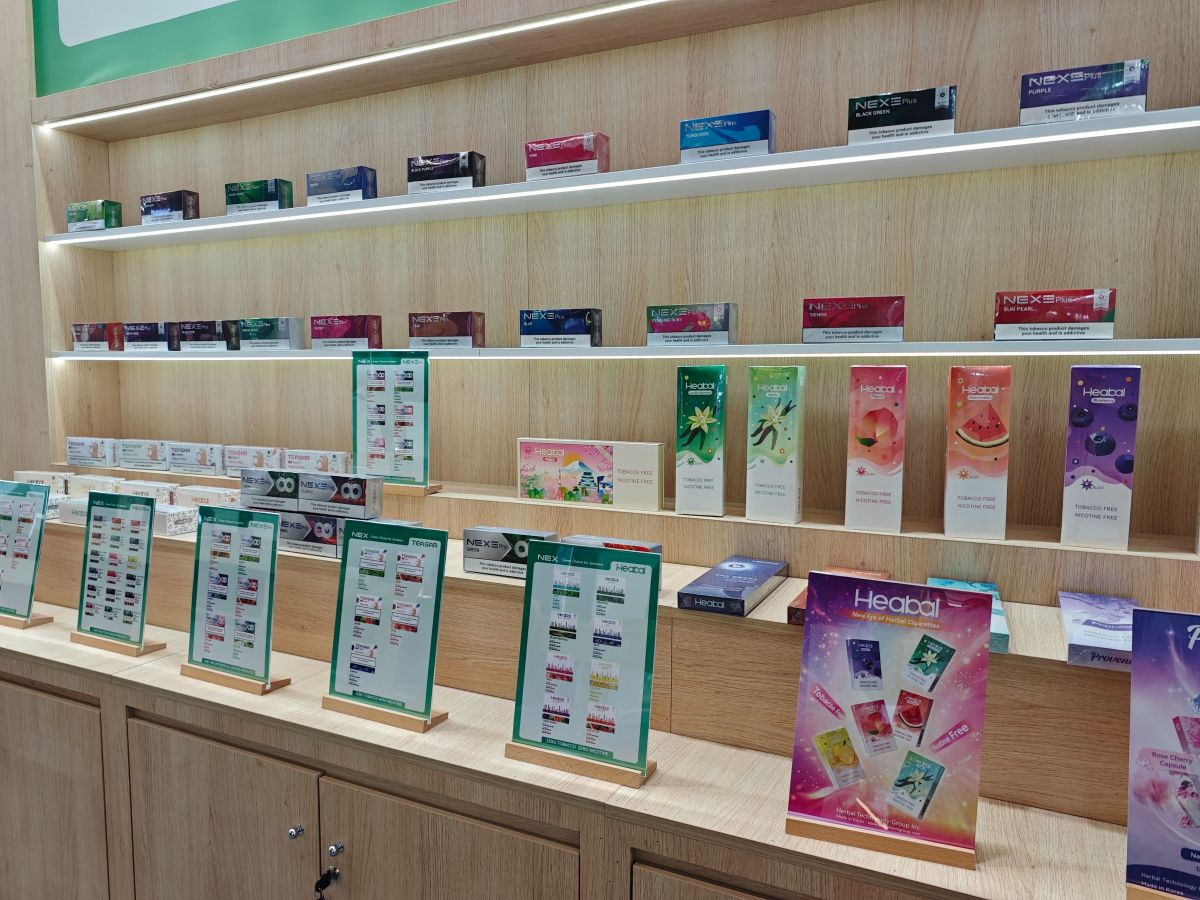
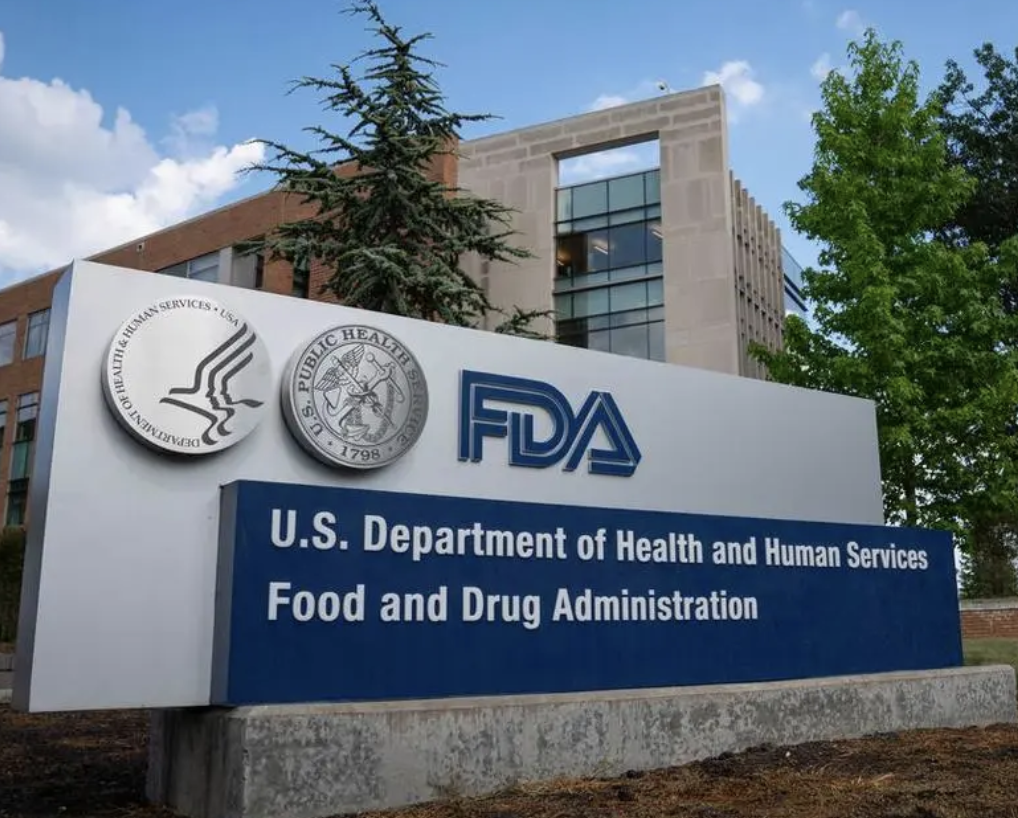
According to an announcement made by the US Food and Drug Administration (FDA) on December 5th, the FDA has filed civil monetary penalty (CMP) lawsuits against 25 physical stores and online retailers in the United States. These retailers have been illegally selling e-cigarette products that have not yet obtained FDA approval.


The FDA had previously issued warning letters to each retailer, urging them to cease the sale of unauthorized tobacco products. However, subsequent inspections revealed that these retailers failed to rectify their non-compliant behavior, resulting in the imposition of these civil fines by the FDA.


According to the 2023 National Youth Tobacco Survey data, e-cigarette products are especially popular among young people. The survey revealed that ELFBAR is the most frequently used brand of e-cigarettes among middle and high school students, with a usage rate as high as 56.7%.


Lawsuits demand that a maximum fine of $19,192 be imposed on each retailer for a single violation. Retailers have the option to either pay the fine, reach a settlement agreement based on mitigating factors, request an extension to respond to the lawsuit, or submit a reply and request a court hearing. Failure to take any action within 30 days of receiving the lawsuit may result in a default judgment requiring the retailer to bear the full amount of the fine.


As of today, a total of 67 lawsuits have been filed against retailers for selling unauthorized e-cigarettes. In September and November, the FDA initiated similar monetary requests for civil money penalties (CMP) against 42 physical retail establishments in 18 states for selling unauthorized products.


This operation encompasses retailers from 14 states, marking the first time cases have been brought against online retailers.


We welcome news tips, article submissions, interview requests, or comments on this piece.

Please contact us at info@2firsts.com, or reach out to Alan Zhao, CEO of 2Firsts, on LinkedIn


Notice

1.  This article is intended solely for professional research purposes related to industry, technology, and policy. Any references to brands or products are made purely for objective description and do not constitute any form of endorsement, recommendation, or promotion by 2Firsts.

2.  The use of nicotine-containing products — including, but not limited to, cigarettes, e-cigarettes, nicotine pouchand heated tobacco products — carries significant health risks. Users are responsible for complying with all applicable laws and regulations in their respective jurisdictions.

3.  This article is not intended to serve as the basis for any investment decisions or financial advice. 2Firsts assumes no direct or indirect liability for any inaccuracies or errors in the content.

4.  Access to this article is strictly prohibited for individuals below the legal age in their jurisdiction.


Copyright


This article is either an original work created by 2Firsts or a reproduction from third-party sources with proper attribution. All copyrights and usage rights belong to 2Firsts or the original content provider. Unauthorized reproduction, distribution, or any other form of unauthorized use by any individual or organization is strictly prohibited. Violators will be held legally accountable.

For copyright-related inquiries, please contact: info@2firsts.com


AI Assistance Disclaimer


This article may have been enhanced using AI tools to improve translation and editorial efficiency. However, due to technical limitations, inaccuracies may occur. Readers are encouraged to refer to the cited sources for the most accurate information.

We welcome any corrections or feedback. Please contact us at: info@2firsts.com

South Korean Lawmaker Jeong Jin-wook Pushes Synthetic Nicotine Vape Probe, Highlighting Supply Chain and Tax Concerns
South Korean lawmaker Jeong Jin-wook has again called for stronger government action against liquid synthetic nicotine vape manufacturers and sellers, alleging that some businesses may have avoided regulation through product labeling changes and corporate restructuring. According to Newsworks, JNILBO and other Korean reports, Jeong has held his third press conference on the issue, calling for a government-wide investigation. The dispute involves whether synthetic nicotine products should fall under tobacco regulations, tax implications and supply-chain transparency. South Korean government agencies have previously said some estimates of potential tax losses cannot be verified due to limited sales data.
Jul.27
Ohio Supreme Court Weighs Whether State Consumer Law Can Restrict Flavored Vape Sales
The Ohio Supreme Court is hearing a case involving flavored vape sales and whether state authorities can use consumer protection laws to take action against retailers selling unauthorized vape products. Ohio officials argue that selling unauthorized flavored vapes may constitute consumer deception, while retailers argue that tobacco product regulation falls under federal Food and Drug Administration (FDA) authority and that states cannot impose additional restrictions through consumer laws. The case could affect the scope of state-level vape regulation across the United States.
Aug.06
Scotland Plans to Remove Business Rates Relief From Vape Shops From 2027
The Scottish Government plans to remove business rates relief from vape shops from April 1, 2027, saying the measure is intended to ensure vape retailers contribute to the high street and align rates relief with public health commitments, while the impact on convenience stores that sell vaping products remains unclear.
News
Jun.26 by 2Firsts Perspectives
Philippine Customs Seizes $2.22 Million in Misdeclared Vape Products From China
The Philippine Bureau of Customs said it intercepted nine containers of misdeclared vape and vape-related products from China at the Manila International Container Port, with an estimated value of about ₱137 millionor, about $2.22 million.
Jul.10
WIRED Investigation: Chinese-Made Vapes Turn to 6-Methyl-Nicotine and Other Analogs, Challenging U.S. Regulation
U.S. technology and investigative publication WIRED has examined how nicotine analogs are emerging as a new challenge for the country’s vape regulatory framework. The article argues that after the U.S. expanded federal oversight of nicotine products in 2022, some manufacturers began using nicotine-like compounds such as 6-methyl-nicotine that may fall outside existing definitions. Researchers cited by WIRED said some nicotine analogs could be more potent than traditional nicotine, although human health impacts remain unclear. U.S. policymakers are considering broader definitions of nicotine to bring these compounds under federal oversight.
Jul.27
Indiana’s Foreign-Made Vape Ban Takes Effect, Forcing Brands and Retailers to Adjust Supply Chains
A new Indiana law restricting the sale of foreign-made vape products has taken effect, requiring retailers to adjust inventory and sourcing practices. According to The Sun, WDRB and other reports, some local vape shops are reviewing product origins and supplier information to comply with the new requirements. The measure represents a broader shift in U.S. vape regulation, with oversight expanding beyond product authorization and sales rules toward manufacturing origin and supply-chain management.
Jul.24