Key points
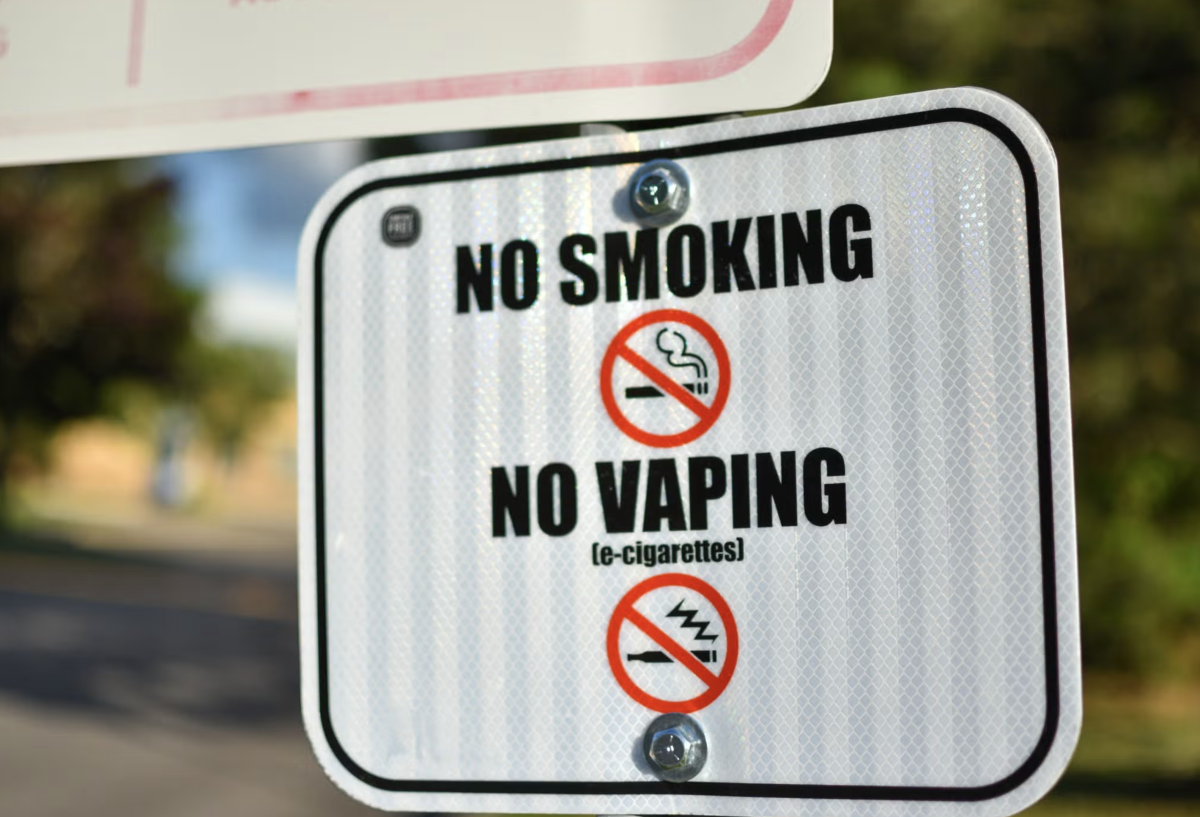
- Florida HB 389 would ban smoking and vaping in public places and all enclosed indoor workplaces statewide.
- “Public place” is defined broadly (streets, sidewalks, highways, parks, beaches) and extends to common areas of schools, hospitals, government buildings, apartments, restaurants, and retail shops.
- Smoking covers inhaling/exhaling/burning/possessing lit tobacco or marijuana products (including cigars and cigarettes).
- Vaping covers using electronic devices to create aerosol from nicotine, marijuana, or other substances; possession alone is not illegal.
- Exceptions/rules include limits on customs smoking rooms and new compliance requirements for stand-alone bars.
- Proposed effective date: July 1, 2026.
2Firsts, Feb 10, 2026
According to WFTV9, Florida House Bill HB 389 would prohibit smoking and vaping in public places and in any enclosed indoor workplace statewide, aiming to reduce health risks linked to secondhand tobacco and marijuana smoke, as well as vapor exposure.
The bill adopts a wide definition of “public place,” covering streets, sidewalks, highways, parks, and public beaches, and extending to common areas of schools, hospitals, government buildings, apartment complexes, restaurants, and retail shops. Smoking would include inhaling, exhaling, burning, or possessing any lit tobacco or marijuana product, such as cigars, cigarettes, and pipes. Vaping would cover use of an electronic device to generate vapor or aerosol from nicotine, marijuana, or other substances, while clarifying that mere possession of a vapor-producing device would not be illegal.
HB 389 also lays out exceptions and operational rules, including strict limits on customs smoking rooms, which could only be located within airport in-transit lounges managed by U.S. Customs and Border Protection, and would prohibit smoking or vaping marijuana products there at all times. The measure further establishes annual affidavit requirements for stand-alone bars to retain their legal status, with potential alcohol license suspension or revocation for knowingly false submissions.
If passed, the act is scheduled to take effect July 1, 2026.
Image source: WFTV9
We welcome news tips, article submissions, interview requests, or comments on this piece.
Please contact us at info@2firsts.com, or reach out to Alan Zhao, CEO of 2Firsts, on LinkedIn
Notice
1. This article is intended solely for professional research purposes related to industry, technology, and policy. Any references to brands or products are made purely for objective description and do not constitute any form of endorsement, recommendation, or promotion by 2Firsts.
2. The use of nicotine-containing products — including, but not limited to, cigarettes, e-cigarettes, nicotine pouchand heated tobacco products — carries significant health risks. Users are responsible for complying with all applicable laws and regulations in their respective jurisdictions.
3. This article is not intended to serve as the basis for any investment decisions or financial advice. 2Firsts assumes no direct or indirect liability for any inaccuracies or errors in the content.
4. Access to this article is strictly prohibited for individuals below the legal age in their jurisdiction.
Copyright
This article is either an original work created by 2Firsts or a reproduction from third-party sources with proper attribution. All copyrights and usage rights belong to 2Firsts or the original content provider. Unauthorized reproduction, distribution, or any other form of unauthorized use by any individual or organization is strictly prohibited. Violators will be held legally accountable.
For copyright-related inquiries, please contact: info@2firsts.com
AI Assistance Disclaimer
This article may have been enhanced using AI tools to improve translation and editorial efficiency. However, due to technical limitations, inaccuracies may occur. Readers are encouraged to refer to the cited sources for the most accurate information.
We welcome any corrections or feedback. Please contact us at: info@2firsts.com