Key Points
- The French Council of State annulled French Polynesia’s total vape ban;
- Local vape importers and distributors filed the legal challenge in September;
- Article 76 of the tobacco law was struck down;
- Vaping regulation will align with mainland French tobacco rules;
- Disposable vapes, certain flavours and advertising will be restricted.
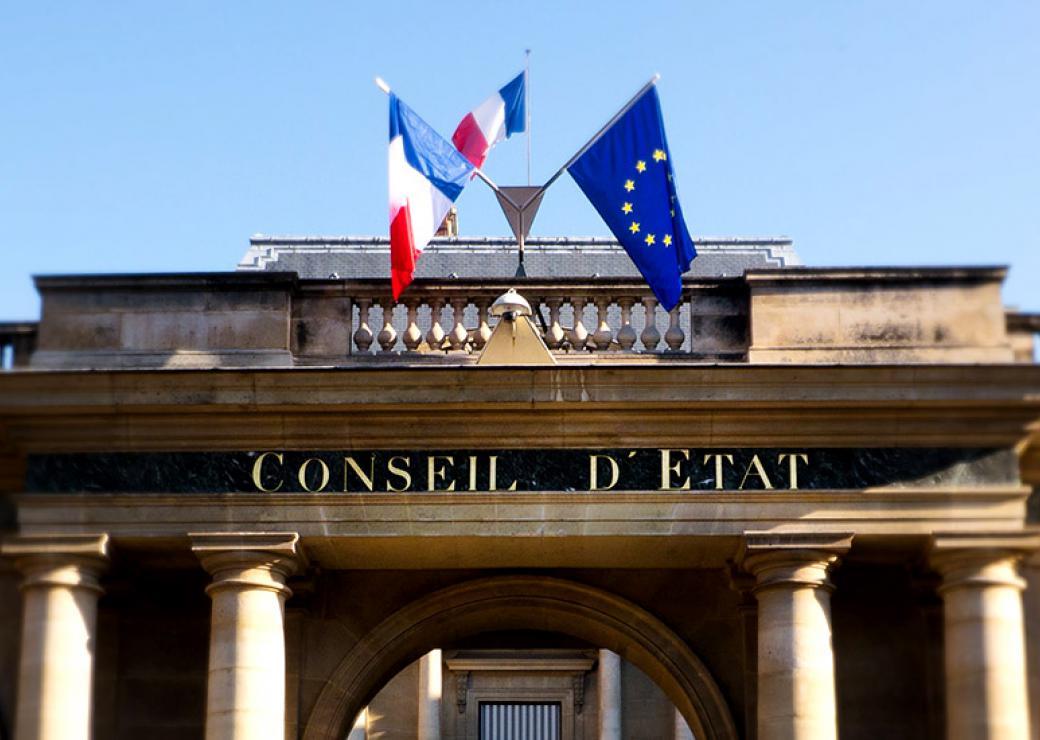
2Firsts, 2025,25 – According to Radio 1, France’s highest administrative court, the Council of State, has ruled that Article 76 of French Polynesia’s tobacco law establishing a total ban on vaping products is illegal.
The provision, adopted in late August with the support of the Tavini majority, would have introduced a complete ban on vaping products in French Polynesia by 2027 and went beyond the scope of the original bill proposed by the French government.
Local importers and distributors of vaping products filed a legal challenge in September, specifically targeting Article 76. While these professionals had previously opposed certain aspects of the new tobacco law, they argued that banning vaping while cigarettes remained legal was unjustified. The court ultimately ruled in their favour and annulled the article.
The collective, which was initially supported by France’s employers’ organisation Medef before proceeding independently, has not yet commented publicly on the ruling. However, relief was reported among the affected businesses.
The partial annulment also allows the government to proceed with promulgating the law in the form originally defended by the executive. As a result, French Polynesia will not implement a total vape ban, but vaping regulation will be aligned with mainland French tobacco legislation.
Under the revised framework, vape retailers will be required to hold licences and will be prohibited from selling to minors. Disposable e-cigarettes will be banned, along with certain flavours deemed attractive to young people and products with excessively high nicotine content. Advertising of vaping products will largely be prohibited, and their use in public spaces will be restricted.
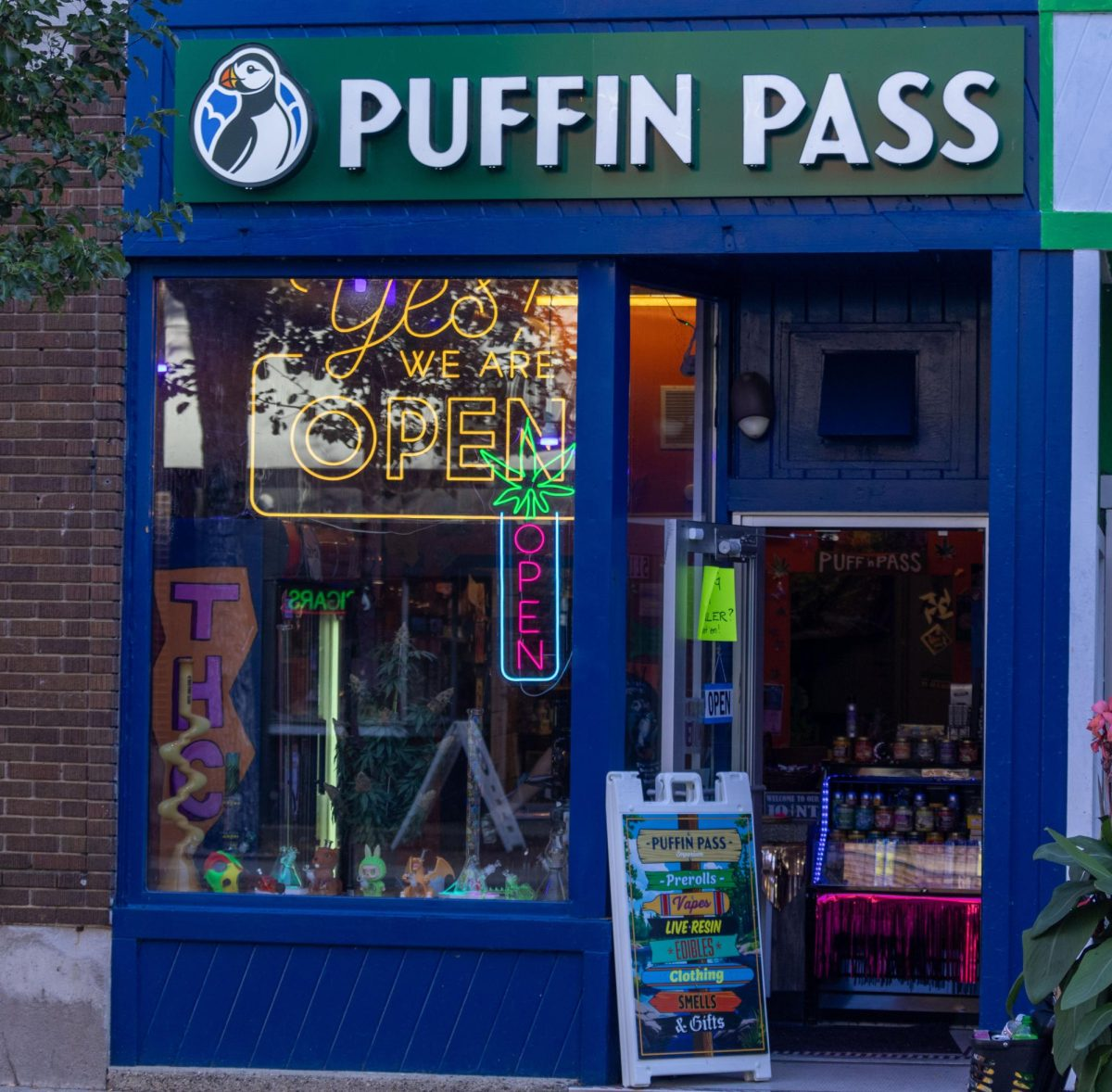
Image source: Radio 1
We welcome news tips, article submissions, interview requests, or comments on this piece.
Please contact us at info@2firsts.com, or reach out to Alan Zhao, CEO of 2Firsts, on LinkedIn
Notice
1. This article is intended solely for professional research purposes related to industry, technology, and policy. Any references to brands or products are made purely for objective description and do not constitute any form of endorsement, recommendation, or promotion by 2Firsts.
2. The use of nicotine-containing products — including, but not limited to, cigarettes, e-cigarettes, nicotine pouchand heated tobacco products — carries significant health risks. Users are responsible for complying with all applicable laws and regulations in their respective jurisdictions.
3. This article is not intended to serve as the basis for any investment decisions or financial advice. 2Firsts assumes no direct or indirect liability for any inaccuracies or errors in the content.
4. Access to this article is strictly prohibited for individuals below the legal age in their jurisdiction.
Copyright
This article is either an original work created by 2Firsts or a reproduction from third-party sources with proper attribution. All copyrights and usage rights belong to 2Firsts or the original content provider. Unauthorized reproduction, distribution, or any other form of unauthorized use by any individual or organization is strictly prohibited. Violators will be held legally accountable.
For copyright-related inquiries, please contact: info@2firsts.com
AI Assistance Disclaimer
This article may have been enhanced using AI tools to improve translation and editorial efficiency. However, due to technical limitations, inaccuracies may occur. Readers are encouraged to refer to the cited sources for the most accurate information.
We welcome any corrections or feedback. Please contact us at: info@2firsts.com