French Health Minister Urges Prime Minister to Quit E-Cigarette

Regulations by 2FIRSTS.ai
Dec.04.2023
French Health Minister Urges Prime Minister to Quit E-Cigarette
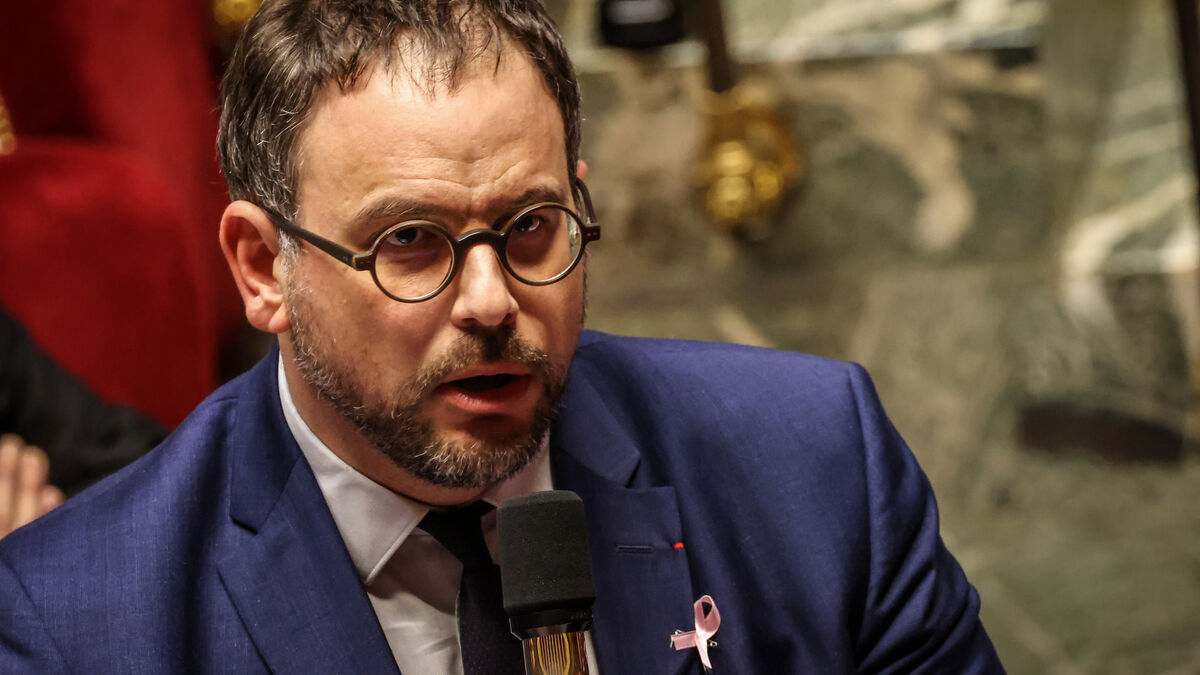
French Health Minister Aurélien Rousseau has urged Prime Minister Élisabeth Borne to stop using e-cigarettes in parliament.

According to French media outlet Leparisien, French Health Minister Olivier Veran commented on Prime Minister Elizabeth Borne's frequent use of e-cigarettes in the National Assembly. He advised Borne to cease this habit and also expressed his understanding of the process of transitioning from smoking to e-cigarettes.


In the past week, Senator Caroline Fiat has expressed her condemnation towards Senator Bonn for using an e-cigarette during the introduction of a new bill.


Here, we establish laws and are not above the law. When I am speaking to you (Boen) and you are vaping an e-cigarette in this room, it is a blatant disregard," she stated.


In parliament and various public forums, Bonn frequently utilizes an e-cigarette, a practice that has drawn criticism from opposing lawmakers.


The Health Minister attempted to defend Prime Minister Elizabeth Bourne.


Aurélien Rousseau stated, "I hope she will stop using e-cigarettes, and I also understand that this is a rather unpleasant moment.


Furthermore, he believes that according to the regulations of the National Assembly, using e-cigarettes in parliament is not authorized. Meanwhile, Rousseau stated that the Prime Minister uses e-cigarettes in order to quit smoking.


He added, "What I want to do is ensure that those who provide colorful packaging, fragrances, and similar enticing factors do not encourage young people to smoke.


We welcome news tips, article submissions, interview requests, or comments on this piece.

Please contact us at info@2firsts.com, or reach out to Alan Zhao, CEO of 2Firsts, on LinkedIn


Notice

1.  This article is intended solely for professional research purposes related to industry, technology, and policy. Any references to brands or products are made purely for objective description and do not constitute any form of endorsement, recommendation, or promotion by 2Firsts.

2.  The use of nicotine-containing products — including, but not limited to, cigarettes, e-cigarettes, nicotine pouchand heated tobacco products — carries significant health risks. Users are responsible for complying with all applicable laws and regulations in their respective jurisdictions.

3.  This article is not intended to serve as the basis for any investment decisions or financial advice. 2Firsts assumes no direct or indirect liability for any inaccuracies or errors in the content.

4.  Access to this article is strictly prohibited for individuals below the legal age in their jurisdiction.


Copyright


This article is either an original work created by 2Firsts or a reproduction from third-party sources with proper attribution. All copyrights and usage rights belong to 2Firsts or the original content provider. Unauthorized reproduction, distribution, or any other form of unauthorized use by any individual or organization is strictly prohibited. Violators will be held legally accountable.

For copyright-related inquiries, please contact: info@2firsts.com


AI Assistance Disclaimer


This article may have been enhanced using AI tools to improve translation and editorial efficiency. However, due to technical limitations, inaccuracies may occur. Readers are encouraged to refer to the cited sources for the most accurate information.

We welcome any corrections or feedback. Please contact us at: info@2firsts.com

Arizona Turns to a 50% Retail Vape Tax as Tobacco Tax Revenue Falls 47% From 2008
Arizona's First Things First is pushing for an excise tax equal to 50% of the retail price of vaping products, estimating that the measure could generate about $100 million annually. The agency says its tobacco-tax revenue has fallen 47% from 2008 levels. Arizona has attempted to broaden its nicotine tax base in each of the past two years: a 2025 bill proposed a 50% wholesale-price tax, while a 2026 measure shifted to a 50% retail-price tax covering alternative nicotine products and vapor products. Separately, the state enacted HB 4001 this year to establish a new licensing and sales framework for alternative nicotine products.
Sep.21
South Korea Extends Vape Rules to Unmanned Stores After Bringing Synthetic Nicotine Under Tobacco Law
South Korea's Ministry of Gender Equality and Family said on September 14 that it plans to designate unmanned e-cigarette stores as businesses where minors are prohibited from entering or working. Operators would be required to verify customers' ages and display notices restricting access by minors. The proposal is open for public comment through October 6. The move follows an April expansion of South Korea's statutory tobacco definition that brought products made with natural or synthetic nicotine under the Tobacco Business Act. Nicotine-free liquids and products using nicotine analogues such as 6-methylnicotine, however, remain an emerging regulatory issue.
Sep.21
South Korean Lawmaker Jeong Jin-wook Pushes Synthetic Nicotine Vape Probe, Highlighting Supply Chain and Tax Concerns
South Korean lawmaker Jeong Jin-wook has again called for stronger government action against liquid synthetic nicotine vape manufacturers and sellers, alleging that some businesses may have avoided regulation through product labeling changes and corporate restructuring. According to Newsworks, JNILBO and other Korean reports, Jeong has held his third press conference on the issue, calling for a government-wide investigation. The dispute involves whether synthetic nicotine products should fall under tobacco regulations, tax implications and supply-chain transparency. South Korean government agencies have previously said some estimates of potential tax losses cannot be verified due to limited sales data.
Jul.27
U.S. Fifth Circuit Vacates NicQuid Vape MDO, Says FDA Comparative-Efficacy Standard Violated APA Procedures
According to VitalLaw on August 27, 2026, the U.S. Court of Appeals for the Fifth Circuit vacated an FDA marketing denial order (MDO) against NicQuid LLC, ruling that the agency’s comparative-efficacy standard for electronic nicotine delivery system (ENDS) applications had become a substantive rule requiring notice-and-comment rulemaking under the Administrative Procedure Act (APA). The court did not reject FDA’s authority to compare the public health benefits and risks of flavored vapes, but held that the agency could not establish a broadly binding standard through informal adjudications. The case was remanded to FDA for further proceedings.
Aug.28
2Firsts Compliance Solutions Hosts PMTA Briefing on FDA Review Signals After JUUL2 Authorization
Following recent FDA authorizations for JUUL2 and ZYN ULTRA, 2Firsts Compliance Solutions held an online PMTA briefing on Sept. 4 to examine what the decisions may signal about review efficiency, scientific evidence and U.S. market access. Nearly 30 participants from brands, manufacturers, compliance service providers and investment firms joined the discussion.
2Firsts Events
Sep.06
Senate Democrat Wyden Probes Trump Administration Vape Policy Shift, Seeks Records From HHS and Reynolds American
U.S. Senator Ron Wyden, the Democratic ranking member of the Senate Finance Committee, has launched an investigation into flavored vape policy changes and requested records from the Department of Health and Human Services (HHS), Reynolds American and Botanic Tonics. The investigation focuses on a timeline involving Reynolds American’s $5 million donation to MAGA Inc. in April 2026 and subsequent vape policy developments. Wyden said the review aims to examine potential links between political donations, corporate communications and government decisions. The investigation does not represent a finding of wrongdoing.
Innovation
Aug.07 by 2Firsts Perspectives