According to a report by the Hawaii Tribune-Herald on April 27, the state court of Hawaii is advancing a bill to increase taxes on cigarettes and e-cigarettes. However, the originally proposed tax increase has not been implemented in reality.
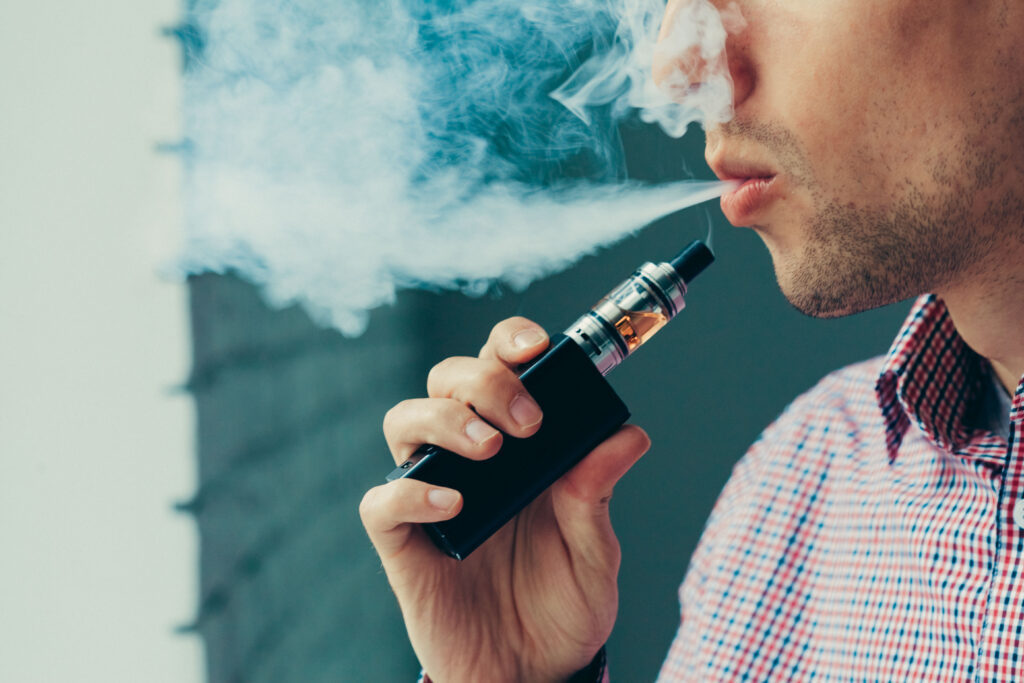
Starting in July, House Bill 2504 seeks to raise the excise tax on each cigarette or small cigar from 16 cents to 18 cents. However, in its latest version, the tax rate will no longer increase but will instead expand to include vaporized products including e-cigarette devices and e-liquid.
This bill is part of a plan by the state governor, Josh Green, aimed at increasing state revenue to support the University of Hawaii Cancer Research Center, while also reducing nicotine consumption.
This tax measure has received support from the state health department, the American Cancer Society, the Pacific Health Organization, and many other health advocates. They argue that increasing the price of tobacco products will effectively reduce tobacco consumption. However, organizations such as Hawaii retailers and the Hawaii Smokers Alliance oppose this proposal, arguing that increasing taxes will impact local small businesses and potentially lead to a black market.
The latest version of the bill has been amended during the process from the House of Representatives to the Senate back to the House. The originally proposed sales tax has been revised back to 16 cents per pack of cigarettes, the rate it has been since July 2011. Additionally, the sales tax will now be imposed on cigarettes, e-cigarettes, and e-liquid, but no longer on small cigars.
Although the Honolulu City Council passed Bill 46 to ban the sale of flavored tobacco products, the bill to push for the ban on flavored tobacco products did not move forward during this legislative session. Several bills in this session attempted to restore local autonomy for counties by giving them control over regulating tobacco sales, but Bill 206 currently gives precedence to county regulations on tobacco sales over state laws, causing the bill aimed at repealing the state law to be delayed early in the session.
Health advocates from various anti-smoking organizations have expressed opposition to the legislation and are calling on lawmakers to take action against "big tobacco companies."
We welcome news tips, article submissions, interview requests, or comments on this piece.
Please contact us at info@2firsts.com, or reach out to Alan Zhao, CEO of 2Firsts, on LinkedIn
Notice
1. This article is intended solely for professional research purposes related to industry, technology, and policy. Any references to brands or products are made purely for objective description and do not constitute any form of endorsement, recommendation, or promotion by 2Firsts.
2. The use of nicotine-containing products — including, but not limited to, cigarettes, e-cigarettes, nicotine pouchand heated tobacco products — carries significant health risks. Users are responsible for complying with all applicable laws and regulations in their respective jurisdictions.
3. This article is not intended to serve as the basis for any investment decisions or financial advice. 2Firsts assumes no direct or indirect liability for any inaccuracies or errors in the content.
4. Access to this article is strictly prohibited for individuals below the legal age in their jurisdiction.
Copyright
This article is either an original work created by 2Firsts or a reproduction from third-party sources with proper attribution. All copyrights and usage rights belong to 2Firsts or the original content provider. Unauthorized reproduction, distribution, or any other form of unauthorized use by any individual or organization is strictly prohibited. Violators will be held legally accountable.
For copyright-related inquiries, please contact: info@2firsts.com
AI Assistance Disclaimer
This article may have been enhanced using AI tools to improve translation and editorial efficiency. However, due to technical limitations, inaccuracies may occur. Readers are encouraged to refer to the cited sources for the most accurate information.
We welcome any corrections or feedback. Please contact us at: info@2firsts.com