Marcell Biró, the director of the Hungarian Regulatory Supervision Authority, announced the results of a video contest with a certain brand of electronic cigarettes in Budapest. 12 high school students received the Dr. award for creating short films warning their peers about the hidden dangers of electronic cigarettes, specifically disposable e-cigarette devices.
The competition clips are available for public viewing and can also be shared on social media, highlighting not only the dangers of electronic cigarettes but also the social opposition against their use.
For over a decade, Hungary has been actively working to reduce underage smoking.
Dr. Zoltán Maruzsa, State Secretary for Education, emphasized that schools are not only a place for students to learn subjects, but also a place to provide education. Schools educate children to protect their health, combat behavior deemed inappropriate by society, set an example for children, and point out the difference between right and wrong.
A single e-cigarette device contains the equivalent of three to sixteen packs of cigarettes worth of nicotine, and users are unable to control the amount of nicotine they inhale with each use. Inhaling nicotine can cause chest pain, dizziness, vomiting, and even coughing up blood.
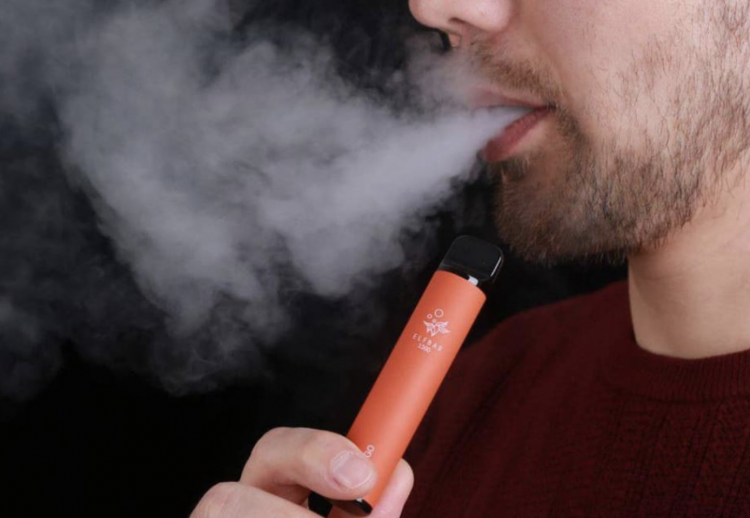
The Elf Bar is a type of disposable electronic cigarette that comes with a pre-filled battery and liquid. It has become increasingly popular among young people in recent months.
This product is specifically designed for young people and due to its several flavors, it quickly becomes addictive.
The story of e-cigarettes began with a successful American product named JUUL, which was then replicated in China and gave birth to the current products on the market.
Due to being a banned product in Hungary, a certain brand of e-cigarettes is being distributed through an increasing number of black market dealerships and has ended up in the hands of minors.
Hungarian authorities are currently monitoring packages from China and trying to identify individuals who are bringing nicotine products into the country. In many cases, it has been reported that these products are coming from Slovakia. In September, the Hungarian Competition Authority reportedly ordered the temporary closure of two online shops owned by Slovakians that were promoting electronic cigarettes to Hungarian customers.
Bence Rétvári, the Political State Secretary of the Ministry of Interior, has issued a warning stating that a certain brand of electronic cigarette is particularly dangerous due to its unknown, untested, and unreliable ingredients, as well as its extremely high nicotine content. He emphasized that the government takes action to protect the health of young people as soon as illegal products appear.
Although there is no binding regulation at the EU level, in Hungary, not only the sale but also the possession of this product is illegal.
The parliament was forced to take action and passed stricter legislation on July 19th. As a result, retailers of unauthorized tobacco products may face substantial fines as a deterrent.
At the same time, not only do e-cigarettes pose a threat to the health of young people, but energy drinks have also become a fashionable commodity. A large proportion of young people, especially school-aged children, still consume energy drinks, prompting the government to believe that it is important to raise awareness of this issue through various initiatives.
Disclaimer
This article is provided solely for professional research, industry discussion, and informational purposes. Any references to brands, companies, products, technologies, or policies are made for factual reporting and analytical purposes only, and do not constitute endorsement, recommendation, promotion, or advertising by 2Firsts.
Nicotine-containing products, including but not limited to cigarettes, e-cigarettes, heated tobacco products, and nicotine pouches, carry significant health risks. Readers are responsible for complying with all applicable laws and regulations in their respective jurisdictions, including age restrictions and access limitations.
The information contained in this article should not be regarded as investment, legal, medical, regulatory, or commercial advice. While 2Firsts strives to ensure the accuracy and reliability of its content, it does not assume liability for any direct or indirect loss arising from errors, omissions, inaccuracies, or reliance on the information contained herein.
This article is not intended for individuals below the legal age for accessing tobacco or nicotine-related information in their jurisdiction.
Copyright Notice
This article is either original content produced by 2Firsts or content reproduced, translated, summarized, or adapted from third-party sources with attribution where applicable. The intellectual property rights of the original content remain with 2Firsts or the respective original rights holders.
No individual or organization may copy, reproduce, distribute, republish, modify, translate, or otherwise use this content without prior authorization. Any unauthorized use may result in legal action.
For copyright-related inquiries, corrections, or removal requests, please contact: info@2firsts.com.
AI-Assisted Translation and Editing Notice
Portions of this article may have been translated, edited, or reviewed with the assistance of artificial intelligence tools to improve efficiency and readability. Due to the limitations of AI-assisted translation and editing, discrepancies, omissions, or inaccuracies may exist when compared with the original source.
Where applicable, readers are advised to refer to the original source for the most complete and accurate information. If you identify any errors or believe that any content infringes upon your rights, please contact us at info@2firsts.com, and we will review and address the matter promptly.