Illegal Cigarettes and E-cigarettes Seized in Hertfordshire Store

Aug.14.2024
Illegal Cigarettes and E-cigarettes Seized in Hertfordshire Store
Thousands of illegal cigarettes and e-cigarettes were seized in a store in Rickmansworth, Hertfordshire, by trading standards officials.

According to a report from the Watford Observer on August 14th, the Trading Standards agency of Hertfordshire County, England, seized thousands of illegal cigarettes and e-cigarette products from a store located in Rickmansworth.

Illegal Cigarettes and E-cigarettes Seized in Hertfordshire Store
Illegal cigarettes and e-cigarette products were discovered during the inspection on August 6th. | Image source: Hartford County Trading Standards Bureau.


In the afternoon of August 6, inspectors raided the store and found 3500 illegal cigarettes and over 300 illegal e-cigarettes being sold.

Illegal Cigarettes and E-cigarettes Seized in Hertfordshire Store
100 e-cigarette products seized on the same day | Image source: Hartford County Trading Standards Bureau


According to a spokesperson for the county council, the capacity of the e-liquid in these e-cigarettes exceeds the legal limits and has not been registered with the Medicines and Healthcare products Regulatory Agency.


In addition, these illegal cigarettes were found to have incorrect warning signs and labels, and had not paid the relevant taxes.


On the same day, inspectors found and seized over 1500 cigarettes and 100 e-cigarettes in another store in the northern part of Hertfordshire. The seized products included the e-cigarette brand "HAYATI.


The spokesperson stated, "We are currently investigating the location and items seized, and it is still unclear what the outcome of the investigation will be.


The county council has refused to disclose the name and address of the store, as an investigation is ongoing.


If prosecuted, the store could face fines of up to £10,000 and could potentially lose its business license after a second offense.


We welcome news tips, article submissions, interview requests, or comments on this piece.

Please contact us at info@2firsts.com, or reach out to Alan Zhao, CEO of 2Firsts, on LinkedIn


Notice

1.  This article is intended solely for professional research purposes related to industry, technology, and policy. Any references to brands or products are made purely for objective description and do not constitute any form of endorsement, recommendation, or promotion by 2Firsts.

2.  The use of nicotine-containing products — including, but not limited to, cigarettes, e-cigarettes, nicotine pouchand heated tobacco products — carries significant health risks. Users are responsible for complying with all applicable laws and regulations in their respective jurisdictions.

3.  This article is not intended to serve as the basis for any investment decisions or financial advice. 2Firsts assumes no direct or indirect liability for any inaccuracies or errors in the content.

4.  Access to this article is strictly prohibited for individuals below the legal age in their jurisdiction.


Copyright


This article is either an original work created by 2Firsts or a reproduction from third-party sources with proper attribution. All copyrights and usage rights belong to 2Firsts or the original content provider. Unauthorized reproduction, distribution, or any other form of unauthorized use by any individual or organization is strictly prohibited. Violators will be held legally accountable.

For copyright-related inquiries, please contact: info@2firsts.com


AI Assistance Disclaimer


This article may have been enhanced using AI tools to improve translation and editorial efficiency. However, due to technical limitations, inaccuracies may occur. Readers are encouraged to refer to the cited sources for the most accurate information.

We welcome any corrections or feedback. Please contact us at: info@2firsts.com

Philippines Mandates Safety Certification for Nicotine Pouches, Gives Industry 12 Months to Comply
The Philippines Department of Trade and Industry has placed nicotine pouches under mandatory product certification through Department Administrative Order No. 26-07, Series of 2026. Nicotine pouches must obtain a Philippine Standard, or PS, license before they can be manufactured, imported, packed, distributed or sold in the country. The regime requires testing for nicotine content, pH and water activity, while packaging must disclose nicotine strength, ingredients, allergens, batch information, the PS certification mark and prescribed health warnings. Existing market participants have a 12-month transition period to comply.
Regulations
Oct.12
IKE Tech Launches IKE 2.0 Compliance Platform for Nicotine Products
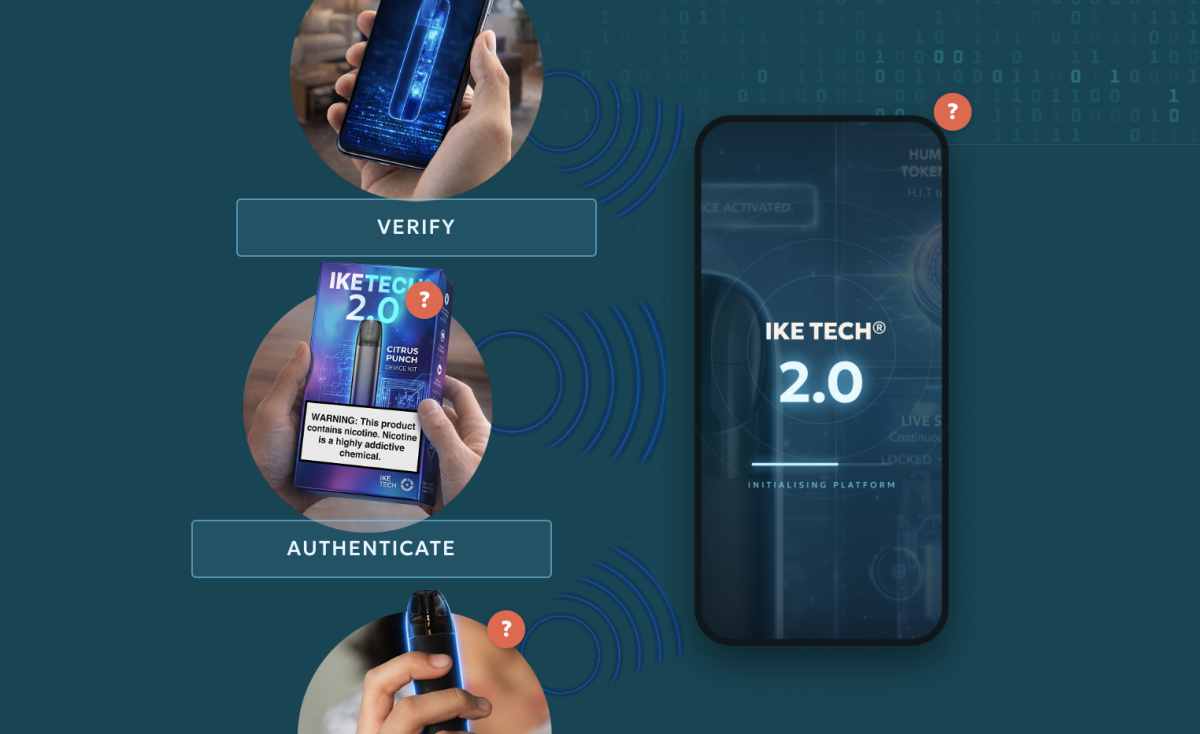
IKE Tech launched IKE 2.0 on September 28, initially targeting nicotine products with a platform that combines user identity verification, product authentication, configurable policy controls and data analytics. Products can be authenticated through direct device integration or NFC smart tags. IKE Tech was formed with participation from Ispire's Aspire North America, Berify and Chemular, with Ispire currently holding a 40% interest. Its age-verification component PMTA was accepted by the FDA in 2025 and remains under review. The company did not disclose customer names, commercial deployment volumes, pricing or revenue tied to IKE 2.0.
News
Sep.29 by 2Firsts Perspectives
How Investors Are Repricing the Global Tobacco Industry as Nicotine Markets Shift
How are investors reassessing the global tobacco industry as nicotine markets evolve? In an interview with 2Firsts, Charlie Chen, Head of Research at CCB International Securities, forecasts annual growth of 30–50% for nicotine pouches, outpacing vaping and heated tobacco. He examines how regulatory enforcement, shifting market shares and new business models are influencing company valuations. The report also explores differences between multinational tobacco groups and Chinese companies, drawing on insights from the New Approaches Summit on profitability, investment strategies and industry consolidation.
Nov.11
Italy Proposes Earlier Vape and HTP Tax Hikes, New Rules for E-Liquid Pricing, Exclusive Deals and Distribution
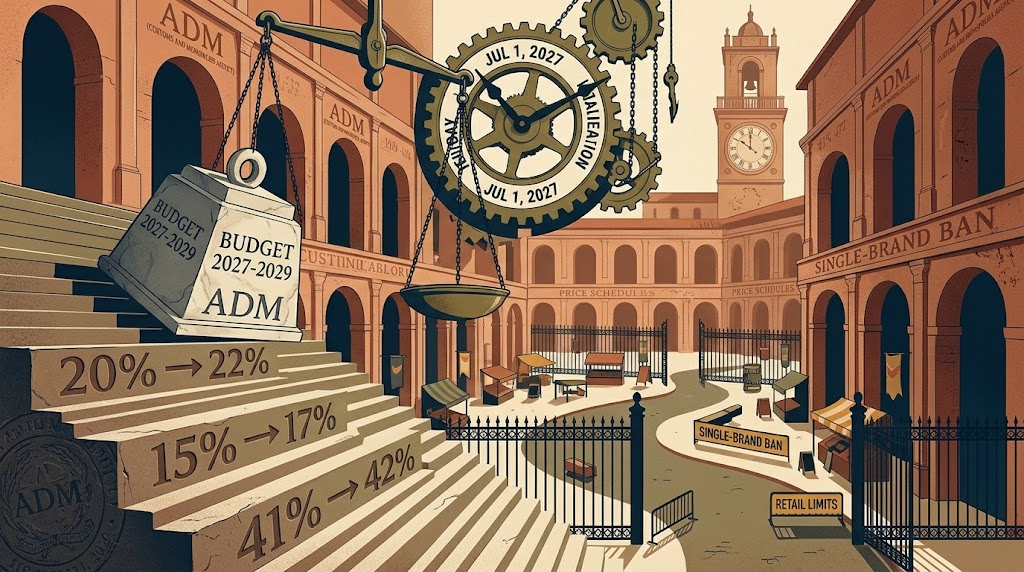
Italy's proposed 2027–2029 budget would bring forward scheduled tax increases for e-cigarette liquids and heated tobacco products from January 1, 2028, to July 1, 2027. The consumption tax coefficient for nicotine-containing e-liquids would rise from 20% to 22%, that for nicotine-free liquids and applicable flavorings from 15% to 17%, and the heated-tobacco coefficient from 41% to 42%. The bill would also introduce official retail price schedules for e-liquids, restrict exclusive agreements between retailers and suppliers, and limit single-brand-dominated displays, sales incentives and bundled offers. Importing, authorized warehousing and retailer sourcing arrangements would also change. The proposals remain subject to parliamentary approval and subsequent implementing regulations.
Regulations
Nov.04
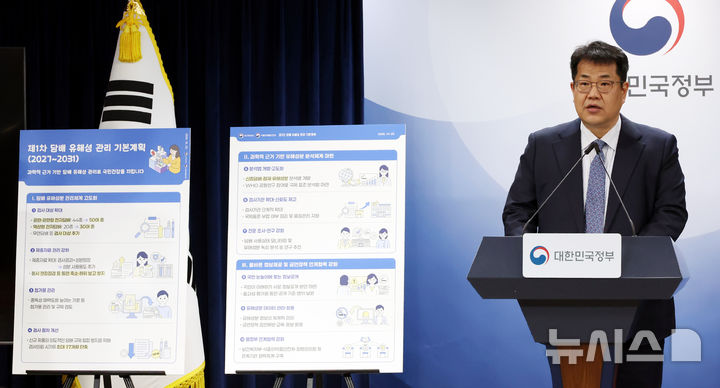
South Korea's Tobacco Plan Excludes 6-Methyl Nicotine as Customs Tightens Import Controls and Analog Liquid Imports Fall 83%
South Korea's government unveiled its first Tobacco Harm Management Basic Plan for 2027–2031 on October 29, 2026, proposing broader testing of vaping and heated tobacco products while excluding nicotine analogs such as 6-methyl nicotine. Synthetic nicotine came under tobacco regulation on April 24, and a June investigation found 6-methyl nicotine in 12 liquid inhalation products marketed as nicotine-free. Customs data released in September showed that imports of nicotine analog solutions fell 83.3%, from 12 metric tons in January–April to 2 metric tons in May–August. By September 20, imports had reached approximately 15 metric tons for the year, with 99.99% originating from China. Customs authorities have tightened pre-clearance testing and supply-chain documentation requirements, while the MFDS expects to complete its assessment of nicotine analog hazards by the end of 2026.
Regulations
Nov.04
North Carolina Tightens Vape Product Directory Enforcement, Expands State and Local Powers as Violators Face Fines, Product Seizures and License Suspension or Revocation
North Carolina has expanded enforcement of its vapor product directory rules, authorizing more state and local law enforcement participation and establishing a task force led by the State Bureau of Investigation. The legislation requires at least one unannounced compliance inspection annually for retailers, distributors and wholesalers handling covered products. Penalties effective October 1, 2026, include civil fines of $500–$750 for a first violation and $1,000–$1,500 for repeated violations within 12 months, along with potential license suspension or revocation. Manufacturers may face penalties of $10,000 per unlisted product. The measures strengthen the product directory system established in 2024.
Regulations
Oct.28