Illegal Possession of Drugs: Polish Man Faces 10-Year Sentence

Regulations by 2FIRSTS.ai
Nov.28.2023
Illegal Possession of Drugs: Polish Man Faces 10-Year Sentence
A housing in Lublin, Poland drew police attention due to excessive noise, leading to the discovery of drugs and illegal e-cigarettes.

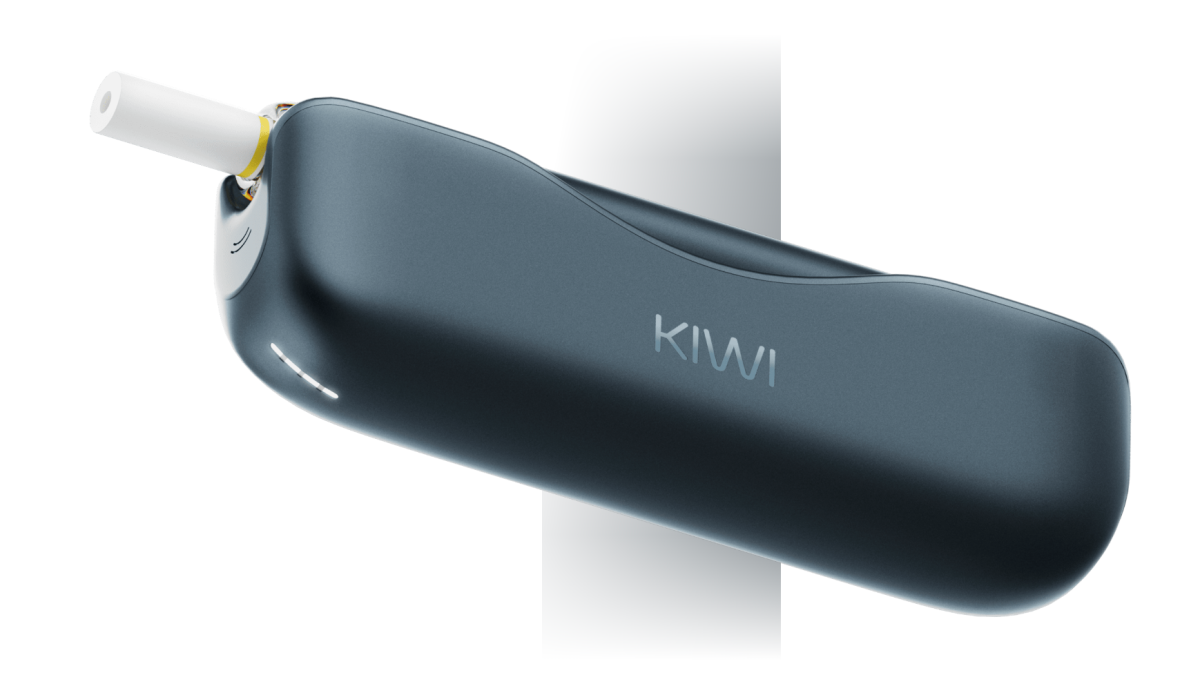
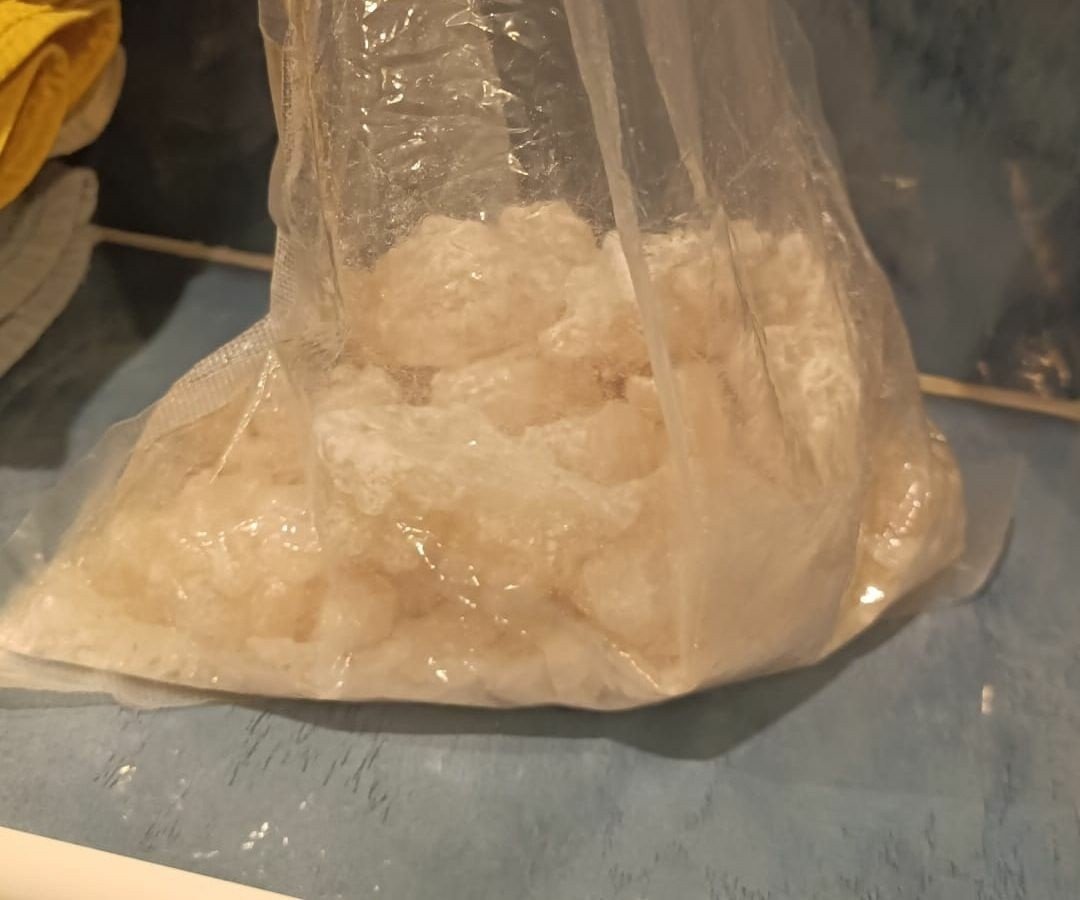
In recent days, a housing property in Lublin, Poland, attracted police attention due to excessive nighttime noise. During the investigation, the police discovered a quantity of drugs and illegal e-cigarettes, leading to the detention of all individuals present at the scene.


After conducting a further search of the 24-year-old man's room, the authorities have discovered 850 grams of ephedrine and 200 e-cigarettes without the required Polish tax stamps.


Currently, a 24-year-old man has been charged with the illegal possession of a large quantity of drugs. According to the court's decision, he will be temporarily detained for three months and could potentially face a maximum sentence of 10 years imprisonment.


We welcome news tips, article submissions, interview requests, or comments on this piece.

Please contact us at info@2firsts.com, or reach out to Alan Zhao, CEO of 2Firsts, on LinkedIn


Notice

1.  This article is intended solely for professional research purposes related to industry, technology, and policy. Any references to brands or products are made purely for objective description and do not constitute any form of endorsement, recommendation, or promotion by 2Firsts.

2.  The use of nicotine-containing products — including, but not limited to, cigarettes, e-cigarettes, nicotine pouchand heated tobacco products — carries significant health risks. Users are responsible for complying with all applicable laws and regulations in their respective jurisdictions.

3.  This article is not intended to serve as the basis for any investment decisions or financial advice. 2Firsts assumes no direct or indirect liability for any inaccuracies or errors in the content.

4.  Access to this article is strictly prohibited for individuals below the legal age in their jurisdiction.


Copyright


This article is either an original work created by 2Firsts or a reproduction from third-party sources with proper attribution. All copyrights and usage rights belong to 2Firsts or the original content provider. Unauthorized reproduction, distribution, or any other form of unauthorized use by any individual or organization is strictly prohibited. Violators will be held legally accountable.

For copyright-related inquiries, please contact: info@2firsts.com


AI Assistance Disclaimer


This article may have been enhanced using AI tools to improve translation and editorial efficiency. However, due to technical limitations, inaccuracies may occur. Readers are encouraged to refer to the cited sources for the most accurate information.

We welcome any corrections or feedback. Please contact us at: info@2firsts.com

Malaysia Nicotine Vape Market Faces Legal Uncertainty Over Tax and Poisons List Ruling
Malaysia’s Finance Minister Anwar Ibrahim said duties and taxes on nicotine-containing vape products will be determined in line with the Court of Appeal’s ruling on whether liquid or gel nicotine can be exempted from the Poisons List under the Poisons Act 1952, a case that could affect the legal basis for vape taxation, retail sales and future ban policy.
Jun.29
Tobacco Farming in the New Nicotine Era: Why Indian Farmers Struggle to Transition — Contributed by Samrat Chowdhery
In this contributed article to 2Firsts, Mumbai-based journalist and harm reduction advocate Samrat Chowdhery examines India’s tobacco transition from the perspective of agriculture, supply chains and regulation. As noted by 2Firsts, India offers a relevant case for understanding how new nicotine technologies may affect not only consumption, trade and policy, but also tobacco farming.
Special Report
May.29
Global Tobacco Control Faces Regional Adaptation Test as Nicotine Markets Evolve, Asian Specialist Says
As e-cigarettes, heated tobacco products and nicotine pouches expand across global markets, a central question is gaining urgency: can tobacco control rely on a universal policy model? In an interview with 2Firsts, Asian public health and addiction medicine specialist Dr. Rashidi Mohamed bin Pakri Mohamed says Western experience remains relevant, but policies must be adapted to local culture, healthcare systems, enforcement capacity, illicit markets and clinical evidence.
Jul.08
Australian State Targets Illegal Tobacco Retailers With Tougher Closure Powers
According to Reuters, Australia’s state of Victoria introduced legislation to give police and the state tobacco licensing regulator stronger powers to shut businesses selling illegal tobacco, with non-compliant operators facing fines of more than A$2.4 million and up to 20 years in prison.
Jun.05
  South Korea Reopens Cigarette Tax Debate as 63% Back Higher Tobacco Taxes
South Korea Reopens Cigarette Tax Debate as 63% Back Higher Tobacco Taxes
South Korea’s cigarette tax debate has resurfaced after the Ministry of Health and Welfare said tobacco price policy needed review, with a poll showing 63% of respondents support higher tobacco taxes.
Regulations
Jun.22
Trump’s Tobacco Investments and Industry Donations Draw Scrutiny as FDA Eases Vape and Nicotine Pouch Rules
A report by KFF Health News says that as the Trump administration pursued a series of policies favorable to the nicotine and tobacco industry, President Donald Trump increased his holdings in tobacco companies while benefiting from substantial industry-linked political donations, prompting questions from public health advocates about potential conflicts of interest and regulatory direction.
Jun.12