Illegal Transportation of E-Cigarettes Uncovered in Hanoi by Authorities

Regulations by 2FIRSTS.ai
Mar.27.2024
Illegal Transportation of E-Cigarettes Uncovered in Hanoi by Authorities
Hanoi authorities bust illegal e-cigarette trafficking case in collaboration with quality management team, seizing large quantity of products.

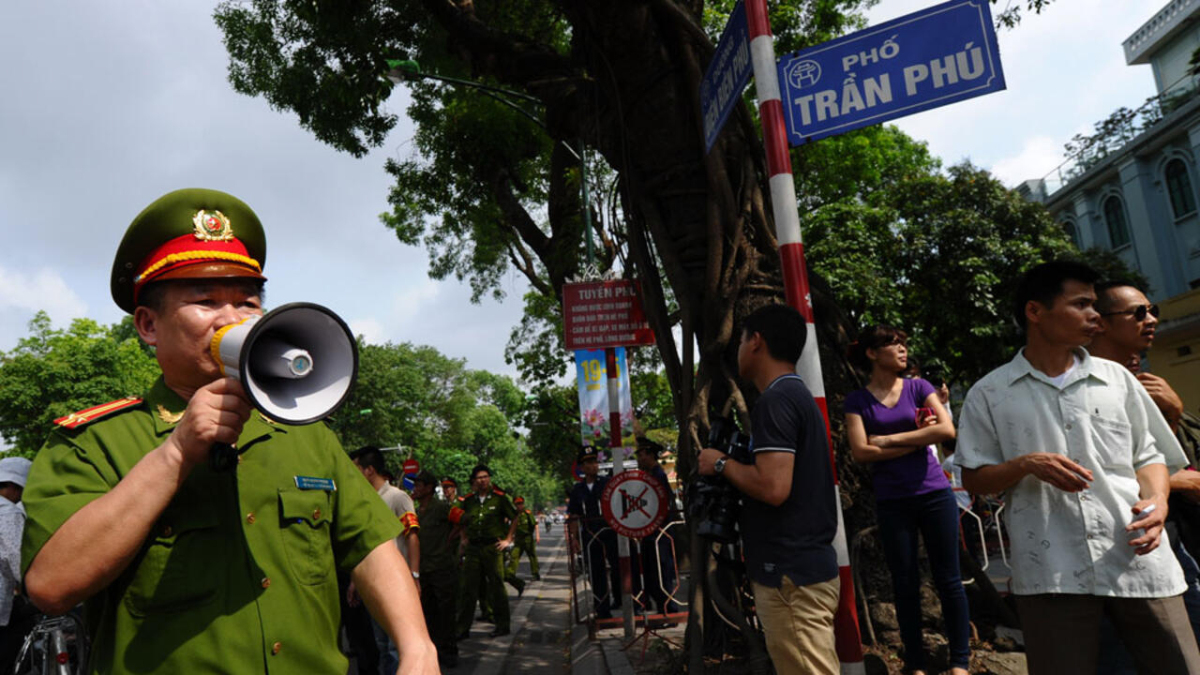
According to Vietnamese media reports on March 26th, the police in Hanoi's West Lake district, in cooperation with the Ninth Quality Management Team, uncovered a case of illegal transportation of a large quantity of e-cigarettes and related products. These e-cigarettes and their related products did not have any invoices or documentation proving their origin.


On the afternoon of March 18, 2024, the sub-bureau of the West Lake District Police and the Ninth Quality Management Team found these illegal goods while inspecting a motorcycle.


During the inspection, the police found a cardboard box on the motorcycle containing 40 e-cigarettes, 157 bottles of e-cigarette oil, and 397 e-cigarette pods. All of these products had foreign labels and no documentation proving their origin. Upon questioning, the individual claimed that they had purchased these items on the market and were selling them at a markup.


The authorities have temporarily detained and sealed these goods, and have imposed administrative penalties on them, detailed the illegal activities. In this operation, the individual was fined 9 million Vietnamese dong (360 US dollars) for illegally selling these goods.


We welcome news tips, article submissions, interview requests, or comments on this piece.

Please contact us at info@2firsts.com, or reach out to Alan Zhao, CEO of 2Firsts, on LinkedIn


Notice

1.  This article is intended solely for professional research purposes related to industry, technology, and policy. Any references to brands or products are made purely for objective description and do not constitute any form of endorsement, recommendation, or promotion by 2Firsts.

2.  The use of nicotine-containing products — including, but not limited to, cigarettes, e-cigarettes, nicotine pouchand heated tobacco products — carries significant health risks. Users are responsible for complying with all applicable laws and regulations in their respective jurisdictions.

3.  This article is not intended to serve as the basis for any investment decisions or financial advice. 2Firsts assumes no direct or indirect liability for any inaccuracies or errors in the content.

4.  Access to this article is strictly prohibited for individuals below the legal age in their jurisdiction.


Copyright


This article is either an original work created by 2Firsts or a reproduction from third-party sources with proper attribution. All copyrights and usage rights belong to 2Firsts or the original content provider. Unauthorized reproduction, distribution, or any other form of unauthorized use by any individual or organization is strictly prohibited. Violators will be held legally accountable.

For copyright-related inquiries, please contact: info@2firsts.com


AI Assistance Disclaimer


This article may have been enhanced using AI tools to improve translation and editorial efficiency. However, due to technical limitations, inaccuracies may occur. Readers are encouraged to refer to the cited sources for the most accurate information.

We welcome any corrections or feedback. Please contact us at: info@2firsts.com

South Korea Rejects 16 Trillion Won Tax-Evasion Claim Over Chinese Synthetic Nicotine
The South Korean government rejected allegations that Chinese synthetic-nicotine e-liquids were linked to about 16 trillion won in tobacco tax evasion, saying China does not ban synthetic nicotine exports and the estimate is difficult to verify, while acknowledging that pre-law synthetic-nicotine inventory is effectively difficult to tax.
Market
Jun.25
U.S. Military Nicotine Policy Sparks Debate as Nicotine Pouches Enter Discussion
An opinion article published by Stars and Stripes argued that the Pentagon’s January nicotine clinical guidelines overemphasize abstinence, fail to reflect the reality that about 30% of active-duty personnel use nicotine, and do not address nicotine pouches as potential harm-reduction products.
Industry Insight
Jun.08
Canada Faces Growing Debate as Youth Nicotine Pouch Use Reaches 34.8%
New Canadian research shows that 34.8% of people aged 17 to 27 have tried nicotine pouches, up more than fourfold from 7.6% in 2022. The findings come as Conservative politicians, Alberta’s government and the tobacco industry push Ottawa to relax current restrictions on pouch sales.
Jun.12
Trump’s Tobacco Investments and Industry Donations Draw Scrutiny as FDA Eases Vape and Nicotine Pouch Rules
A report by KFF Health News says that as the Trump administration pursued a series of policies favorable to the nicotine and tobacco industry, President Donald Trump increased his holdings in tobacco companies while benefiting from substantial industry-linked political donations, prompting questions from public health advocates about potential conflicts of interest and regulatory direction.
Jun.12
Chinese Disposable Brands OXBAR, LYCO Challenge Vuse and JUUL: Pennsylvania’s Pending List Offers a Glimpse of the Future Legal Vape Market
Pennsylvania’s June 26 ENDS Pending Certifications list previews the state’s future legal vape market, placing Vuse, JUUL and Logic alongside Chinese-linked disposable brands OXBAR and LYCO. Shaped by PMTA eligibility and state rules, the list shows competition shifting from market share to market access.
Special Report
Jul.06
ATF Cancels Webloc Contract, Raising Questions Over Commercial Location Data in Enforcement
The U.S. Bureau of Alcohol, Tobacco, Firearms and Explosives (ATF) has stopped using Webloc, a commercial phone-tracking tool, after lawmakers, a prosecutor and a judge raised legal and privacy concerns over warrantless use of ad-tech location data, a development that may affect data-use boundaries in U.S. enforcement against illicit tobacco, nicotine products and cross-border distribution networks.
Jun.29