According to a report by betterretailing on January 12, e-cigarette retailers are facing price increases in the coming months due to the government's planned announcement of a new tax policy.
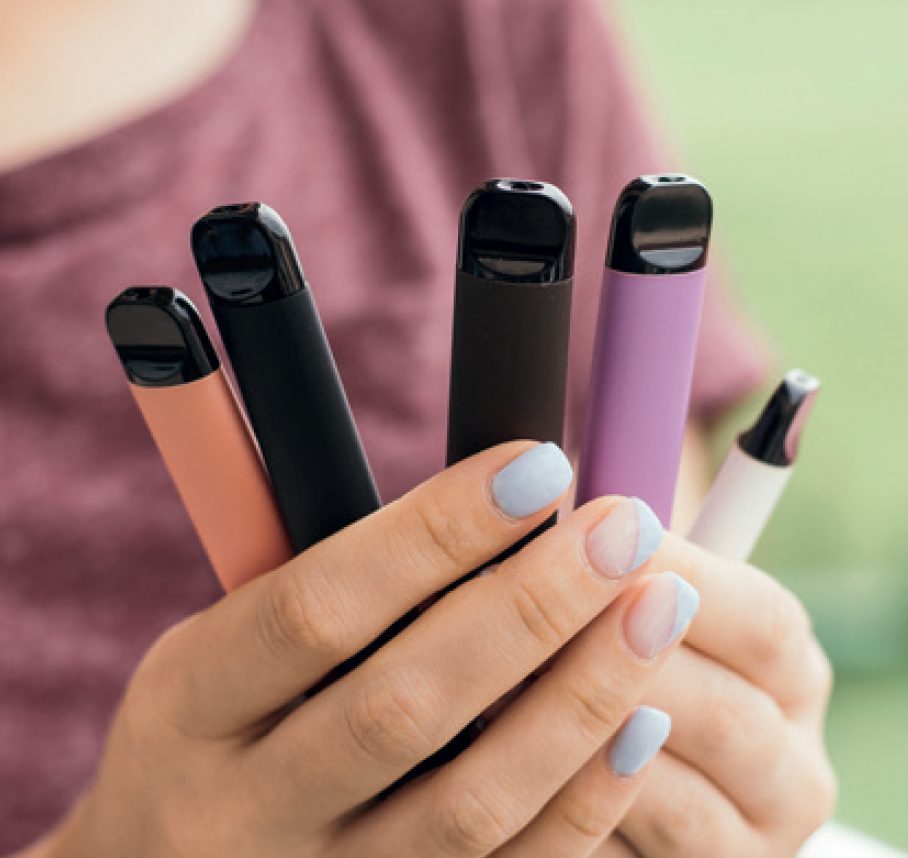
According to The Mirror, the cost of e-cigarettes could increase by at least a quarter, with specific plans set to be officially announced in the budget on March 6th. This move comes after Prime Minister Rishi Sunak revealed a plan to tackle teenage smoking. Proposed measures include imposing a tobacco ban targeted at the younger generation and limiting the flavors and appearance of e-cigarettes to reduce their appeal to children.
In response to concerns over the environment and underage smoking, the government has initiated a consultation process, which includes discussions on whether to increase the price of e-cigarettes to "reduce the number of young people using e-cigarettes." The government's response to the consultation is expected to be released in the near future.
Meanwhile, some well-known brands like Elfbar and Lost Mary have taken action by removing certain "dessert" flavors from their product lines. According to a spokesperson from Elfbar, this renaming and flavor elimination measure is aimed at curbing the appeal of e-cigarettes to children.
Overall, the report highlights the government's determination in addressing issues of youth smoking and environmental protection, while also reflecting that some brands have already started proactively adjusting their products to adapt to potential new regulations.
We welcome news tips, article submissions, interview requests, or comments on this piece.
Please contact us at info@2firsts.com, or reach out to Alan Zhao, CEO of 2Firsts, on LinkedIn
Notice
1. This article is intended solely for professional research purposes related to industry, technology, and policy. Any references to brands or products are made purely for objective description and do not constitute any form of endorsement, recommendation, or promotion by 2Firsts.
2. The use of nicotine-containing products — including, but not limited to, cigarettes, e-cigarettes, nicotine pouchand heated tobacco products — carries significant health risks. Users are responsible for complying with all applicable laws and regulations in their respective jurisdictions.
3. This article is not intended to serve as the basis for any investment decisions or financial advice. 2Firsts assumes no direct or indirect liability for any inaccuracies or errors in the content.
4. Access to this article is strictly prohibited for individuals below the legal age in their jurisdiction.
Copyright
This article is either an original work created by 2Firsts or a reproduction from third-party sources with proper attribution. All copyrights and usage rights belong to 2Firsts or the original content provider. Unauthorized reproduction, distribution, or any other form of unauthorized use by any individual or organization is strictly prohibited. Violators will be held legally accountable.
For copyright-related inquiries, please contact: info@2firsts.com
AI Assistance Disclaimer
This article may have been enhanced using AI tools to improve translation and editorial efficiency. However, due to technical limitations, inaccuracies may occur. Readers are encouraged to refer to the cited sources for the most accurate information.
We welcome any corrections or feedback. Please contact us at: info@2firsts.com