Implementation of Public Health Smoking Control Act in Malaysia

Regulations by 2FIRSTS.ai
May.17.2024
Implementation of Public Health Smoking Control Act in Malaysia
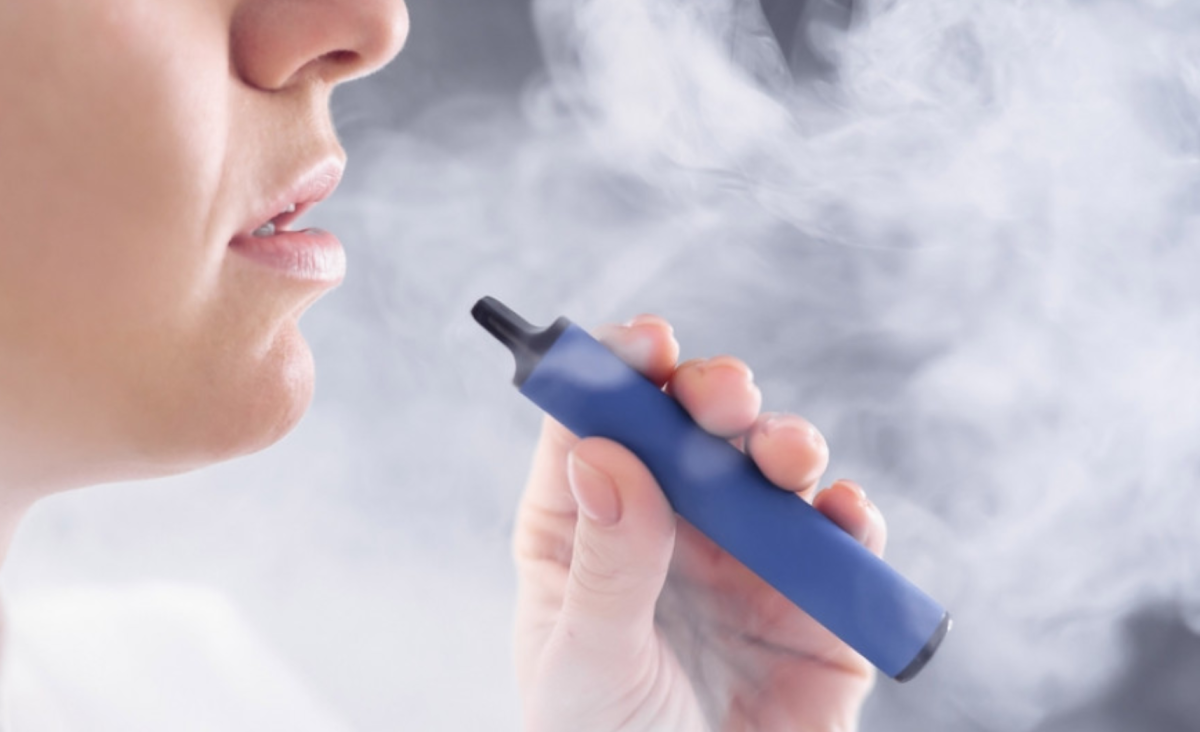
Malaysia Health Ministry to fully enforce Public Health Control of Smoking Product Act as solution to rising e-cigarette use among youth.

The Malaysian Ministry of Health is expected to fully implement the Public Health (Control of Tobacco Products) Regulations 2018 (Act 852) in June next year as a measure to address the increasing issue of young people using e-cigarettes.


Health Minister Dzulkefly Ahmad expressed concern over the use of e-cigarettes among young people, as indicated in the 2023 Global Adult Tobacco Survey (GATS). He emphasized the need for swift and comprehensive action to address this issue.


The enforcement of Bill No. 852 and its regulations and orders will begin in June 2024 in response to the increase in e-cigarette usage. This is part of the Smoking Products Control Act, which also includes regulations for controlling e-cigarettes. We hope that through these orders and regulations, we can address the rising rates of e-cigarette use among young people.


He announced the results of the 2023 national health and morbidity survey on Thursday at a press conference held after the signing of the General Agreement on Trade in Services (GATS) for 2023, focusing on non-communicable diseases, healthcare needs, and services trade.


We welcome news tips, article submissions, interview requests, or comments on this piece.

Please contact us at info@2firsts.com, or reach out to Alan Zhao, CEO of 2Firsts, on LinkedIn


Notice

1.  This article is intended solely for professional research purposes related to industry, technology, and policy. Any references to brands or products are made purely for objective description and do not constitute any form of endorsement, recommendation, or promotion by 2Firsts.

2.  The use of nicotine-containing products — including, but not limited to, cigarettes, e-cigarettes, nicotine pouchand heated tobacco products — carries significant health risks. Users are responsible for complying with all applicable laws and regulations in their respective jurisdictions.

3.  This article is not intended to serve as the basis for any investment decisions or financial advice. 2Firsts assumes no direct or indirect liability for any inaccuracies or errors in the content.

4.  Access to this article is strictly prohibited for individuals below the legal age in their jurisdiction.


Copyright


This article is either an original work created by 2Firsts or a reproduction from third-party sources with proper attribution. All copyrights and usage rights belong to 2Firsts or the original content provider. Unauthorized reproduction, distribution, or any other form of unauthorized use by any individual or organization is strictly prohibited. Violators will be held legally accountable.

For copyright-related inquiries, please contact: info@2firsts.com


AI Assistance Disclaimer


This article may have been enhanced using AI tools to improve translation and editorial efficiency. However, due to technical limitations, inaccuracies may occur. Readers are encouraged to refer to the cited sources for the most accurate information.

We welcome any corrections or feedback. Please contact us at: info@2firsts.com

Australia’s TGA Places Nicotine Pouches Under Therapeutic Goods Rules From July 24, Blocking Imports of Unapproved Products
Australia is strengthening controls on nicotine pouches under its existing therapeutic goods regulatory framework. According to the Therapeutic Goods Administration (TGA), nicotine pouch products must meet regulatory requirements, and unapproved products cannot be legally imported. The move follows Australia’s broader approach of maintaining strict oversight of nicotine products, including nicotine-containing vapes. As nicotine pouches expand globally, Australia’s regulatory approach highlights growing differences in how countries manage emerging smoke-free nicotine products.
Regulations
Jul.27
BP, Marathon and Valero Warn U.S. Gas-Station Stores: Illegal Vape Sales Could Bring Heavy Fines and Card-Processing Limits
Fiserv and service station operators including BP, Marathon Petroleum and Valero have warned U.S. partners and gas-station convenience-store owners that selling illegal vapes could lead to heavy fines, breach brand agreements and even put stores’ card-processing access at risk, according to Reuters.
Regulations
Jul.07 by 2Firsts Perspectives
FDA Sued Over Allowing Some Unauthorized Vapes and Nicotine Pouches to Stay on Market
Public health groups, pediatricians and parents sued the U.S. Food and Drug Administration on July 14, 2026, challenging a May enforcement guidance that they say allows unauthorized e-cigarettes and nicotine pouches to remain on the market while applications are under review.
Jul.15
Canada Recalls Siberia and ZYN Nicotine Pouches Over Unauthorized Sales
Health Canada has issued a nationwide recall for nicotine pouch products sold under the Siberia and ZYN brands, citing a lack of market authorization. All affected lots are subject to the recall.
Jun.15
FDA Foreign Tobacco Registration Proposal Could Strengthen ENDS Import Oversight, Azim Chowdhury Says
FDA’s proposed rule requiring foreign tobacco manufacturers to register establishments and list products is more than routine paperwork, Keller and Heckman LLP partner Azim Chowdhury told 2Firsts. He said it could strengthen FDA’s import enforcement, inspections and market surveillance. Chinese e-cigarette OEM/ODM manufacturers, specification developers, brand owners and component suppliers may need to review their roles, product data and U.S. market authorization status.
Special Report
Jun.29
FTC Scrutinizes Fifty Bar’s “Made in America” Claims as Vape Marketing Faces New Compliance Risk
The Federal Trade Commission sent a warning letter to Lucky Bar Holdings LLC over “Made in the USA” claims tied to Fifty Bar vape products, saying staff had reason to believe the products may be imported in whole or in significant part despite unqualified U.S.-origin marketing claims.
Jul.20