The 44th edition of the InterTabac International Tobacco Exhibition in Dortmund has successfully concluded in September. As a significant event in the global tobacco industry, the exhibition attracted tobacco manufacturers, distributors, retailers, and industry experts from around the world. As the official media partner of this tobacco exhibition, 2Firsts conducted an in-depth discussion with Nina Kupferschmidt, the PR and content manager of the event organizer, exploring the highlights, industry trends, and the challenges and opportunities facing this year's exhibition.

Nina stated that, facing dual challenges of changing consumer demands and stricter government regulations, the tobacco industry is focusing on key issues of sustainability and harm reduction. This year's exhibition attracted numerous international exhibitors and introduced the first ever nicotine pouch industry exchange event, receiving widespread attention.

The first nicotine pouch industry exchange event was attended by over 800 companies.
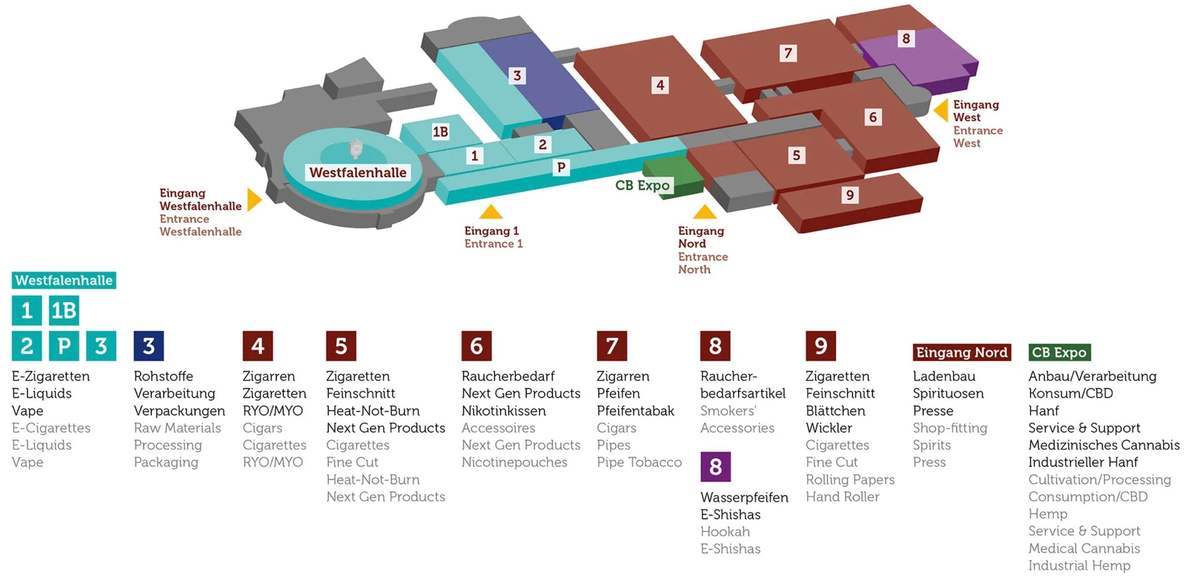
Nina specifically pointed out that at this year's Dortmund Tobacco Expo, the PouchXchange event was introduced for the first time. The main theme of this event was the future development of nicotine pouches and snuff. Nina stated that this event was the highlight of the expo, as it provided an exclusive platform for industry representatives to come together in a relaxed environment. It successfully brought manufacturers, suppliers, retailers, and scientists together, promoting in-depth dialogue and collaboration within the nicotine pouch and snuff industry.
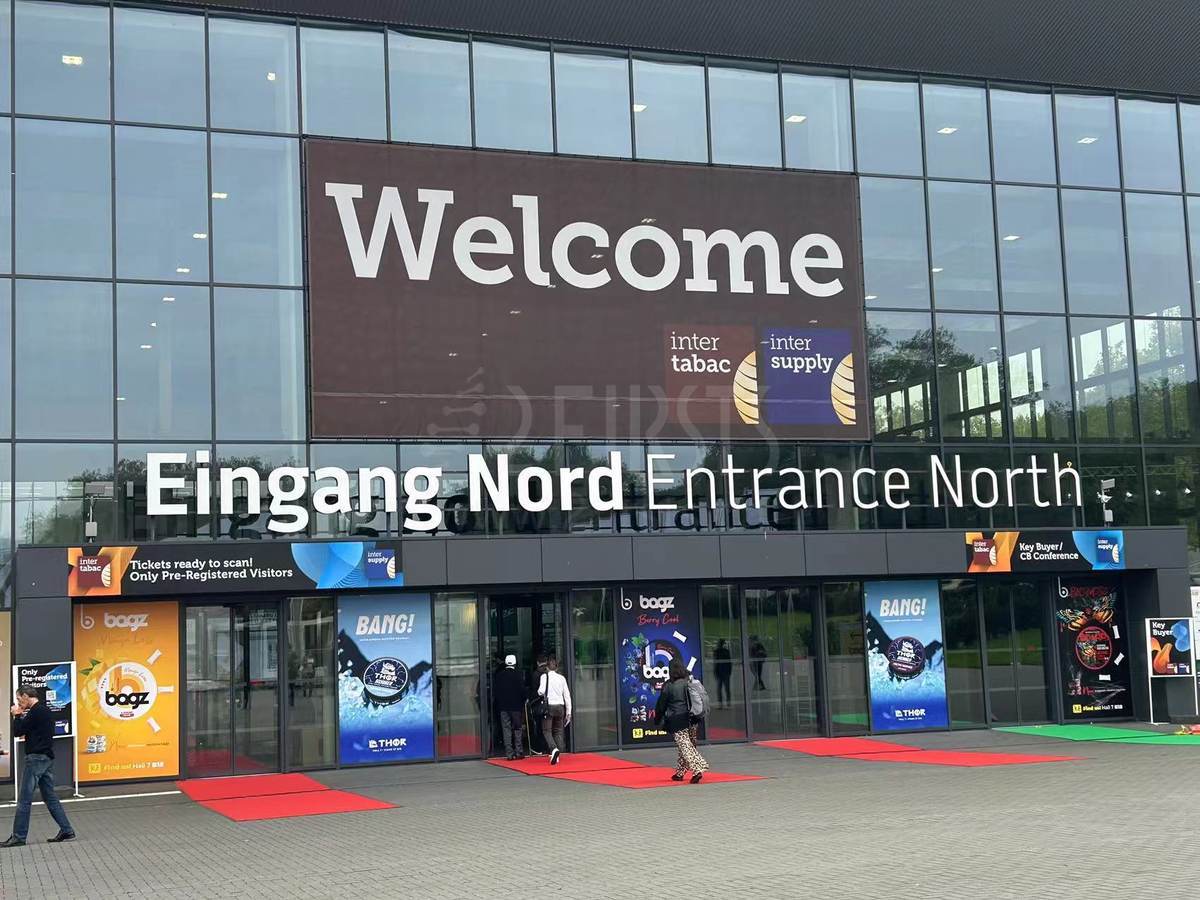
Previously, 2Firsts also discovered at the Dortmund exhibition that nicotine pouches were receiving a lot of attention. Not only did the number of exhibitors significantly increase, but posters of various brands of nicotine pouch products could be seen everywhere outside the exhibition hall.
At the same time, the exhibitors' booths showcased the latest products within the industry. Some exhibitors even launched exclusive product lines targeting trade attendees specifically for the Dortmund Tobacco Exhibition, demonstrating the industry's vitality and spirit of innovation.
Nina mentioned that the tobacco exhibition this time has attracted over 800 exhibitors from nearly 70 countries. Participants can experience products, innovations, and services from all industry sectors in the exhibition hall. Approximately 94% of participants indicated that they would continue to attend the exhibition the following year.
It is worth mentioning that this year's exhibition has seen an increase of nearly 56% in international participants, including professionals from countries such as the United States, Canada, the United Kingdom, Spain, France, as well as South American countries like Ecuador, Brazil, and Argentina. In Asia, participants from China, Indonesia, India, and South Korea have become the main force. Meanwhile, the number of participants from countries such as the United Arab Emirates, South Africa, and Egypt is also quite significant.
In addition, about 44% of the attendees are from Germany, gathering in Dortmund to discuss and exchange the latest trends in the tobacco industry.
Sustainability and minimizing harm are key issues, as the industry faces dual challenges.
Nina mentioned that the key topics at this exhibition are sustainability and harm reduction, which exhibitors are particularly focused on this year. This interest is evident not only in the discussions in the exhibition hall but also in the level of participation in our activities.
Nina mentioned that the exhibition team organized several discussions and presentations on sustainability and harm reduction. The most popular presentations were "The Future of Nicotine Technology: Innovations and Progress in NGP Products" and "Smokeless Nicotine Pouches and Their Potential Contribution to Tobacco Harm Reduction: A Scope Review".
In the face of dynamic changes in the global tobacco industry, Nina believes that the industry is now facing a dual challenge of changing consumer demands and tightening government regulations, especially the former. Manufacturers are constantly addressing these challenges, needing to integrate key issues such as sustainability and harm reduction into product development while meeting customer needs.
Nina stated, "Our goal is to help exhibitors grasp the latest trends, understand regulatory changes in different markets, and incorporate these key issues into their business strategies to drive sustainable development across the industry.
We hope the Dortmund trade show can provide real added value - we can achieve this by maintaining the quality of exhibitors, as well as continuously developing new forms of information dissemination and activities in collaboration with partners based on industry needs.
We welcome news tips, article submissions, interview requests, or comments on this piece.
Please contact us at info@2firsts.com, or reach out to Alan Zhao, CEO of 2Firsts, on LinkedIn
Notice
1. This article is intended solely for professional research purposes related to industry, technology, and policy. Any references to brands or products are made purely for objective description and do not constitute any form of endorsement, recommendation, or promotion by 2Firsts.
2. The use of nicotine-containing products — including, but not limited to, cigarettes, e-cigarettes, nicotine pouchand heated tobacco products — carries significant health risks. Users are responsible for complying with all applicable laws and regulations in their respective jurisdictions.
3. This article is not intended to serve as the basis for any investment decisions or financial advice. 2Firsts assumes no direct or indirect liability for any inaccuracies or errors in the content.
4. Access to this article is strictly prohibited for individuals below the legal age in their jurisdiction.
Copyright
This article is either an original work created by 2Firsts or a reproduction from third-party sources with proper attribution. All copyrights and usage rights belong to 2Firsts or the original content provider. Unauthorized reproduction, distribution, or any other form of unauthorized use by any individual or organization is strictly prohibited. Violators will be held legally accountable.
For copyright-related inquiries, please contact: info@2firsts.com
AI Assistance Disclaimer
This article may have been enhanced using AI tools to improve translation and editorial efficiency. However, due to technical limitations, inaccuracies may occur. Readers are encouraged to refer to the cited sources for the most accurate information.
We welcome any corrections or feedback. Please contact us at: info@2firsts.com