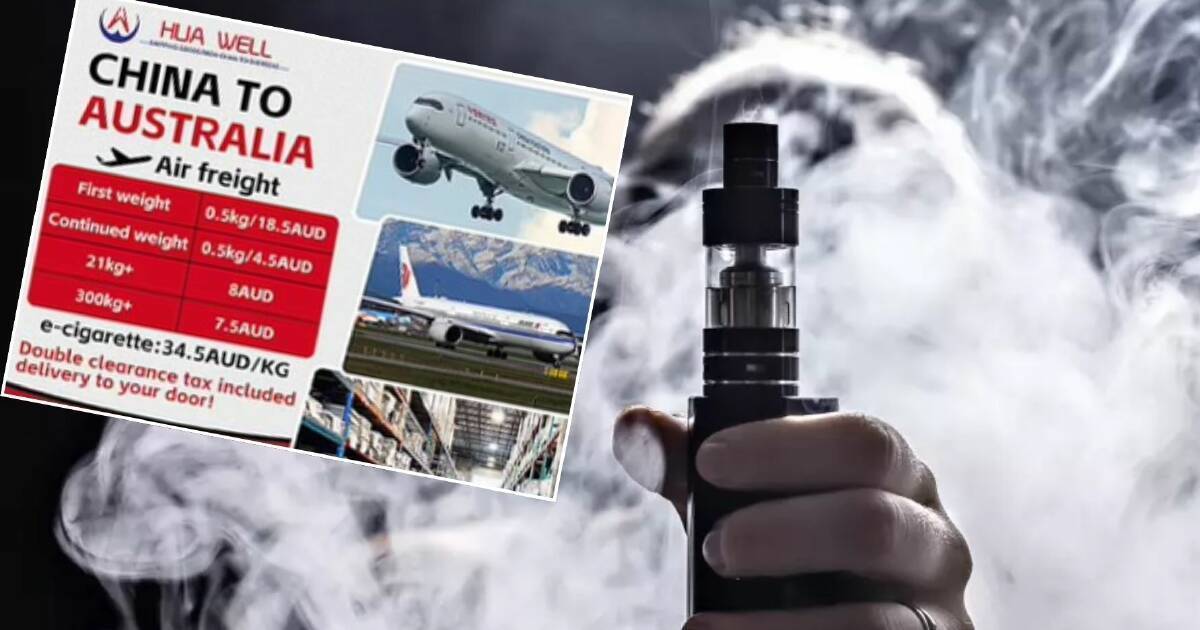
According to a report by the Newcastle Herald on August 27, the Australian Therapeutic Goods Administration (TGA) has launched an investigation into a Chinese freight forwarding company that claims to be able to supply illegal e-cigarette products to buyers by the kilogram.
According to current Australian law, only companies that hold an import permit issued by the Office of Drug Control are allowed to import e-cigarettes into Australia. Importers must also notify the Therapeutic Goods Administration (TGA) if the e-cigarettes meet relevant standards.
In New South Wales, selling non-prescription nicotine e-cigarettes to individuals under the age of 18 could result in a fine of $1650 or six months imprisonment.
Since the nationwide ban on importing disposable e-cigarettes took effect on January 1st, Australian border officials and the Therapeutic Goods Administration (TGA) have seized nearly 4 million e-cigarettes. This is estimated to account for only a small fraction of the e-cigarette products entering the country.
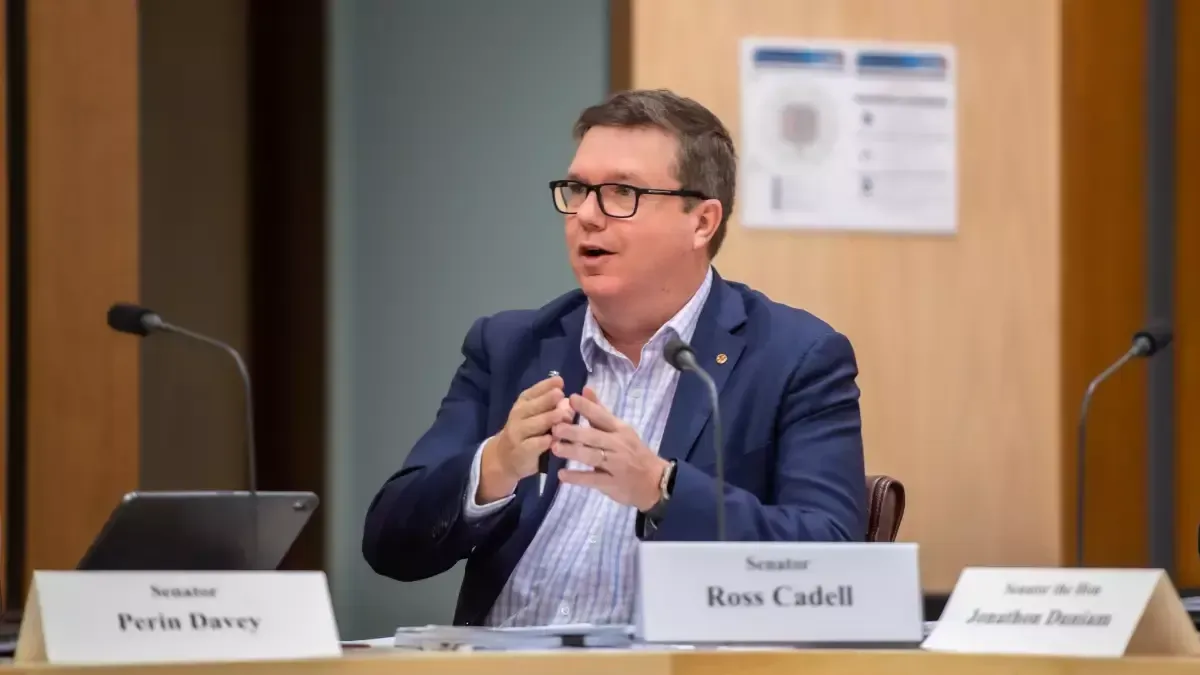
New South Wales Nationals Senator Ross Cadell stated,
A supplier told me that out of every nine batches of goods, one batch will be seized, and this is just a cost of doing business.
Most products are flowing into convenience stores and tobacco shops.
According to the Newcastle Herald, there are at least 10 stores in the city center of Newcastle that sell e-cigarette products.
The Australian Community Media (ACM) emphasized last week that tech giant Meta is promoting the sales of banned e-cigarette devices by allowing advertisements.
The Australian Communications and Media Authority (ACMA) has verified that 15 paid advertising pages running on the Meta platform (including Facebook, Instagram, and Reels) have violated Australian laws and Meta company's advertising standards.
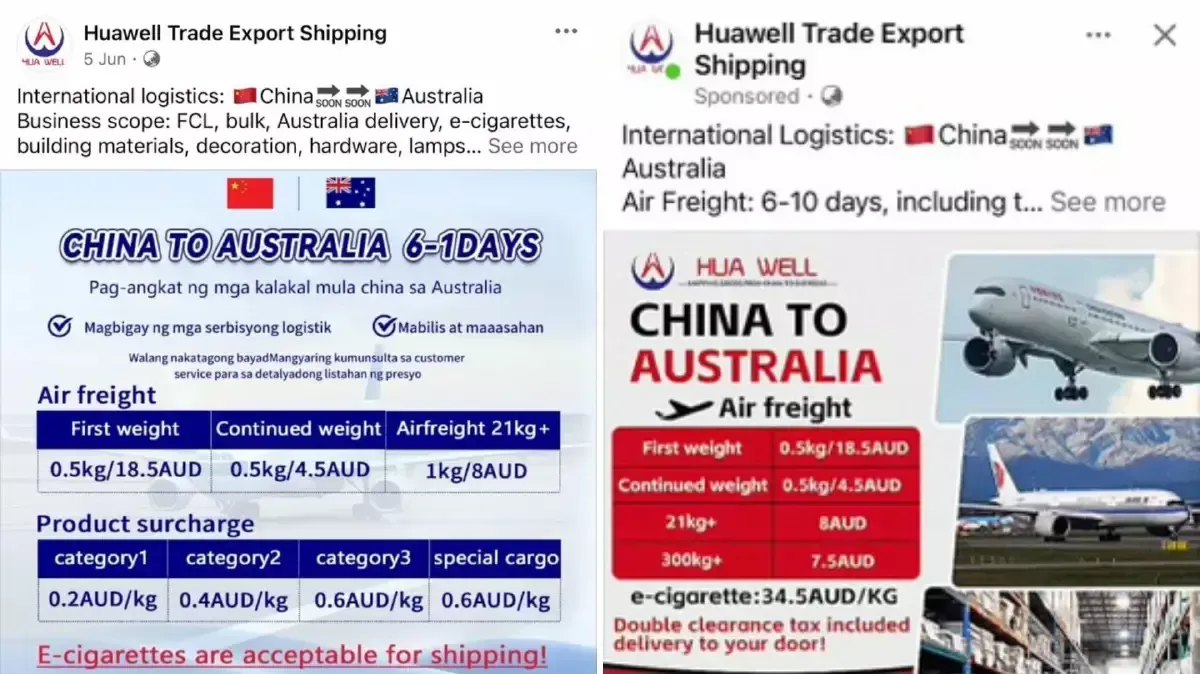
The Newcastle Herald revealed that the Chinese freight forwarding company, Huawell Trade Export Shipping, recently posted an advertisement on Meta website claiming to be able to directly import e-cigarettes to Australia. The company also stated that they can import construction materials, decorations, hardware, and lighting fixtures, and offer to deliver e-cigarettes to buyers' doorsteps at a price of 34.5 Australian dollars per kilogram.
After being alerted by the media, the Australian Department of Health and Aged Care conducted an investigation into the social media post.
A spokesperson stated that...
The company's advertising has been referred to the TGA and is currently under review. The TGA will collaborate with other departments to investigate the company's activities, including allegations of illegal imports, advertising, and supply of e-cigarettes to Australia.
As of this Monday (the 26th), the company still has at least one post remaining on Facebook.
The company did not respond to a request for comment from the Newcastle Herald.
A spokesperson stated that the TGA is closely collaborating with digital platforms, including Meta, to crack down on and remove advertisements for unapproved therapeutic goods and e-cigarette products.
In addition, the TGA can request internet service providers to block websites containing suspected illegal content, including those operated by individuals or companies outside of Australia. This action is only taken when the responsible parties behind overseas websites cannot be identified or when the websites are unwilling to comply with Australian regulations.
A spokesperson from Meta stated last week to ACM that Meta prohibits the buying, selling, or promotion of illegal drugs on its platform, and will remove such content immediately upon discovery.
Senator Kaderl stated that recent legislative changes have not stopped the sale of e-cigarettes, but rather have increased profits from the black market sales.
Since the ban was implemented, the only change I have seen is the prices. A shop that used to sell for 25 to 30 Australian dollars is now selling for 50 to 60 Australian dollars. The ban has only allowed organized crime to make more money, rather than stopping it.
Senator Cardel stated that there are reports suggesting that some young people are turning to purchasing illegal tobacco products because they cannot afford e-cigarettes.
I hope that children will never come into contact with e-cigarettes again, but this is not possible. If they are going to access e-cigarettes, I would prefer it to be regulated products that meet the standards.
We welcome news tips, article submissions, interview requests, or comments on this piece.
Please contact us at info@2firsts.com, or reach out to Alan Zhao, CEO of 2Firsts, on LinkedIn
Notice
1. This article is intended solely for professional research purposes related to industry, technology, and policy. Any references to brands or products are made purely for objective description and do not constitute any form of endorsement, recommendation, or promotion by 2Firsts.
2. The use of nicotine-containing products — including, but not limited to, cigarettes, e-cigarettes, nicotine pouchand heated tobacco products — carries significant health risks. Users are responsible for complying with all applicable laws and regulations in their respective jurisdictions.
3. This article is not intended to serve as the basis for any investment decisions or financial advice. 2Firsts assumes no direct or indirect liability for any inaccuracies or errors in the content.
4. Access to this article is strictly prohibited for individuals below the legal age in their jurisdiction.
Copyright
This article is either an original work created by 2Firsts or a reproduction from third-party sources with proper attribution. All copyrights and usage rights belong to 2Firsts or the original content provider. Unauthorized reproduction, distribution, or any other form of unauthorized use by any individual or organization is strictly prohibited. Violators will be held legally accountable.
For copyright-related inquiries, please contact: info@2firsts.com
AI Assistance Disclaimer
This article may have been enhanced using AI tools to improve translation and editorial efficiency. However, due to technical limitations, inaccuracies may occur. Readers are encouraged to refer to the cited sources for the most accurate information.
We welcome any corrections or feedback. Please contact us at: info@2firsts.com