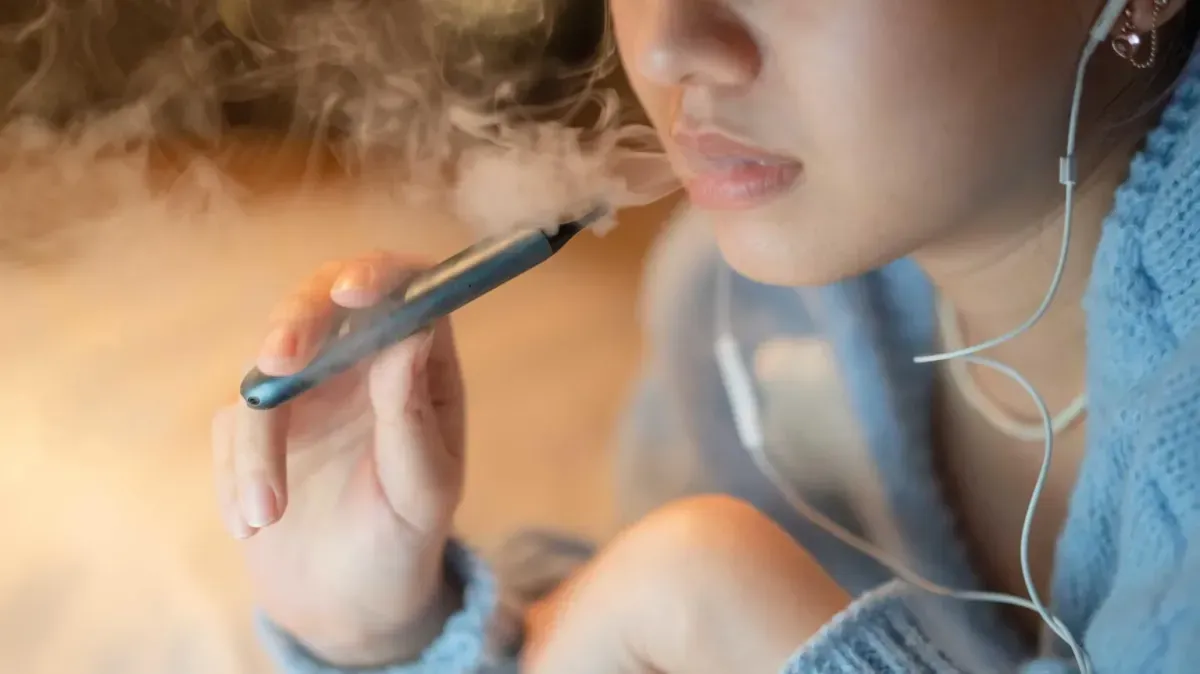
According to a December 21st report by the BBC, Ireland has enacted a new law that prohibits the sale of e-cigarettes to individuals under the age of 18. Offenders of this law could face fines of up to 4,000 euros and a maximum imprisonment of six months. The legislation will come into effect immediately.
Ireland's Minister of Health, Stephen Donnelly, expressed his satisfaction that this ban can be implemented before Christmas.
The ban in the Republic of Ireland is in line with similar laws in the United Kingdom. England and Wales introduced this ban in 2015, followed by Scotland in 2017, and Northern Ireland made amendments to it in 2022.
Donnelly thanked his colleagues in the Irish Parliament, the Oireachtas, stating that they "understood the urgency for our children" and expressed their support for his swift legislation. Donnelly added that there would be a review of further regulations on e-cigarettes and proposals for tobacco control next year.
In November 2023, Health Minister and Minister for Public Health, Hildegaard Norton, initiated a public consultation on the future regulation of e-cigarettes. Norton described this ban as a "positive beginning" in addressing the issues surrounding e-cigarettes. She stated, "Protecting children is at the heart of our country's smoke-free policy, ‘Ireland Smoke-Free,’ and I welcome this significant progress in that direction.
This minister expressed her anticipation for consulting on opinions regarding e-cigarette flavors and packaging. She added, "We know that young people who vape are more likely to start smoking, so it is important not to attract them to these products.
The latest ban aims to implement broader measures to address the issue of youth e-cigarette use. Other countries, such as Australia, have already taken measures to try to curb nicotine addiction in children by prohibiting the use of disposable e-cigarettes and imports.
Earlier this year, the Irish government introduced the Public Health (Tobacco and Nicotine Inhaling Products) Bill 2023 to prevent children from smoking or using nicotine inhaling products.
In addition to prohibiting the sale of such products to individuals under 18 years old, this legislation will also:
Sales of tobacco and nicotine inhalation products are prohibited at children's activities. Measures are being taken to prevent self-service sales of tobacco and e-cigarettes and introduce a strict licensing system for retailing such products. Additionally, advertising of these products is prohibited around schools and on public transportation.
The public consultation on these measures will continue until January 5, 2024.
We welcome news tips, article submissions, interview requests, or comments on this piece.
Please contact us at info@2firsts.com, or reach out to Alan Zhao, CEO of 2Firsts, on LinkedIn
Notice
1. This article is intended solely for professional research purposes related to industry, technology, and policy. Any references to brands or products are made purely for objective description and do not constitute any form of endorsement, recommendation, or promotion by 2Firsts.
2. The use of nicotine-containing products — including, but not limited to, cigarettes, e-cigarettes, nicotine pouchand heated tobacco products — carries significant health risks. Users are responsible for complying with all applicable laws and regulations in their respective jurisdictions.
3. This article is not intended to serve as the basis for any investment decisions or financial advice. 2Firsts assumes no direct or indirect liability for any inaccuracies or errors in the content.
4. Access to this article is strictly prohibited for individuals below the legal age in their jurisdiction.
Copyright
This article is either an original work created by 2Firsts or a reproduction from third-party sources with proper attribution. All copyrights and usage rights belong to 2Firsts or the original content provider. Unauthorized reproduction, distribution, or any other form of unauthorized use by any individual or organization is strictly prohibited. Violators will be held legally accountable.
For copyright-related inquiries, please contact: info@2firsts.com
AI Assistance Disclaimer
This article may have been enhanced using AI tools to improve translation and editorial efficiency. However, due to technical limitations, inaccuracies may occur. Readers are encouraged to refer to the cited sources for the most accurate information.
We welcome any corrections or feedback. Please contact us at: info@2firsts.com