Irish Republicans Pledge to Hike E-Cigarette Prices: €25 Increase in 5 Years

Nov.11.2024
Irish Republicans Pledge to Hike E-Cigarette Prices: €25 Increase in 5 Years
Irish Republicans plan to annually increase excise taxes on e-liquids if re-elected, leading to higher e-cigarette prices, and pledge to implement extensive restrictions on packaging, flavors, points of sale, and advertising.

According to a report by the Irish Mirror on November 11th, if the Republican Party were to come into power again, they would promise to raise the price of e-cigarettes annually.


In the 2025 budget, the government announced that the consumption tax on e-cigarette e-liquid will increase by 50 cents per milliliter. At the time, according to sources, the price of a disposable e-cigarette will increase from 8 euros to 9.23 euros, and the price of a 10 milliliter e-liquid for reusable e-cigarettes will increase by 5 euros.


The Mirror reports that if the Republican Party regains control, they plan to increase the consumption tax on e-cigarette liquid by 50 cents per milliliter annually.


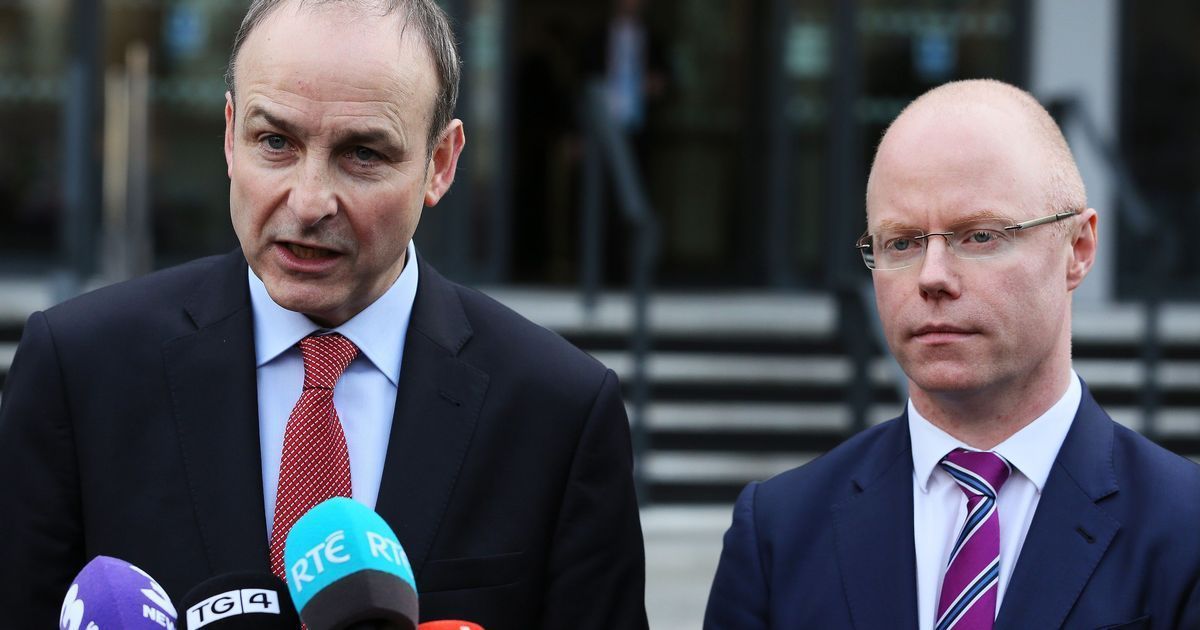
In September, Stephen Donnelly was granted permission to draft legislation to ban the sale of disposable e-cigarettes in Ireland. If disposable e-cigarettes are not banned, a proposed increase in consumption tax by the Republic would raise the price of disposable e-cigarettes by 6.15 euros over the course of the government's five-year term. Additionally, a 50 cent tax increase per milliliter of e-cigarette liquid would result in a cumulative price increase of 25 euros for a 10 milliliter bottle of e-liquid over five years.


The party also promises to impose "broad restrictions" on e-cigarettes, including packaging, flavors, sales points, advertising, and banning the use of e-cigarettes in workplaces, and to work with the government of Northern Ireland to promote the implementation of these policies across the island.

We welcome news tips, article submissions, interview requests, or comments on this piece.

Please contact us at info@2firsts.com, or reach out to Alan Zhao, CEO of 2Firsts, on LinkedIn


Notice

1.  This article is intended solely for professional research purposes related to industry, technology, and policy. Any references to brands or products are made purely for objective description and do not constitute any form of endorsement, recommendation, or promotion by 2Firsts.

2.  The use of nicotine-containing products — including, but not limited to, cigarettes, e-cigarettes, nicotine pouchand heated tobacco products — carries significant health risks. Users are responsible for complying with all applicable laws and regulations in their respective jurisdictions.

3.  This article is not intended to serve as the basis for any investment decisions or financial advice. 2Firsts assumes no direct or indirect liability for any inaccuracies or errors in the content.

4.  Access to this article is strictly prohibited for individuals below the legal age in their jurisdiction.


Copyright


This article is either an original work created by 2Firsts or a reproduction from third-party sources with proper attribution. All copyrights and usage rights belong to 2Firsts or the original content provider. Unauthorized reproduction, distribution, or any other form of unauthorized use by any individual or organization is strictly prohibited. Violators will be held legally accountable.

For copyright-related inquiries, please contact: info@2firsts.com


AI Assistance Disclaimer


This article may have been enhanced using AI tools to improve translation and editorial efficiency. However, due to technical limitations, inaccuracies may occur. Readers are encouraged to refer to the cited sources for the most accurate information.

We welcome any corrections or feedback. Please contact us at: info@2firsts.com

BAT’s Velo Study Finds 61% of Nicotine Users Feel More Comfortable Expressing Themselves When Others Do the Same
British American Tobacco’s (BAT) nicotine pouch brand Velo has released a global consumer study and launched its “Echoes of Tomorrowland” campaign with electronic music festival brand Tomorrowland. The research surveyed 2,009 nicotine users across the UK, Spain, Pakistan, Poland and Austria. Velo said 61% of respondents feel more comfortable expressing themselves when they see others doing the same, while 39% said building meaningful connections becomes harder with age. The campaign reflects how nicotine pouch brands are increasingly using music, communities and lifestyle marketing to build consumer engagement.
Aug.10
Illegal Vape Sellers Still Use TikTok and Other Platforms to Drive Sales Despite Australia’s Ad Ban
Illegal vape sellers are still promoting nicotine products on TikTok, Instagram and YouTube despite Australia’s 2024 advertising ban, while illicit tobacco sales are increasingly moving from physical stores to online marketplaces.
Jul.15
New York’s 75% Wholesale Tax on Nicotine Pouches Takes Effect Sept. 1, With Aug. 31 Inventory Subject to Floor Tax
New York State will extend its tobacco products tax to “alternative nicotine products,” including tobacco-free nicotine pouches, from September 1, 2026, at a rate of 75% of the wholesale price. Distributors, wholesalers and retailers must also inventory products held as of 11:59 p.m. on August 31 and pay a floor tax. Vapor products are excluded from the new category and remain subject to New York's separate 20% supplemental sales tax on the retail price.
Aug.26
Science | International Experts Propose a New Smoking Cessation Pathway, Citing Higher Quit Rates With E-Cigarettes Than Nicotine Replacement Therapy
A new expert paper in JAMA urges U.S. clinicians to include nicotine e-cigarettes in smoking-cessation discussions, citing higher quit rates than nicotine replacement therapy. It also stresses that products must deliver enough nicotine to replace cigarettes, dual use should be brief, and complete switching is the goal. 2Firsts argues the recommendations matter beyond clinics: public-health professionals should reassess relative risk, regulators should preserve sufficient product appeal for adult smokers, and manufacturers should focus on helping users quit cigarettes more sustainably.
SCIENCE
Aug.03 by 2Firsts Perspectives
UAE Sets Dh1-Per-ml Minimum Excise Price for Vape Liquids From Sept. 1 While Keeping 100% Tax Rate
The UAE Ministry of Finance will introduce a minimum excise price for e-liquids used in vaping and electronic smoking devices from September 1, 2026. The minimum excise price will be set at AED 1 per millilitre. The existing 100% excise tax rate will continue to apply to tobacco and electronic smoking products. The measure changes the minimum taxable base rather than the tax rate, with the UAE government saying it aims to establish unified tax standards, improve market compliance and prevent pricing loopholes.
Regulations
Aug.07 by 2Firsts Perspectives
GSTHR Estimates 200 Million People Use Non-Combustible Nicotine Products as 28 Countries Show Rising Use Alongside Falling Smoking Rates
The Global State of Tobacco Harm Reduction, a project operated by Knowledge·Action·Change, estimates that about 200 million people worldwide use non-combustible nicotine products including vapes, heated tobacco, nicotine pouches and snus. Its 2026 report says use of these products rose alongside declining smoking rates in 28 countries it analyzed. The data do not establish that all 200 million users have quit smoking, nor do they prove a direct causal relationship. GSTHR also says regulatory restrictions on the products continue to expand in many markets.
Sep.10