Ispire Launches VLT CBD Pod System to Reduce Environmental Impact of Disposable Products

Nov.26.2024
Ispire Launches VLT CBD Pod System to Reduce Environmental Impact of Disposable Products
Ispire has launched the VLT CBD pod system, which allows consumers to refill pods, reducing costs and improving operational efficiency.

According to a report from the Associated Press on November 25, 2024, Ispire Technology Inc (NASDAQ code: ISPR) has announced the launch of a CBD vape cartridge system called "VLT".

 

Ispire Launches VLT CBD Pod System to Reduce Environmental Impact of Disposable Products
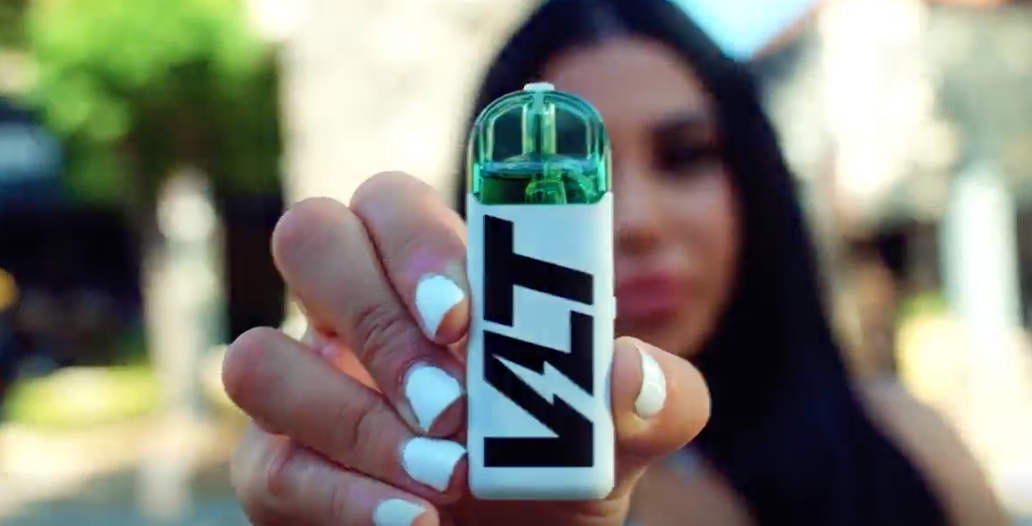
Ispire announces the launch of VLTe e-cigarette pod system | Image source: Linkedin


According to the company, VLT has the following characteristics:


Sustainability and Eco-friendly design: VLT allows consumers to refill pods, with its eco-friendly design including rechargeable batteries and various pod sizes, aimed at reducing electronic waste; Cost and Operational Efficiency: Compared to traditional disposable e-cigarette systems, VLT's refillable pods are more cost-effective. It reduces labor costs and improves production efficiency through the Ispire ONE™ filling machine. The sealed design of VLT preserves natural terpenes in cannabis extracts to enhance product flavor and prolong shelf life; Upgraded 510 Interface Devices (510-thread experience): Offering various pod sizes, colors, and customization options, VLT's sealed pod design prevents terpene evaporation.


The company stated that a portion of the profits from VLT will be donated to organizations dedicated to reducing non-recyclable electronic waste, making it a plastic-neutral product.


Inspire CEO Michael Wang said,


The VLT marks a revolutionary advancement in the field of cannabis inhalation. By combining the familiarity of a 510 interface device with a multi-functional, refillable system, we are providing our partners and consumers with a truly customizable experience, while also addressing the environmental and economic challenges posed by disposable products.


Disposable devices are a major source of electronic waste, but through VLT, consumers not only save money but also reduce their carbon footprint. VLT offers a high-end and sustainable experience without compromising convenience and affordability. This is the ideal solution for multi-state operators (MSOs), single-state operators (SSOs), and brands seeking sustainable growth to provide consumers with smarter and more environmentally friendly alternatives to disposable products.


We welcome news tips, article submissions, interview requests, or comments on this piece.

Please contact us at info@2firsts.com, or reach out to Alan Zhao, CEO of 2Firsts, on LinkedIn


Notice

1.  This article is intended solely for professional research purposes related to industry, technology, and policy. Any references to brands or products are made purely for objective description and do not constitute any form of endorsement, recommendation, or promotion by 2Firsts.

2.  The use of nicotine-containing products — including, but not limited to, cigarettes, e-cigarettes, nicotine pouchand heated tobacco products — carries significant health risks. Users are responsible for complying with all applicable laws and regulations in their respective jurisdictions.

3.  This article is not intended to serve as the basis for any investment decisions or financial advice. 2Firsts assumes no direct or indirect liability for any inaccuracies or errors in the content.

4.  Access to this article is strictly prohibited for individuals below the legal age in their jurisdiction.


Copyright


This article is either an original work created by 2Firsts or a reproduction from third-party sources with proper attribution. All copyrights and usage rights belong to 2Firsts or the original content provider. Unauthorized reproduction, distribution, or any other form of unauthorized use by any individual or organization is strictly prohibited. Violators will be held legally accountable.

For copyright-related inquiries, please contact: info@2firsts.com


AI Assistance Disclaimer


This article may have been enhanced using AI tools to improve translation and editorial efficiency. However, due to technical limitations, inaccuracies may occur. Readers are encouraged to refer to the cited sources for the most accurate information.

We welcome any corrections or feedback. Please contact us at: info@2firsts.com

French Anti-Tobacco Group Questions PMI’s IQOS “Curiosity” Campaign Over Potential Youth Appeal
According to French anti-tobacco group Générations Sans Tabac, Philip Morris International’s (PMI) IQOS “Curiosity” campaign has drawn attention from public health advocates. The group argues that the campaign uses themes including curiosity, exploration and lifestyle branding that could increase interest among younger audiences. PMI has positioned IQOS as a key part of its smoke-free product strategy, while France maintains strict restrictions on tobacco and nicotine product marketing. The debate highlights ongoing tensions between heated tobacco branding strategies and public health concerns in Europe.
Jul.24
Italy Fines PMI €7 Million Over Misleading ‘Smoke-Free Future’ Marketing Claims
Italy’s Competition and Market Authority (AGCM) has fined Philip Morris Italia €7 million, finding that the company’s use of “smoke-free future” and related claims in promoting products such as IQOS, VEEV and ZYN could mislead consumers.
Jun.16
Putin Signs Russia’s Tobacco and Nicotine Product Licensing Law, Banning Unlicensed Sales From 2027
Russian President Vladimir Putin has signed a law introducing mandatory licensing for wholesale and retail trade in tobacco and nicotine-containing products, with the system taking effect on October 1, 2026, and unlicensed operations banned from March 1, 2027, while vape and e-liquid retail may also face uncertainty from temporary regional sales-ban powers.
Jul.01
Special Report|South Korean Lawmaker Queries China Tobacco Regulator Over Synthetic Nicotine as Export-Rule Gaps Emerge
A South Korean lawmaker has asked China’s tobacco regulator to clarify rules for e-cigarettes containing synthetic nicotine amid questions over product declarations and possible tax losses. The dispute exposes gaps between Chinese export requirements and destination-market rules, while underscoring the global impact of China’s licensing and traceability policies.
Jul.10
UK HMRC Plans 30,000 Retail Enforcement Actions as Illegal Tobacco and Vape Sellers Face Tougher Crackdown
The UK government has announced that HM Revenue & Customs (HMRC) will carry out more than 30,000 interventions targeting businesses and retail premises during the 2026-2027 financial year. The actions will focus on tax fraud, illegal goods sales and businesses involved in unlawful activities through retail channels. The government said illegal tobacco and illegal vape sales remain areas of concern. The move shows that UK enforcement against illegal nicotine products is expanding from import and supply channels toward retail-level oversight, alongside the upcoming introduction of the Vaping Products Duty.
Jul.24
U.S. House Defense Bill Includes Pilot Review of Vapes, Nicotine Pouches and Heated Tobacco for Military Smokers
On July 23, 2026, the U.S. House of Representatives passed its version of the Fiscal Year 2027 National Defense Authorization Act (NDAA), which includes Section 707 provisions requiring the Department of Defense to evaluate tobacco use and nicotine alternatives among military personnel. The pilot program would examine products including vapes, nicotine pouches and heated tobacco products, primarily among active-duty service members who continue using combustible tobacco. The provision is a policy evaluation effort, not an authorization for military vaping promotion or a ban on vape products.
Jul.28