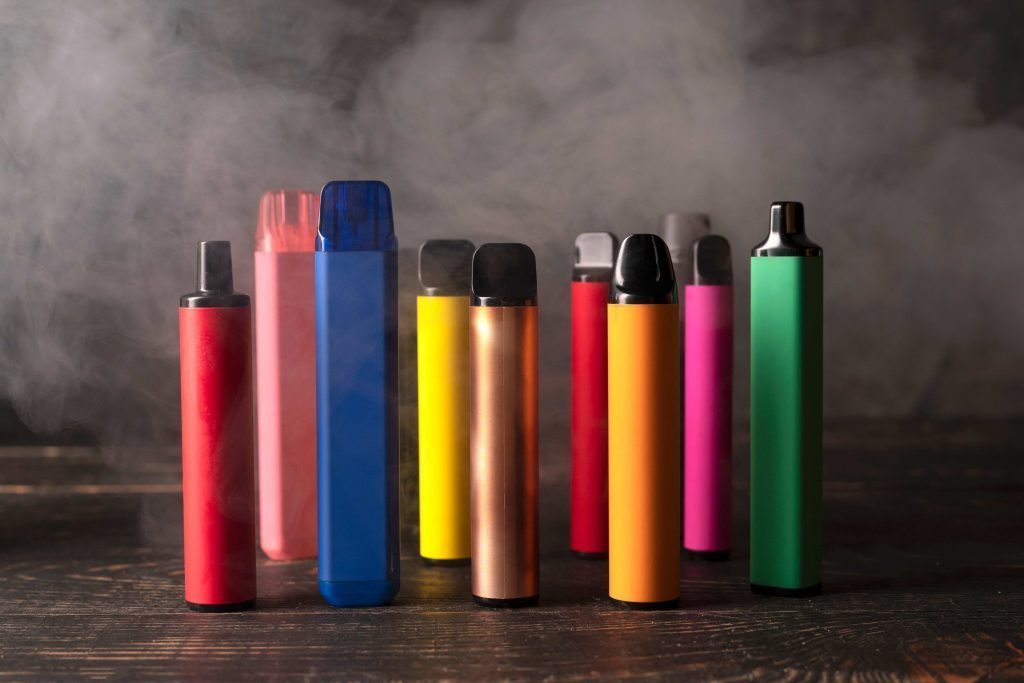
According to a report by the Jersey Evening Post on June 12th, the law banning disposable e-cigarettes is expected to come into effect in Jersey, Britain, in April next year.
On June 11th, Minister of Environment on the island, Steve Luce, confirmed during a federal parliamentary session in response to oral questioning from Deputy Representative Lucy Stephenson. In September this year, the previous government announced plans to ban disposable e-cigarettes for "environmental and health reasons" for the first time, Luce stated that this ban will require public consultation and will be introduced through an extension of the island's disposable plastic laws.
The proposal is expected to be submitted in early September and debated in late October. If approved, the ban will take effect in April 2025, with a six-month implementation period. The Minister of Environment stated that he will send a letter to retailers this week informing them of the decision.
Lus stated that they plan to take further measures to restrict e-cigarette advertising, packaging, and flavors that appeal to young people.
Unfortunately, we know that the use of e-cigarettes among young people in New Jersey is increasing due to the supply, affordability, and marketing of disposable e-cigarettes. I strongly anticipate that future strategies will include regulatory measures to reduce the demand and supply of all e-cigarette products, such as through advertising and packaging restrictions.
He added that it is expected that the Minister of Health will propose regulations for all e-cigarette products, not just disposable ones, including advertising restrictions consistent with tobacco regulations.
We welcome news tips, article submissions, interview requests, or comments on this piece.
Please contact us at info@2firsts.com, or reach out to Alan Zhao, CEO of 2Firsts, on LinkedIn
Notice
1. This article is intended solely for professional research purposes related to industry, technology, and policy. Any references to brands or products are made purely for objective description and do not constitute any form of endorsement, recommendation, or promotion by 2Firsts.
2. The use of nicotine-containing products — including, but not limited to, cigarettes, e-cigarettes, nicotine pouchand heated tobacco products — carries significant health risks. Users are responsible for complying with all applicable laws and regulations in their respective jurisdictions.
3. This article is not intended to serve as the basis for any investment decisions or financial advice. 2Firsts assumes no direct or indirect liability for any inaccuracies or errors in the content.
4. Access to this article is strictly prohibited for individuals below the legal age in their jurisdiction.
Copyright
This article is either an original work created by 2Firsts or a reproduction from third-party sources with proper attribution. All copyrights and usage rights belong to 2Firsts or the original content provider. Unauthorized reproduction, distribution, or any other form of unauthorized use by any individual or organization is strictly prohibited. Violators will be held legally accountable.
For copyright-related inquiries, please contact: info@2firsts.com
AI Assistance Disclaimer
This article may have been enhanced using AI tools to improve translation and editorial efficiency. However, due to technical limitations, inaccuracies may occur. Readers are encouraged to refer to the cited sources for the most accurate information.
We welcome any corrections or feedback. Please contact us at: info@2firsts.com