Joint Operation Seizes Thousands of Illegal E-Cigarettes in Adelaide, Australia

Regulations by 2FIRSTS.ai
Aug.14.2024
Joint Operation Seizes Thousands of Illegal E-Cigarettes in Adelaide, Australia
South Australia Labor government collaborates with federal government in seizing thousands of illegal e-cigarette devices and tobacco products.

According to a report from miragenews on August 13, the South Australian Labor government collaborated with the federal government to seize several thousand illegal e-cigarette devices and over 100 kilograms of illegal tobacco products from the streets, with a total estimated value of approximately $160,000 AUD (approximately $106,000 USD).


It has been reported that as part of the Taskforce Morpheus, Australian Border Force and Consumer and Business Services (CBS) staff conducted raids on two shops in the northern suburbs of Adelaide, seizing illegal cigarettes, tobacco pouches, shisha pouches, disposable e-cigarettes, and e-liquid pods. The raids resulted in the seizure of 2372 disposable e-cigarettes and over 125 kilograms of shisha.


According to reports, some disposable e-cigarette flavors such as Coconut Grove, Cherry Raspberry, Cola Ice, Blueberry Raspberry, and Lemon, appear to be targeted towards young people.


Currently, the investigation into these businesses is ongoing, and CBS is considering potential enforcement options, including fines or prosecution.


According to reports, the Federal Labor government has established an "Illicit Tobacco and E-Cigarette Commissioner" to coordinate federal and state law enforcement and regulatory health agencies in addressing serious organized crime, health, and public safety issues.


The government has invested an additional $16 million Australian dollars (approximately $10.62 million USD) to establish a specialized task force within the Australian Customs and Border Protection Service (CBS) to combat the increasingly serious problem of illegal trade. The Minister for CBS and the agency have taken over responsibility for the sale and supply of tobacco and e-cigarettes as of July 1.


Therefore, the number of inspectors in South Australia is increasing, with a focus on strengthening compliance checks for tobacco and e-cigarette product permits and sales in order to combat criminal activity.


Officer Alex Kelsall of the Australian Border Force stated:


Illegal tobacco trading is far from a harmless activity. It is estimated that 75% of Australia's illegal tobacco market is controlled by organized crime groups. These organized crime groups use the profits to fund other criminal activities, including the illegal importation of drugs and weapons. Close cooperation with our partner agencies is crucial to successfully combatting criminal activities and preventing criminals from establishing a foothold in our communities.


We welcome news tips, article submissions, interview requests, or comments on this piece.

Please contact us at info@2firsts.com, or reach out to Alan Zhao, CEO of 2Firsts, on LinkedIn


Notice

1.  This article is intended solely for professional research purposes related to industry, technology, and policy. Any references to brands or products are made purely for objective description and do not constitute any form of endorsement, recommendation, or promotion by 2Firsts.

2.  The use of nicotine-containing products — including, but not limited to, cigarettes, e-cigarettes, nicotine pouchand heated tobacco products — carries significant health risks. Users are responsible for complying with all applicable laws and regulations in their respective jurisdictions.

3.  This article is not intended to serve as the basis for any investment decisions or financial advice. 2Firsts assumes no direct or indirect liability for any inaccuracies or errors in the content.

4.  Access to this article is strictly prohibited for individuals below the legal age in their jurisdiction.


Copyright


This article is either an original work created by 2Firsts or a reproduction from third-party sources with proper attribution. All copyrights and usage rights belong to 2Firsts or the original content provider. Unauthorized reproduction, distribution, or any other form of unauthorized use by any individual or organization is strictly prohibited. Violators will be held legally accountable.

For copyright-related inquiries, please contact: info@2firsts.com


AI Assistance Disclaimer


This article may have been enhanced using AI tools to improve translation and editorial efficiency. However, due to technical limitations, inaccuracies may occur. Readers are encouraged to refer to the cited sources for the most accurate information.

We welcome any corrections or feedback. Please contact us at: info@2firsts.com

Philip Morris Loses Two European Nicotine Pouch Patents in a Month Following BAT Challenges Over Nicotine Release and Formulation Technology
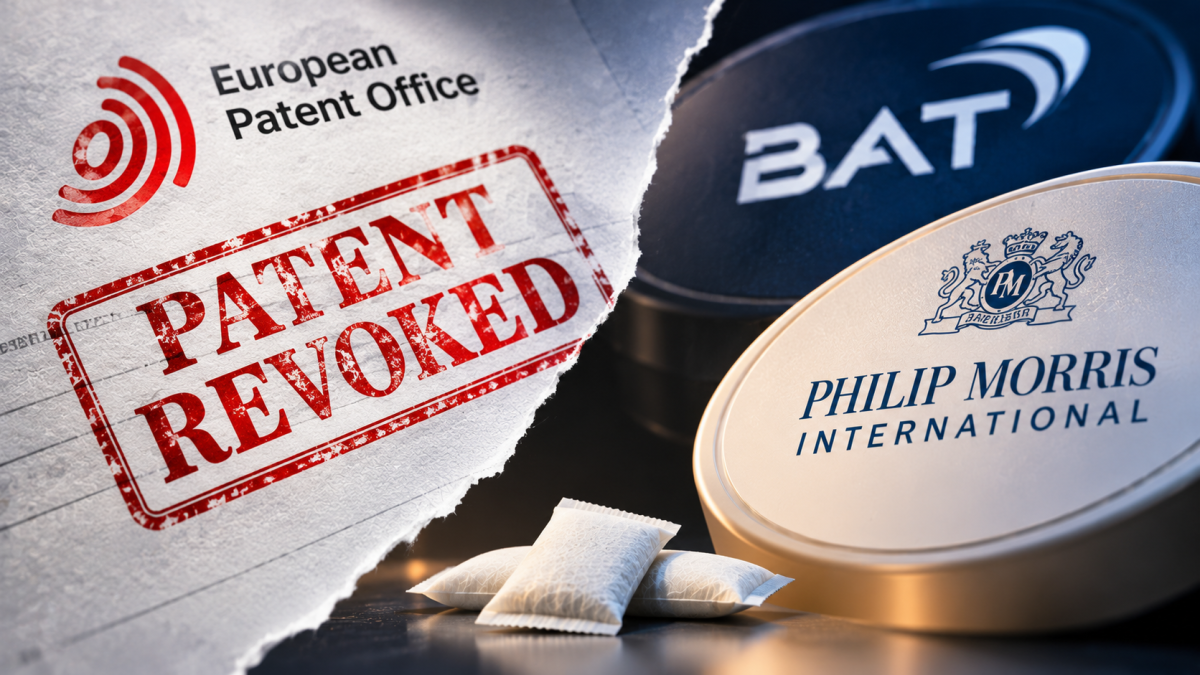
The European Patent Office (EPO) published an appeal decision on November 17, 2026, revoking Philip Morris Products S.A.'s European nicotine pouch patent EP 3773494, covering a formulation involving free-base nicotine, ion-exchange resin and a water content of at least 15%. The decision followed an opposition and appeal brought by British American Tobacco (BAT) entity Nicoventures Trading Limited. Philip Morris withdrew its approval of the patent text during the appeal, leading the EPO to revoke the patent. A separate European patent, EP 3809884, covering the distribution of nicotine between a pouch membrane and its internal composition, had been revoked on September 24 following a challenge from another BAT entity. The patents share a 2019 priority basis, while related European divisional applications also exist.
company
Nov.18 by 2Firsts Perspectives
Product | Philip Morris Japan Teams Up With Renowned French Audio Brand DEVIALET for Limited-Edition IQOS Priced 60% Above Standard Model
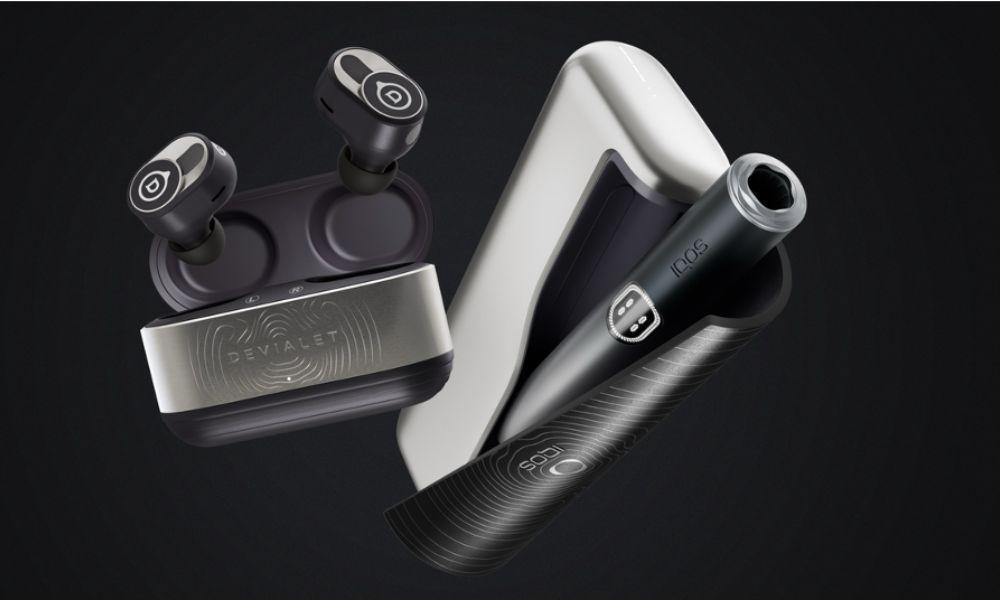
Philip Morris Japan (PMJ) launched the limited-edition IQOS ILUMA i PRIME Soundsorial Model in collaboration with French audio brand DEVIALET on October 1, 2026. Featuring sound-wave patterns, a silver-and-black finish and a gradient holder, the heated tobacco device is priced at JPY 15,980, including tax, and is available at four IQOS stores in Japan. According to Japanese media citing a PMJ representative, about 1,900 units were allocated to the Japanese retail market. A separate Soundsorial Collection, combining the device with DEVIALET Gemini II earbuds, includes 440 sets allocated to Japan for a membership prize draw.
product
Oct.23
On-Site Report | After FDA Announces Review of PMTA Framework, CTP Director Details Reform Priorities
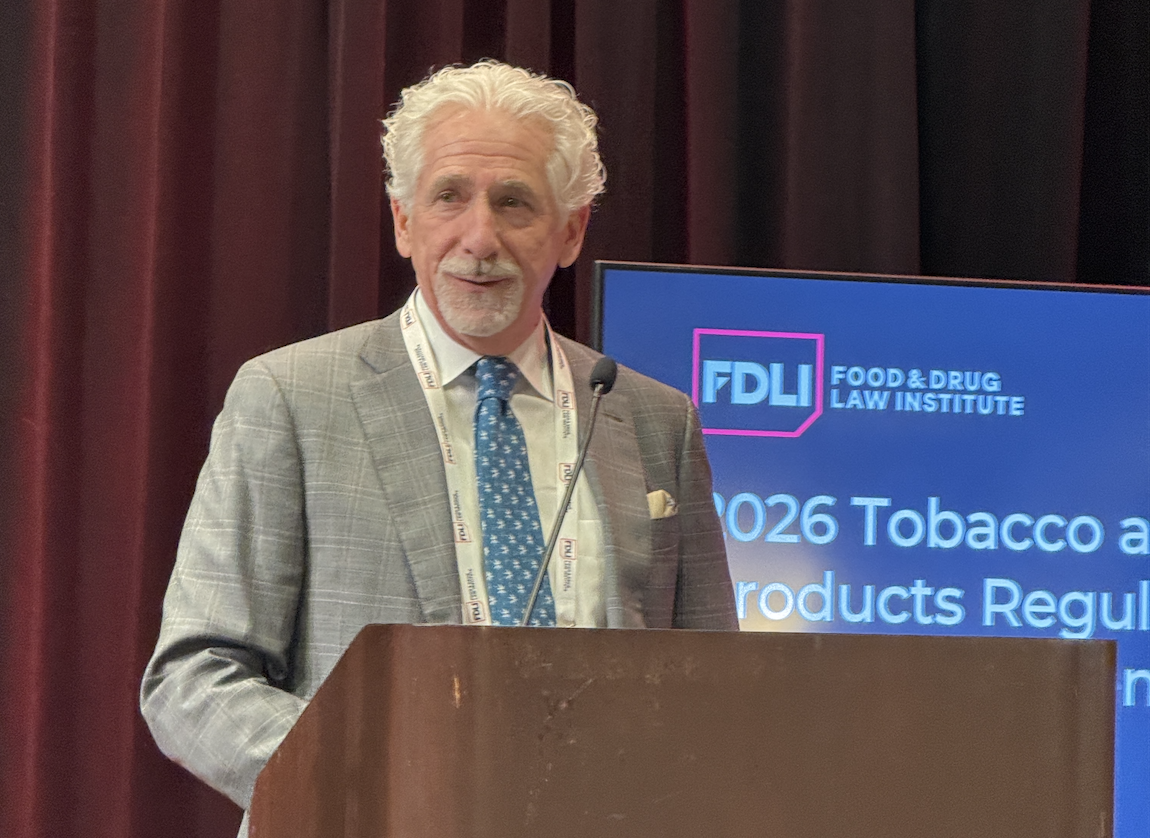
FDA CTP Director Bret Koplow used his FDLI keynote in Washington to outline how the agency is rethinking the PMTA framework. He discussed category-specific review, nicotine pouch and sPMTA pilots, AI-assisted review, a 70% reduction in pending applications, and a major staffing constraint: CTP currently has only nine scientific review teams. He also reaffirmed tobacco harm reduction while stressing youth protection, flavored products, risk communication, and the challenge of unauthorized e-cigarettes.
Regulations
Oct.06
Italy Proposes Earlier Vape and HTP Tax Hikes, New Rules for E-Liquid Pricing, Exclusive Deals and Distribution
Italy's proposed 2027–2029 budget would bring forward scheduled tax increases for e-cigarette liquids and heated tobacco products from January 1, 2028, to July 1, 2027. The consumption tax coefficient for nicotine-containing e-liquids would rise from 20% to 22%, that for nicotine-free liquids and applicable flavorings from 15% to 17%, and the heated-tobacco coefficient from 41% to 42%. The bill would also introduce official retail price schedules for e-liquids, restrict exclusive agreements between retailers and suppliers, and limit single-brand-dominated displays, sales incentives and bundled offers. Importing, authorized warehousing and retailer sourcing arrangements would also change. The proposals remain subject to parliamentary approval and subsequent implementing regulations.
Regulations
Nov.04
Japan Survey Finds 49.5% Would Cut Tobacco Use if Prices Rise, 64.6% Show Interest in Nicotine-Free Alternatives
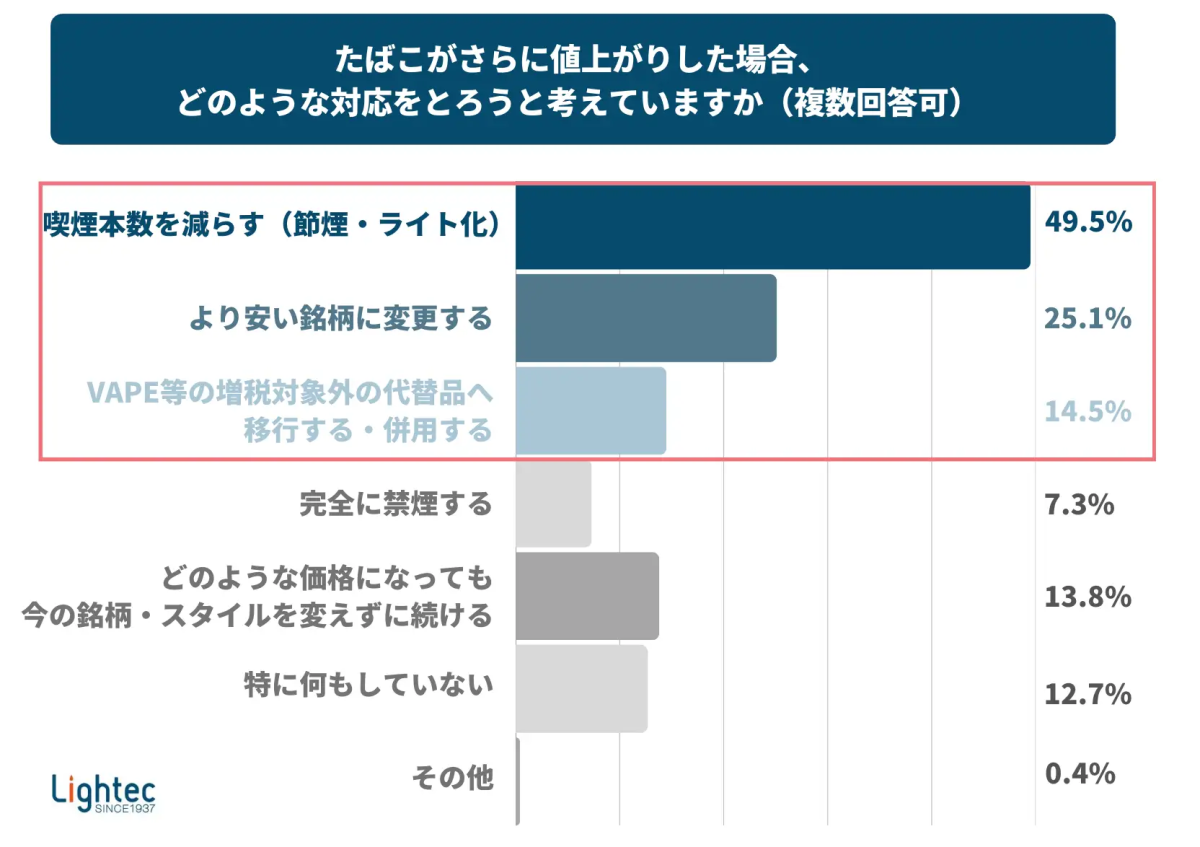
A September online survey commissioned by Japanese smoking-accessories company Lightec found that 49.5% of respondents would consider reducing tobacco use if prices rose further, while 25.1% would consider switching to cheaper brands and 14.5% would consider using or combining alternatives such as vapes and nicotine-free herbal sticks. Another 64.6% expressed some level of interest in such alternatives. The survey covered 1,088 respondents aged 20 to 70 and was conducted by a company that sells NICOLESS nicotine-free vaping and herbal-stick products, meaning its findings should not be treated as representative of Japan's smoking population.
DATA
Oct.12
Special Report | Vape bans and tougher rules: the South Caucasus takes different paths
Azerbaijan's sweeping e-cigarette ban has raised concerns over enforcement errors and the emergence of illicit sales, while neighboring Armenia is tightening technical rules and preparing higher excise taxes. Georgia, meanwhile, has resisted calls for broader vape restrictions and introduced preferential taxes for some domestically produced cigarettes. The divergent approaches across the South Caucasus highlight a regional policy dilemma: how to curb nicotine use and protect public health without encouraging black markets or creating unintended economic consequences for businesses and consumers.
Nov.03