JTI Launches Ploom X Advanced in Slovakia, Priced at 40 Euros

JTI by 2FIRSTS.ai
Mar.07.2024
JTI Launches Ploom X Advanced in Slovakia, Priced at 40 Euros
Japan Tobacco International (JTI) launches new Ploom X Advanced heated tobacco device in Slovakia, aiming to boost market growth.

According to reports from SITA News, Japan Tobacco International (JTI) has launched a new heated tobacco device, Ploom X Advanced, in the Slovak market. JTI expects this device to further drive growth in this product category, which has only been present in the Slovak market for about five years.


Last year, the total sales volume of the entire nicotine market in Slovakia reached 435 million boxes, with Slovak consumers increasingly looking for alternatives to traditional smoking. Demand, particularly for heated tobacco products that can reduce smoking risks, is on the rise.


According to market trend measurements and internal analysis by Japan Tobacco International, Slovakia sold over 65 million packs of heated tobacco in 2023, representing a 15% year-on-year increase. These tobacco products now account for over 15% of the entire nicotine market.


The Ploom X Advanced device does not require frequent cleaning and the tobacco filler will not break. Consumers can choose from five different colors of the device and can customize it to fit their style by changing the outer shell and other accessories.


This new device will be available on the company's e-commerce website and select tobacco retail stores starting from March 6th. The device is priced at 40 euros, but registered users can purchase an initial kit with five boxes of tobacco cartridges for 30 euros. The company has stated that the availability of this device will gradually expand throughout Slovakia.


We welcome news tips, article submissions, interview requests, or comments on this piece.

Please contact us at info@2firsts.com, or reach out to Alan Zhao, CEO of 2Firsts, on LinkedIn


Notice

1.  This article is intended solely for professional research purposes related to industry, technology, and policy. Any references to brands or products are made purely for objective description and do not constitute any form of endorsement, recommendation, or promotion by 2Firsts.

2.  The use of nicotine-containing products — including, but not limited to, cigarettes, e-cigarettes, nicotine pouchand heated tobacco products — carries significant health risks. Users are responsible for complying with all applicable laws and regulations in their respective jurisdictions.

3.  This article is not intended to serve as the basis for any investment decisions or financial advice. 2Firsts assumes no direct or indirect liability for any inaccuracies or errors in the content.

4.  Access to this article is strictly prohibited for individuals below the legal age in their jurisdiction.


Copyright


This article is either an original work created by 2Firsts or a reproduction from third-party sources with proper attribution. All copyrights and usage rights belong to 2Firsts or the original content provider. Unauthorized reproduction, distribution, or any other form of unauthorized use by any individual or organization is strictly prohibited. Violators will be held legally accountable.

For copyright-related inquiries, please contact: info@2firsts.com


AI Assistance Disclaimer


This article may have been enhanced using AI tools to improve translation and editorial efficiency. However, due to technical limitations, inaccuracies may occur. Readers are encouraged to refer to the cited sources for the most accurate information.

We welcome any corrections or feedback. Please contact us at: info@2firsts.com

Imperial Brands Sees Double-Digit NGP Growth as Sixth Year of Tobacco Revenue Gains Backs £1.5 Billion Buyback
Imperial Brands reaffirmed its FY26 guidance in its October 8 pre-close trading update, forecasting double-digit net revenue growth in next-generation products and share gains across heated tobacco, vape and modern oral. Tobacco net revenue is expected to grow at a low-single-digit rate, marking a sixth consecutive year of growth. The company has completed its £1.45 billion FY26 share repurchase and announced a £1.5 billion buyback for FY27. Group adjusted operating profit is expected to increase 3% to 5%, while free cash flow is forecast to exceed £2.2 billion.
Oct.09
JTI Proposes 25-Cent Irish Cigarette Tax Increase, Says It Could Raise €45 Million
Japan Tobacco International's Irish business has proposed a €0.25 tax increase on a pack of 20 cigarettes in its pre-Budget 2027 submission, below the €0.50-or-more increases typically imposed in recent Irish budgets. JTI says the proposal could generate around €45 million in additional Exchequer revenue while limiting further movement toward illicit and non-Irish-tax-paid tobacco. Revenue's existing estimate for a comparable €0.25 increase, including pro-rata rises on other tobacco products, is about €18 million for a full year.
JTI
Sep.18 by 2Firsts Perspectives
FDA Authorizes JUUL2, Cites Adult Switching Amid Efforts to Speed PMTA Reviews
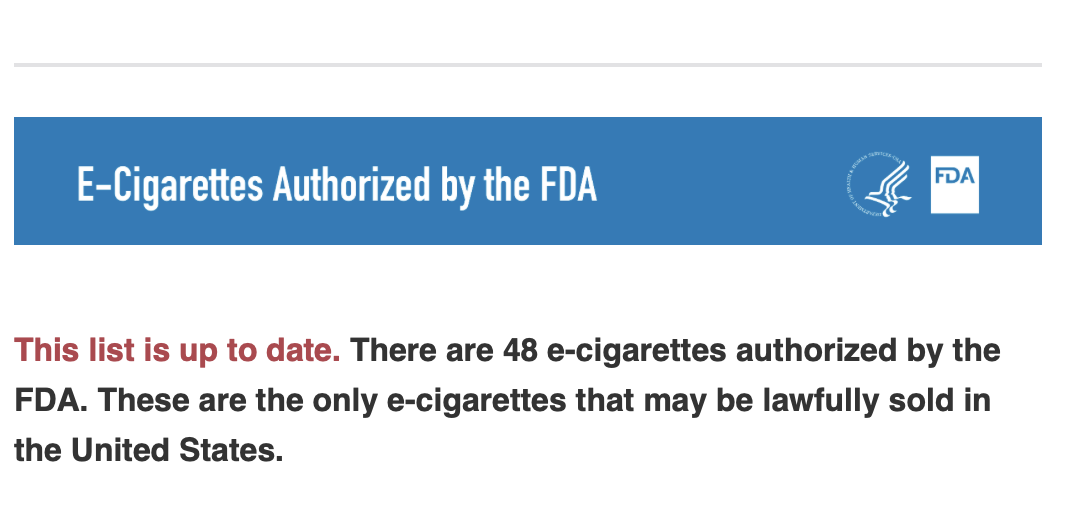
The FDA authorized the JUUL2 device and tobacco- and menthol-flavored pods on Aug. 28, bringing the number of authorized e-cigarette products to 48. The agency highlighted complete switching among adult smokers, with six-week switching rates reaching 28.4%–49.3% for the menthol pod. The decision comes as FDA works to speed PMTA reviews, reduce application backlogs and expand authorized e-cigarette and nicotine-pouch products while maintaining enforcement priorities for unauthorized products.
Regulations
Aug.29
Canada Considers Easing Pharmacy-Only Nicotine Pouch Sales Rules, Potentially Reopening Convenience Store Channel
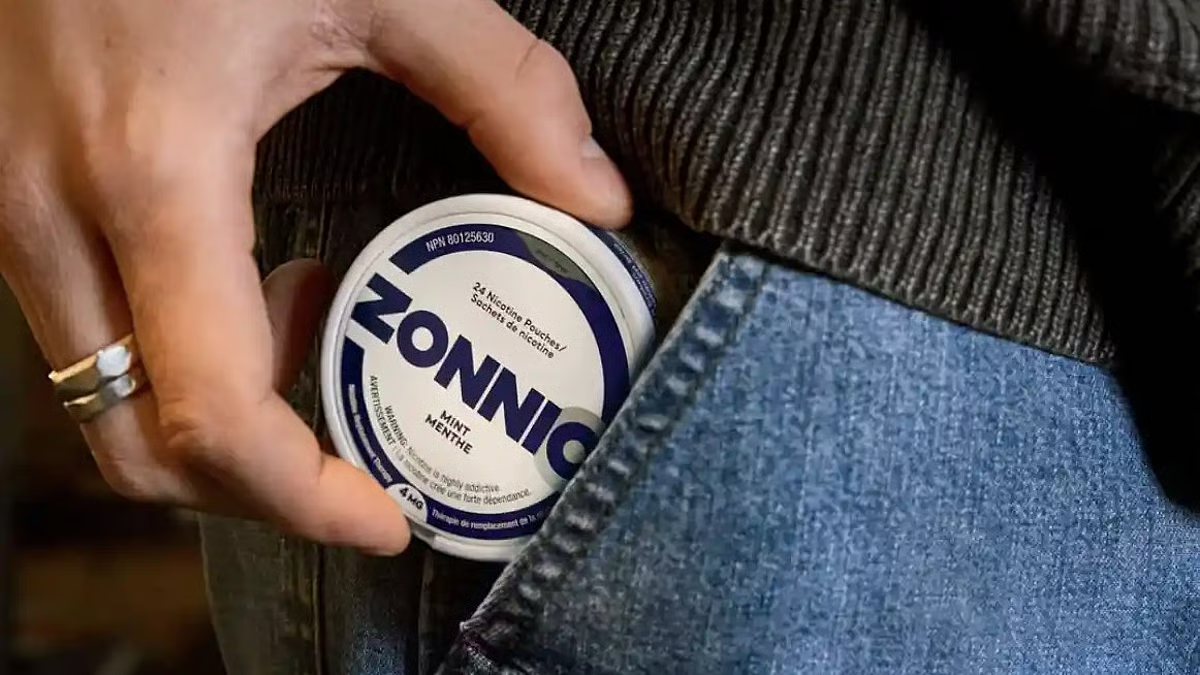
Canada's federal government is considering changes to current restrictions on where nicotine pouches can be sold, potentially allowing authorized products to return to convenience stores and other general retail channels, although no decision has been made. Since 2024, emerging nicotine replacement therapy products such as nicotine pouches have been largely restricted to behind-the-counter pharmacy sales. Health Canada, meanwhile, continues to recall unauthorized and higher-strength nicotine pouches, indicating that the current discussion concerns retail access for authorized products rather than a broad relaxation of nicotine pouch regulation.
Sep.14
India Steps Up Nicotine Pouch Enforcement as ZYN, White Fox Circulate and Drug Panel Urges Halt to New Nicotine Formulations
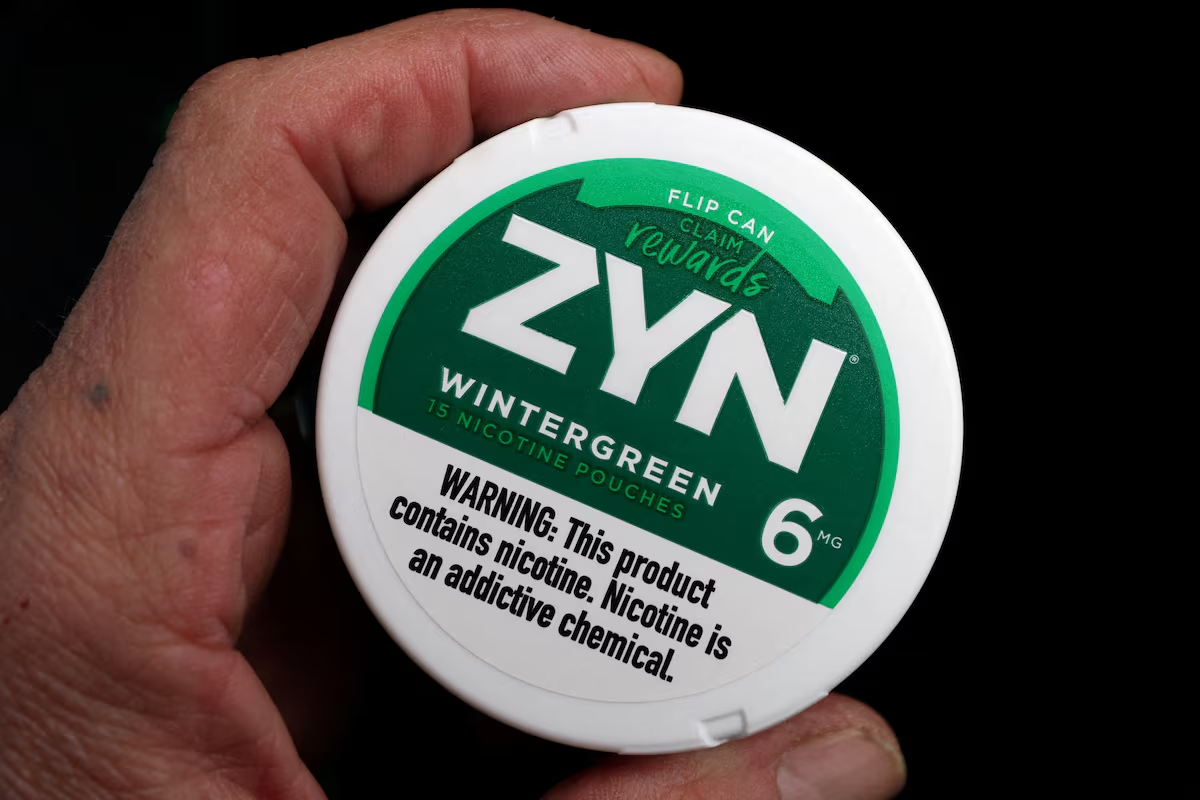
India's Ministry of Health and Family Welfare has directed states to step up enforcement against nicotine pouch sales, citing increased availability through online and offline channels and concern about nicotine exposure among children. Reuters reported that international brands including ZYN and White Fox are being sold in India. A study led by ICMR-NICPR found pouches in seven of 10 surveyed locations and identified 68 brands and 445 flavors online. Separately, India's Drugs Technical Advisory Board recommended in August that no new nicotine formulation be approved.
Regulations
Sep.28 by 2Firsts Perspectives
Australia Adds 6-Methylnicotine to Schedule 9 Prohibited Substances, Effective October 1
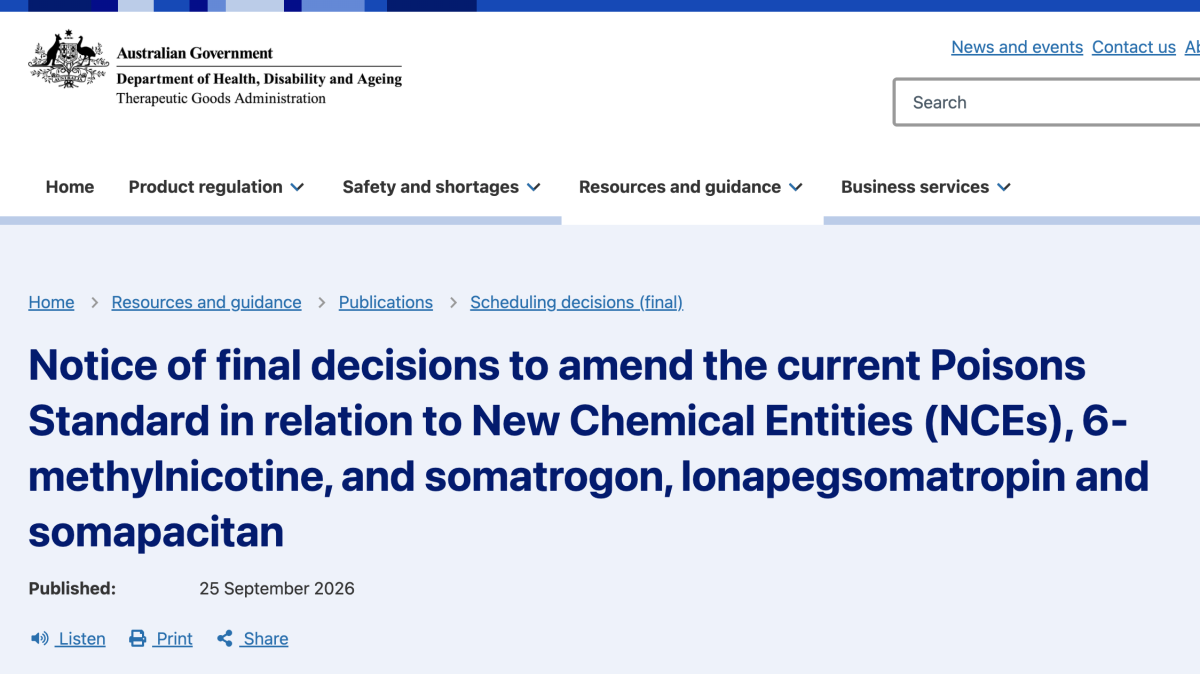
Australia's Therapeutic Goods Administration published a final decision on September 25 to classify 6-methylnicotine as a Schedule 9 prohibited substance under the Poisons Standard, effective October 1, 2026. TGA said the chemical has been reported in e-cigarette liquids sold in Australia and marketed as nicotine-free or nicotine alternatives, while evidence also indicates its use in preparations such as oral pouches. The government originally proposed a Schedule 7 classification but ultimately adopted the stricter Schedule 9 designation, citing acute toxicity, dependence risk, use in unapproved consumer products and misleading marketing.
News
Sep.29 by 2Firsts Perspectives