Improved Versions of PMI's VEEV E-Cigarettes Launched in Slovakia

PMI by 2FIRSTS.ai
Feb.27.2024
Improved Versions of PMI's VEEV E-Cigarettes Launched in Slovakia
Philip Morris International (PMI) launches upgraded versions of e-cigarettes VEEV ONE and VEEV NOW in Slovakia with new flavors and designs.

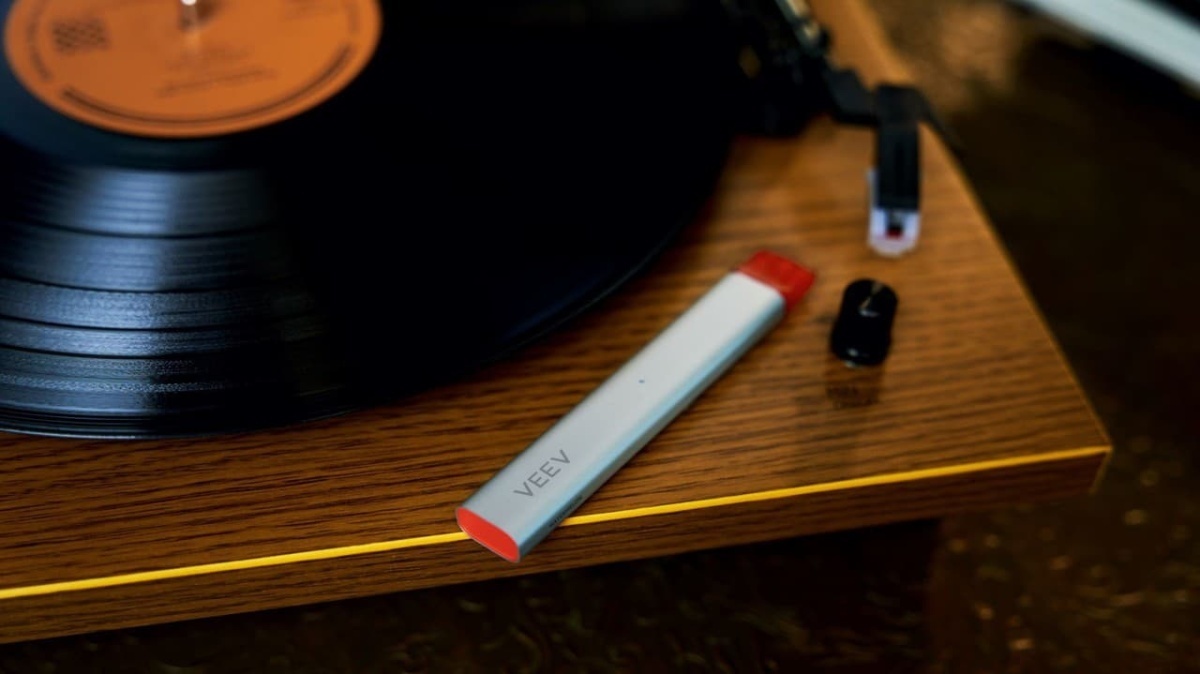
According to Slovak media CAS, the improved versions of Philip Morris International (PMI)'s e-cigarettes VEEV ONE and VEEV NOW have been launched in the Slovak market, featuring seven new flavors and practical designs.


The VEEV ONE utilizes ceramic heating technology and features a low e-liquid detection system to prevent burnt taste. The device does not require cleaning or refilling of e-liquid. Currently, there are five color options available: Sweet Pink, Velvet Black, Fresh Green, Electric Purple, and Gray. Compared to IQOS VEEV, the VEEV ONE has the following features:


The e-liquid capacity is 2 milliliters, while the IQOS VEEV/VEEV is 1.5 milliliters; the heating power is 6.5 watts, while the IQOS VEEV/VEEV is 5.5 watts; the battery capacity is 450mAh, while the IQOS VEEV/VEEV is 360mAh; compared to the IQOS VEEV/VEEV, the cost of pods and devices is lower. VEEV NOW comes in two color options: a soft graphite color and silver. The device is made with an aluminum shell, which can be recycled. Used or damaged devices can be taken to any IQOS retail store, where the devices are sent to recycling.


We welcome news tips, article submissions, interview requests, or comments on this piece.

Please contact us at info@2firsts.com, or reach out to Alan Zhao, CEO of 2Firsts, on LinkedIn


Notice

1.  This article is intended solely for professional research purposes related to industry, technology, and policy. Any references to brands or products are made purely for objective description and do not constitute any form of endorsement, recommendation, or promotion by 2Firsts.

2.  The use of nicotine-containing products — including, but not limited to, cigarettes, e-cigarettes, nicotine pouchand heated tobacco products — carries significant health risks. Users are responsible for complying with all applicable laws and regulations in their respective jurisdictions.

3.  This article is not intended to serve as the basis for any investment decisions or financial advice. 2Firsts assumes no direct or indirect liability for any inaccuracies or errors in the content.

4.  Access to this article is strictly prohibited for individuals below the legal age in their jurisdiction.


Copyright


This article is either an original work created by 2Firsts or a reproduction from third-party sources with proper attribution. All copyrights and usage rights belong to 2Firsts or the original content provider. Unauthorized reproduction, distribution, or any other form of unauthorized use by any individual or organization is strictly prohibited. Violators will be held legally accountable.

For copyright-related inquiries, please contact: info@2firsts.com


AI Assistance Disclaimer


This article may have been enhanced using AI tools to improve translation and editorial efficiency. However, due to technical limitations, inaccuracies may occur. Readers are encouraged to refer to the cited sources for the most accurate information.

We welcome any corrections or feedback. Please contact us at: info@2firsts.com

Bringing Tax and Insurance Into Nicotine Regulation: Insights From a Tobacco Harm-Reduction Report
A smoke-free nicotine policy report argues that tobacco harm reduction should move beyond product bans and health warnings into tax policy, insurance pricing and risk-based regulation. While some projections remain open to debate, the report highlights a wider challenge: nicotine products, technologies and consumer behavior have changed sharply over the past decade, and regulatory systems may need new tools to better align tobacco control with harm-reduction goals.
Jun.08
PMI Highlights 43 Million Smoke-Free Users at Stockholm Summit
Philip Morris International says about 43 million adults worldwide now use its smoke-free products, with nearly 70% having stopped using cigarettes and smoke-free products accounting for about 43% of its net revenues.
Jun.18
Product | OLIVEBAR Launches RAZ PRO 85K, Combining Up to 85,000 Puffs With a Transparent Pod Design
OLIVEBAR has introduced the RAZ PRO 85K disposable vape, featuring up to 85,000 puffs, a transparent e-liquid pod, and a Mega HD display. As competition in the ultra-high-puff disposable segment continues to intensify, the new device reflects an industry shift from simply increasing puff counts toward enhancing visual interaction and user experience.
Jul.03
Italy Fines PMI €7 Million Over Misleading ‘Smoke-Free Future’ Marketing Claims
Italy’s Competition and Market Authority (AGCM) has fined Philip Morris Italia €7 million, finding that the company’s use of “smoke-free future” and related claims in promoting products such as IQOS, VEEV and ZYN could mislead consumers.
Jun.16
Chinese Disposable Brands OXBAR, LYCO Challenge Vuse and JUUL: Pennsylvania’s Pending List Offers a Glimpse of the Future Legal Vape Market
Pennsylvania’s June 26 ENDS Pending Certifications list previews the state’s future legal vape market, placing Vuse, JUUL and Logic alongside Chinese-linked disposable brands OXBAR and LYCO. Shaped by PMTA eligibility and state rules, the list shows competition shifting from market share to market access.
Special Report
Jul.06
South Korea’s Cigarette Smoking Rate Falls to 17.9%, E-Cigarette Use Continues to Rise
Data released by the Korea Disease Control and Prevention Agency (KDCA) showed South Korea’s conventional cigarette smoking rate fell to 17.9% in 2025, while heated tobacco and liquid e-cigarette use continued to rise, particularly among young adults and women.
Jun.01