This week, electronic cigarette manufacturer Juul Labs Inc. announced a $438.5 million settlement agreement with over 30 states, requiring changes to the company's allegedly youth-targeted marketing practices. However, it does not address the separate lawsuits brought by hundreds of school districts claiming harm from the rapid rise of student e-cigarette use.
The school district lawsuit has been consolidated in the San Francisco Federal District Court, considered the "lead" case in its category, and the case brought forth by the San Francisco Unified School District is scheduled for trial in November.
Another type of lawsuit, known as multi-district litigation, involves personal injury claims made by Juul users. A trial for one such case was scheduled this month, involving a Tennessee teenager who began using the company's e-cigarettes at the age of 12.
Georgetown University law professor Heidi Li Feldman stated, "Settlements are made by the parties involved, so reaching a settlement with certain states will not affect lawsuits brought by other entities such as school boards and cities, who may claim different harms." Feldman is an expert in the field of product liability and infringement lawsuits. This statement was made in the Washington D.C. area.
The separate lawsuits filed by school districts indicate that a lesson has been learned from the large multistate settlement agreement reached with tobacco companies in the 1990s, which centralized funds at the state government level but neglected cities, counties, and school districts.
I believe that the lingering issues of tobacco litigation have prompted municipal authorities and school boards to be more vigilant in ensuring that any harm caused specifically to them is addressed by resolving any lawsuits against corporations," said Feldman.
Connecticut Attorney General William Tong on Tuesday announced a settlement agreement between Juul and 33 states and Puerto Rico. According to Tong, investigations in each state revealed that the San Francisco-based company "ruthlessly marketed e-cigarette products to minors, manipulated their chemical composition to be more palatable to inexperienced users, employed inadequate age verification procedures, and misled consumers about the nicotine content and addictive nature of their products.
As part of a settlement agreement, Juul has agreed to avoid using cartoons, depicting individuals under the age of 35 in advertisements, hiring young social media influencers, and offering free samples as a form of marketing towards youth.
E-cigarette company Juul has reached settlements with four states and is facing additional cases brought by nine state attorneys general. The company has also appealed a June order from the FDA to remove its products from the market.
However, this settlement "is completely separate from the ongoing federal multidistrict litigation (MDL), in which hundreds of lawsuits filed by school districts are still pending," stated Wagstaff & Carter, a Missouri-based law firm representing many school district lawsuits.
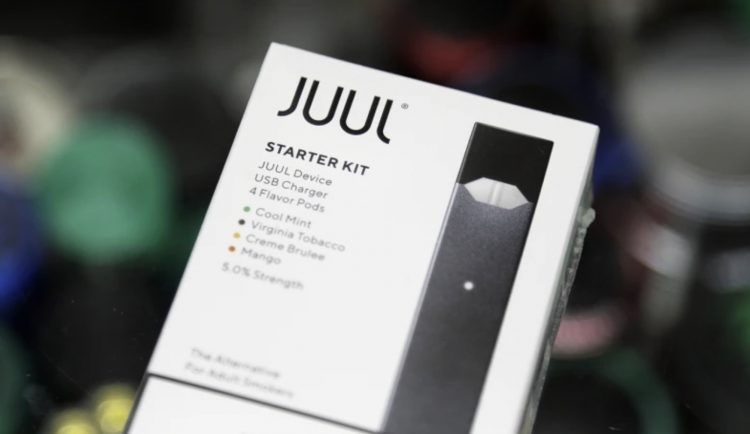
The lawsuit alleges that Juul and certain other defendants "targeted children as their customer base." "The design of Juul products appears sleek and high-tech, like a cool gadget, with features like 'party mode' video games, and offers flavors such as mango and cool mint that are attractive to children... All of this because the defendants knew that flavors would appeal to young people. They masqueraded under the guise of preventing youth smoking, sending representatives directly to schools to research teenagers' e-cigarette preferences.
According to evidence cited in a complaint, Juul allegedly told ninth-grade students during a 2018 speech that their products were "much safer than cigarettes" and completely safe.
According to the lawsuit, the San Francisco school district had to create a plan to address the issue of students using e-cigarettes and redirect personnel to monitor areas such as school bathrooms for safety purposes.
Juul argues that the lawsuit filed by the San Francisco school district lacks evidence. In a motion for summary judgment filed in August regarding the school case, Juul stated that a revised complaint filed by the San Francisco area indicates that the initial allegations of the lawsuit are unsupported by evidence.
Statement:
This article is compiled from third-party information and is intended for industry discussions and learning purposes only.
This article does not represent the views of 2FIRSTS, and 2FIRSTS cannot confirm the authenticity or accuracy of its contents. The translation of this article is solely for internal communication and research within the industry.
Due to limitations in the translator's skills, the translated article may not fully capture the intended meaning of the original text. Therefore, it is recommended to refer to the original article for accurate information.
2FIRSTS maintains complete alignment with the Chinese government on any domestic, Hong Kong, Macao, Taiwan, and foreign-related statements and positions.
The compiled information belongs to the original media and author. If there is any copyright infringement, please contact us for the information to be removed.
Disclaimer
This article is provided solely for professional research, industry discussion, and informational purposes. Any references to brands, companies, products, technologies, or policies are made for factual reporting and analytical purposes only, and do not constitute endorsement, recommendation, promotion, or advertising by 2Firsts.
Nicotine-containing products, including but not limited to cigarettes, e-cigarettes, heated tobacco products, and nicotine pouches, carry significant health risks. Readers are responsible for complying with all applicable laws and regulations in their respective jurisdictions, including age restrictions and access limitations.
The information contained in this article should not be regarded as investment, legal, medical, regulatory, or commercial advice. While 2Firsts strives to ensure the accuracy and reliability of its content, it does not assume liability for any direct or indirect loss arising from errors, omissions, inaccuracies, or reliance on the information contained herein.
This article is not intended for individuals below the legal age for accessing tobacco or nicotine-related information in their jurisdiction.
Copyright Notice
This article is either original content produced by 2Firsts or content reproduced, translated, summarized, or adapted from third-party sources with attribution where applicable. The intellectual property rights of the original content remain with 2Firsts or the respective original rights holders.
No individual or organization may copy, reproduce, distribute, republish, modify, translate, or otherwise use this content without prior authorization. Any unauthorized use may result in legal action.
For copyright-related inquiries, corrections, or removal requests, please contact: info@2firsts.com.
AI-Assisted Translation and Editing Notice
Portions of this article may have been translated, edited, or reviewed with the assistance of artificial intelligence tools to improve efficiency and readability. Due to the limitations of AI-assisted translation and editing, discrepancies, omissions, or inaccuracies may exist when compared with the original source.
Where applicable, readers are advised to refer to the original source for the most complete and accurate information. If you identify any errors or believe that any content infringes upon your rights, please contact us at info@2firsts.com, and we will review and address the matter promptly.