Key Takeaways
- Latvia’s parliament gave conceptual support on April 1 to amendments introducing a deposit system for e-cigarettes.
- The amendments would create a unified national e-cigarette deposit scheme operated by a system operator.
- Manufacturers and distributors would be required to sign contracts with the operator.
- Consumers would pay a deposit when purchasing an e-cigarette and receive a refund when returning the used device.
- The amendments are intended to take effect on October 1 this year, but still need two more parliamentary readings.
2Firsts, April 1, 2026
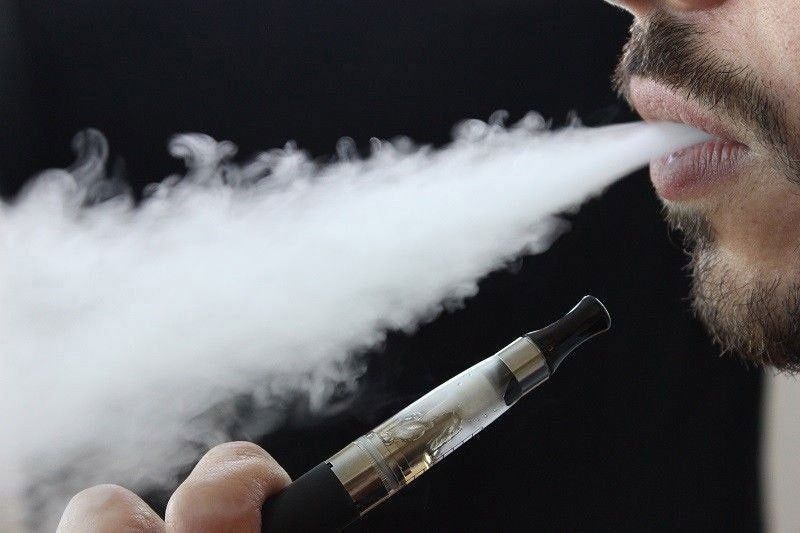
According to saeima, Latvia plans to introduce a deposit system for e-cigarettes in order to reduce pollution and environmental harm caused by electronic smoking devices.
Latvia’s parliament gave initial support to amendments introducing an e-cigarette deposit system
On April 1, Latvia’s parliament gave conceptual support to amendments to the Waste Management Law. The amendments would establish the basic principles of an e-cigarette deposit system and create a unified national scheme operated by a system operator.
Under the proposal, manufacturers and distributors would be required to conclude agreements with the operator. Consumers would pay a deposit when buying an e-cigarette and receive the money back when returning the used device.
The government will set detailed operating rules and collection requirements
Kaspars Briškens, chairman of the committee responsible for advancing the bill, said the deposit system would ensure that e-cigarettes are collected and recycled in a safe and controlled manner, reducing pollution and preventing hazardous materials from entering the environment.
The amendments also provide that the Cabinet of Ministers must determine the arrangements for operating the system, including the coverage of deposit points, collection and recycling volumes, and requirements for system record-keeping and operator reporting.
Latvia says e-cigarette waste has grown rapidly in recent years
Kaspars Briškens said the changes are important because the volume of e-cigarette waste has increased sharply over the past five years and has become a serious environmental and safety risk. Most of these devices contain lithium-ion batteries, which can cause fires, create chemical pollution, and endanger people and the environment if they enter household waste.
According to a study by the Latvian Waste Management Companies Association, about 15 million e-cigarettes were discarded in Latvia in 2023, of which only 5.00%, or 750,000 units, were sent for recycling, while the rest ended up in household waste and landfills. The Ministry of Climate and Energy previously told the responsible parliamentary committee that lithium-ion batteries are the cause of 48.00% of fires in the waste management sector, and that e-cigarette devices do not decompose when they enter the natural environment.
The amendments were prepared by the Ministry of Climate and Energy and are intended to take effect on October 1 this year. To enter into force, they still require approval in two further readings in parliament.
Image source: Saeima
We welcome news tips, article submissions, interview requests, or comments on this piece.
Please contact us at info@2firsts.com, or reach out to Alan Zhao, CEO of 2Firsts, on LinkedIn
Notice
1. This article is intended solely for professional research purposes related to industry, technology, and policy. Any references to brands or products are made purely for objective description and do not constitute any form of endorsement, recommendation, or promotion by 2Firsts.
2. The use of nicotine-containing products — including, but not limited to, cigarettes, e-cigarettes, nicotine pouchand heated tobacco products — carries significant health risks. Users are responsible for complying with all applicable laws and regulations in their respective jurisdictions.
3. This article is not intended to serve as the basis for any investment decisions or financial advice. 2Firsts assumes no direct or indirect liability for any inaccuracies or errors in the content.
4. Access to this article is strictly prohibited for individuals below the legal age in their jurisdiction.
Copyright
This article is either an original work created by 2Firsts or a reproduction from third-party sources with proper attribution. All copyrights and usage rights belong to 2Firsts or the original content provider. Unauthorized reproduction, distribution, or any other form of unauthorized use by any individual or organization is strictly prohibited. Violators will be held legally accountable.
For copyright-related inquiries, please contact: info@2firsts.com
AI Assistance Disclaimer
This article may have been enhanced using AI tools to improve translation and editorial efficiency. However, due to technical limitations, inaccuracies may occur. Readers are encouraged to refer to the cited sources for the most accurate information.
We welcome any corrections or feedback. Please contact us at: info@2firsts.com