The Supreme Court of Mississippi recently ruled that South Korean company LG Chem could face a lawsuit in Mississippi for providing batteries that powered "e-cigarette devices," even though the company has no physical presence or registered business in the state.
Melissa Dilworth is suing LG Chem after suffering severe burns when the battery in her electronic cigarette exploded. In addition to LG Chem, the plaintiff is also suing the electronic cigarette store, its supplier, and the manufacturer of the electronic cigarette device.
LG Chem is attempting to refute allegations by arguing that the batteries it produces were not made specifically for sale in Mississippi, but rather intended for use by established companies for specific applications. However, the court rejected this argument, finding that the South Korean company had intended to tap into Mississippi's lithium-ion battery market knowing that its products would be sold in the state, either alone or as part of another product. The batteries only reached consumers through third-party distributors selling unauthorized products for personal use.
Similarly, the issue of jurisdiction is not affected by whether the claimed injury was caused by unintentional use of the product. The court believes that this issue concerns the merits of the case rather than a threshold issue of jurisdiction. Ultimately, the court found that Mississippi has a strong interest in adjudicating this dispute, as a resident of Mississippi was injured by a product purchased in Mississippi.
Dilworth's decision serves as a reminder that a company may not necessarily conduct business operations in Mississippi, or even in the United States, but can still be subject to lawsuits in Mississippi. This ruling also indicates that the Mississippi Supreme Court follows a broader commercial test adopted by the Fifth Circuit Court of Appeals.
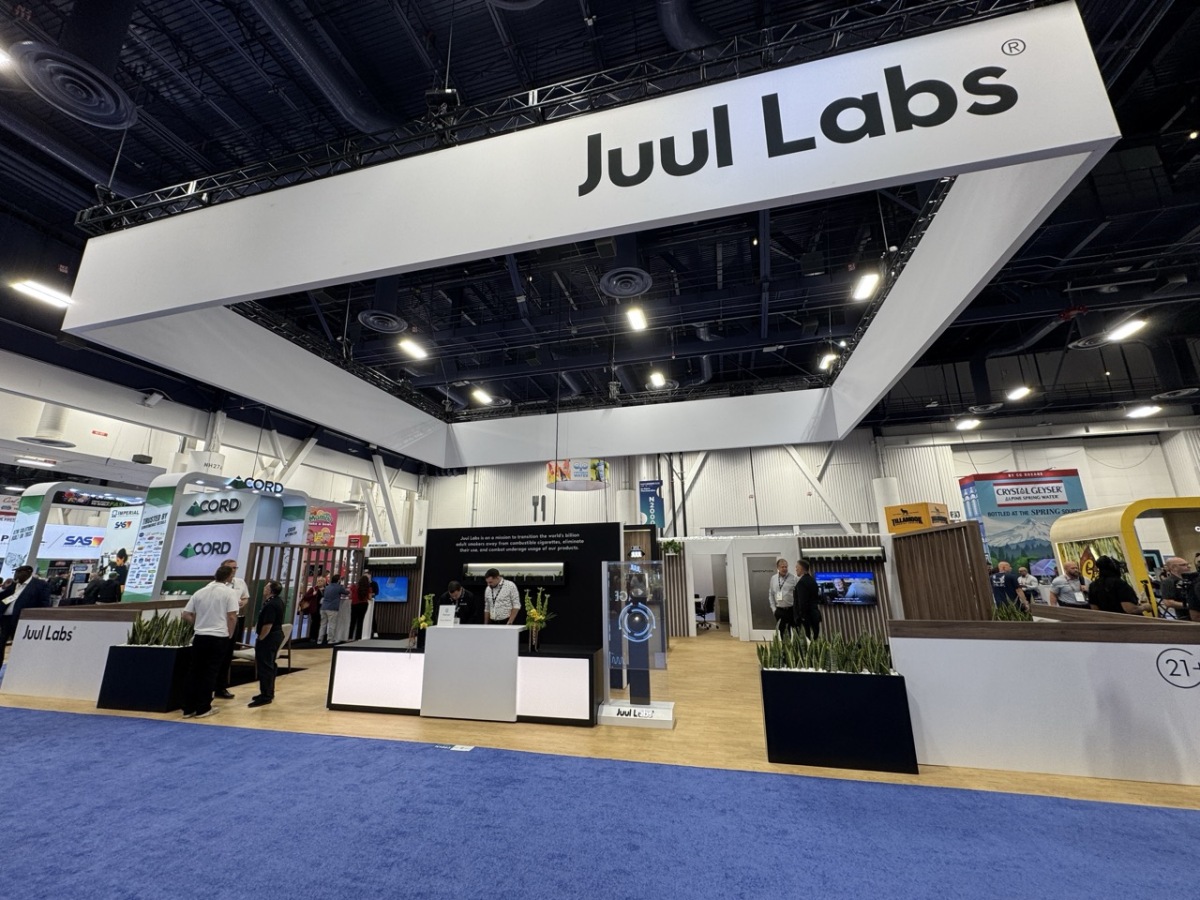
Companies in Mississippi that are involved in the medical marijuana industry should be aware that medical marijuana products will soon be available for qualified patients in the state. These products will come in various forms, including electronic smoking devices similar to those used by Juul.
Foreign companies producing equipment parts for growing or processing marijuana must be aware that even if they do not specifically sell those parts to people in Mississippi, simply putting them into commercial circulation that leads to the state could have serious consequences. In such cases, any notion that the company is completely outside of Mississippi's jurisdiction should be dispelled.
Statement:
This article is compiled from third-party information and is intended for industry exchange and learning.
This article does not represent the views of 2FIRSTS and 2FIRSTS cannot confirm the truthfulness or accuracy of the article's content. The translation of this article is only intended for industry exchange and research purposes.
Due to limitations in the level of translation, the translated article may not fully reflect the original text. Please refer to the original article for accuracy.
2FIRSTS maintains full alignment with the Chinese government on any domestic, Hong Kong, Macao, Taiwan, and foreign-related statement and position.
Copyright of the compiled information belongs to the original media and the author. If there is any infringement, please contact us to remove it.
Disclaimer
This article is provided solely for professional research, industry discussion, and informational purposes. Any references to brands, companies, products, technologies, or policies are made for factual reporting and analytical purposes only, and do not constitute endorsement, recommendation, promotion, or advertising by 2Firsts.
Nicotine-containing products, including but not limited to cigarettes, e-cigarettes, heated tobacco products, and nicotine pouches, carry significant health risks. Readers are responsible for complying with all applicable laws and regulations in their respective jurisdictions, including age restrictions and access limitations.
The information contained in this article should not be regarded as investment, legal, medical, regulatory, or commercial advice. While 2Firsts strives to ensure the accuracy and reliability of its content, it does not assume liability for any direct or indirect loss arising from errors, omissions, inaccuracies, or reliance on the information contained herein.
This article is not intended for individuals below the legal age for accessing tobacco or nicotine-related information in their jurisdiction.
Copyright Notice
This article is either original content produced by 2Firsts or content reproduced, translated, summarized, or adapted from third-party sources with attribution where applicable. The intellectual property rights of the original content remain with 2Firsts or the respective original rights holders.
No individual or organization may copy, reproduce, distribute, republish, modify, translate, or otherwise use this content without prior authorization. Any unauthorized use may result in legal action.
For copyright-related inquiries, corrections, or removal requests, please contact: info@2firsts.com.
AI-Assisted Translation and Editing Notice
Portions of this article may have been translated, edited, or reviewed with the assistance of artificial intelligence tools to improve efficiency and readability. Due to the limitations of AI-assisted translation and editing, discrepancies, omissions, or inaccuracies may exist when compared with the original source.
Where applicable, readers are advised to refer to the original source for the most complete and accurate information. If you identify any errors or believe that any content infringes upon your rights, please contact us at info@2firsts.com, and we will review and address the matter promptly.