E-cigarette firm Max Technology faces bankruptcy amid legal disputes

Nov.04.2024
E-cigarette firm Max Technology faces bankruptcy amid legal disputes
Max (Shenzhen) Electronic Technology Co., Ltd. recently filed for bankruptcy liquidation in court. The company, which specializes in e-cigarette products and holds several well-known trademarks, is facing a total of 15 legal cases, including disputes over sales contracts and trademark issues.

Max (Shenzhen) Electronic Technology Co., Ltd. (hereinafter referred to as "Max") has recently filed for bankruptcy with the Shenzhen Intermediate People’s Court, according to an e-cigarette industry insider's tip-off received on November 4 by 2Firsts.


E-cigarette firm Max Technology faces bankruptcy amid legal disputes
Bankruptcy Application | Source: National Enterprise Bankruptcy Reorganization Case Information Website


2Firsts has learned that Max primarily engages in the research, development, and sales of e-cigarette-related products. According to Tianyancha, the company owns several trademarks, including "YUEKE," "PQZU," "MKPRO," "MAXECIG," "MCKESSE," and "BADKITTY."


E-cigarette firm Max Technology faces bankruptcy amid legal disputes
Trademark application | Image source: Tianyancha


After searching the national database for information on corporate bankruptcy reorganization cases, 2Firsts conducted an analysis of the issue of "filing for bankruptcy.


On September 13, 2024, SHENZHEN BAOAN DISTRICT PEOPLE COURT accepted the bankruptcy liquidation application filed by 34 employees, including a representative, Huang Moufeng, on behalf of Max. According to the court notice, the applicants requested bankruptcy liquidation on the grounds that Max's assets were clearly insufficient to cover all debts.


On October 18, 2024, SHENZHEN BAOAN DISTRICT PEOPLE COURT decided to transfer Max's case to bankruptcy liquidation.


On October 23, 2024, the employee representative group voluntarily applied to withdraw the bankruptcy liquidation request, and the court ruled to allow the withdrawal.


On October 30, 2024, according to an official document (2024) Yue 03 Breakthrough 1102 from the SHENZHEN INTERMEDIATE PEOPLE'S COURT, Max (Shenzhen) Electronic Technology Co., Ltd. filed for bankruptcy with the Shenzhen Intermediate People's Court.


Additionally, according to Tianyancha, Max is involved in multiple legal disputes, including sales contract issues, unauthorized use of another company’s name, and disputes over personal names. The company is involved in 15 judicial cases and is listed as a defendant in enforcement proceedings. 


It has 46 risk information entries, 3 lawsuits, 3 records of dishonest enforcement, and 4 high-consumption restriction orders, with a total amount involved in enforcement reaching 7.96 million yuan.


E-cigarette firm Max Technology faces bankruptcy amid legal disputes
Basic information | Image source: Tianyancha


 It is worth noting that, according to Tianyancha, 13.3% of Max's cases are related to Shenzhen RLX Technology Inc.


E-cigarette firm Max Technology faces bankruptcy amid legal disputes
Dispute classification | Image source: Tianyancha


We welcome news tips, article submissions, interview requests, or comments on this piece.

Please contact us at info@2firsts.com, or reach out to Alan Zhao, CEO of 2Firsts, on LinkedIn


Notice

1.  This article is intended solely for professional research purposes related to industry, technology, and policy. Any references to brands or products are made purely for objective description and do not constitute any form of endorsement, recommendation, or promotion by 2Firsts.

2.  The use of nicotine-containing products — including, but not limited to, cigarettes, e-cigarettes, nicotine pouchand heated tobacco products — carries significant health risks. Users are responsible for complying with all applicable laws and regulations in their respective jurisdictions.

3.  This article is not intended to serve as the basis for any investment decisions or financial advice. 2Firsts assumes no direct or indirect liability for any inaccuracies or errors in the content.

4.  Access to this article is strictly prohibited for individuals below the legal age in their jurisdiction.


Copyright


This article is either an original work created by 2Firsts or a reproduction from third-party sources with proper attribution. All copyrights and usage rights belong to 2Firsts or the original content provider. Unauthorized reproduction, distribution, or any other form of unauthorized use by any individual or organization is strictly prohibited. Violators will be held legally accountable.

For copyright-related inquiries, please contact: info@2firsts.com


AI Assistance Disclaimer


This article may have been enhanced using AI tools to improve translation and editorial efficiency. However, due to technical limitations, inaccuracies may occur. Readers are encouraged to refer to the cited sources for the most accurate information.

We welcome any corrections or feedback. Please contact us at: info@2firsts.com

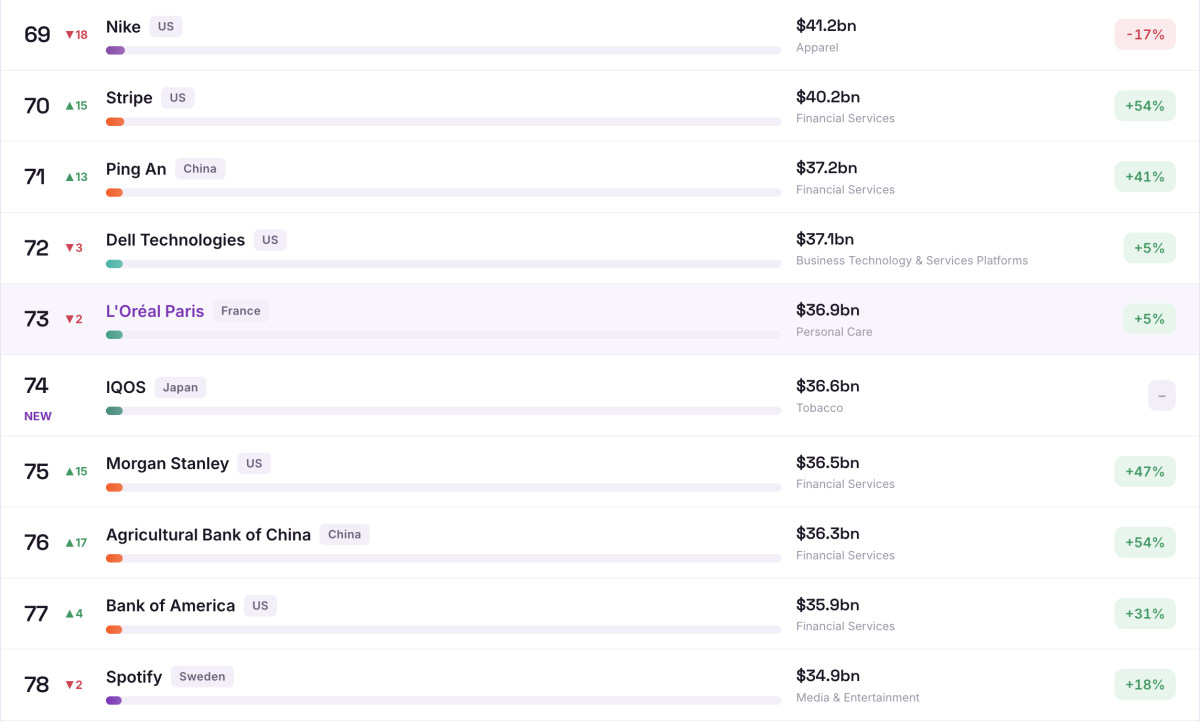
IQOS Enters Kantar BrandZ Global Top 100 for First Time, Valued at $36.6 Billion and Ranked No. 74
Philip Morris International’s IQOS has entered the Kantar BrandZ Top 100 Most Valuable Global Brands for the first time, ranking No. 74 with a brand value of $36.634 billion and becoming one of only three newcomers to the 2026 ranking. Kantar said the combined value of the Global Top 100 reached $13.1 trillion, up 22% year on year, while the threshold for entry rose to a record high. PMI says IQOS has more than 35 million users worldwide and surpassed $10 billion in annual net revenues within a decade of launch.
Sep.03
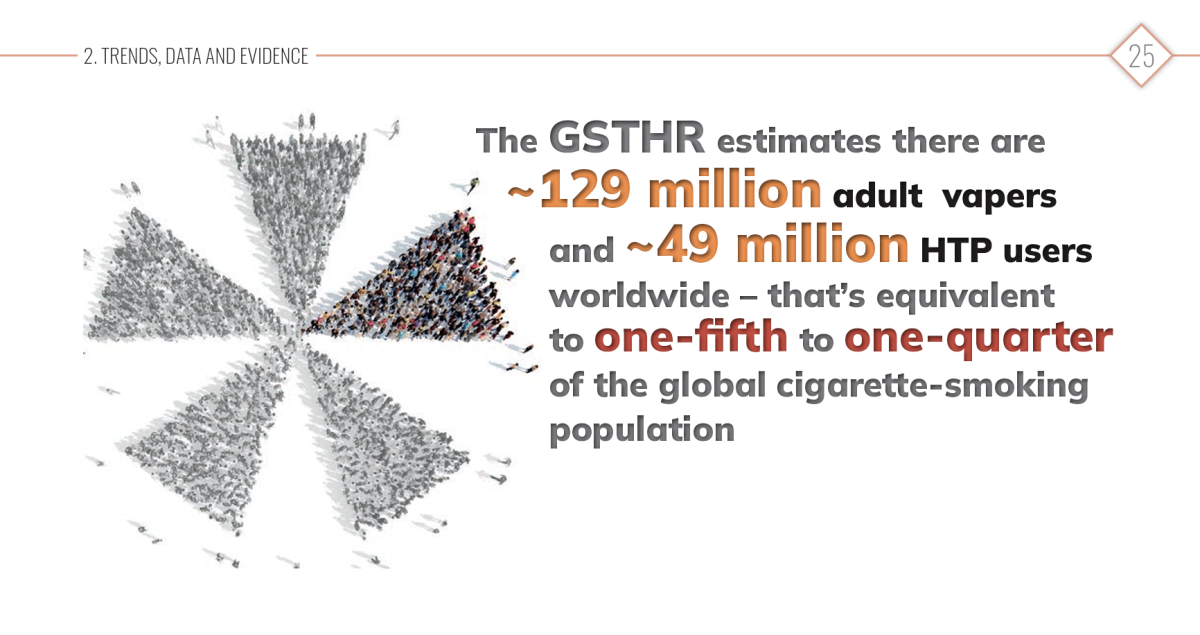
GSTHR Estimates 200 Million People Use Non-Combustible Nicotine Products as 28 Countries Show Rising Use Alongside Falling Smoking Rates
The Global State of Tobacco Harm Reduction, a project operated by Knowledge·Action·Change, estimates that about 200 million people worldwide use non-combustible nicotine products including vapes, heated tobacco, nicotine pouches and snus. Its 2026 report says use of these products rose alongside declining smoking rates in 28 countries it analyzed. The data do not establish that all 200 million users have quit smoking, nor do they prove a direct causal relationship. GSTHR also says regulatory restrictions on the products continue to expand in many markets.
Sep.10
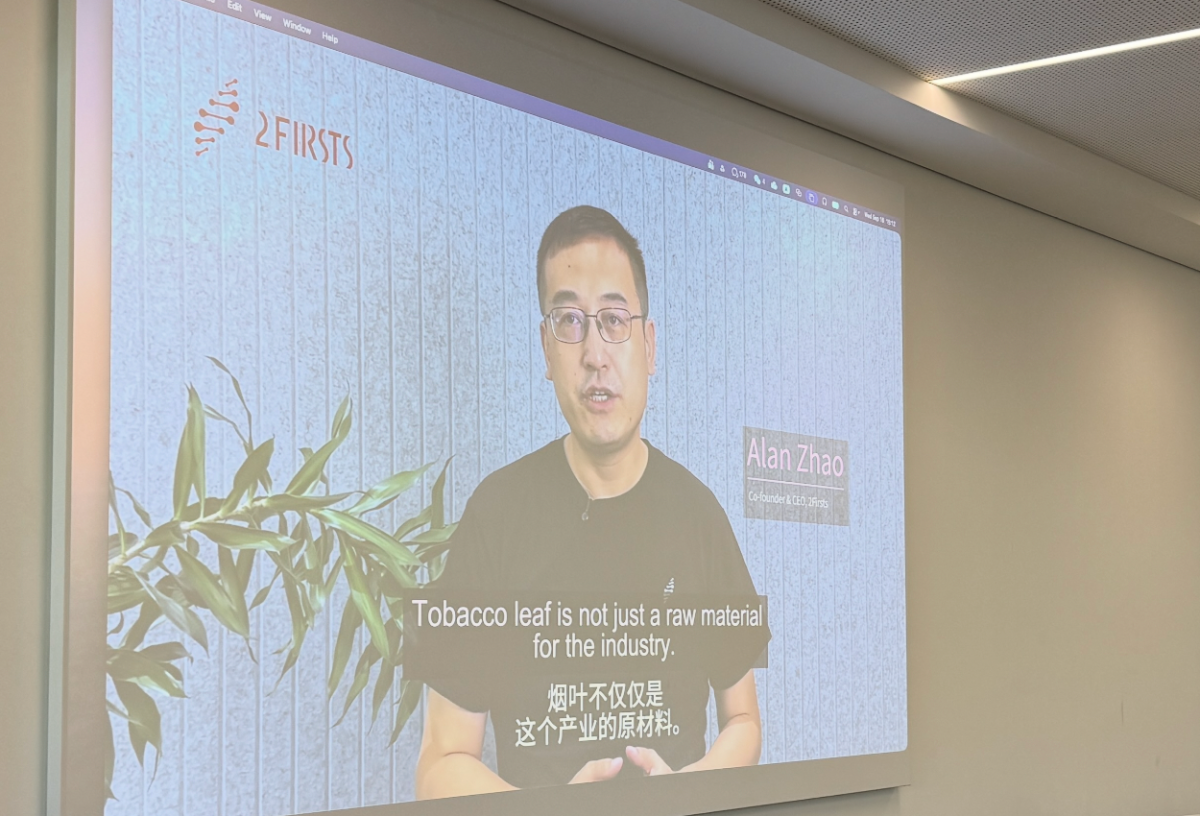
2Firsts Hosts China Market Forum at InterTabac as Global Industry Attention to China’s Tobacco Sector Deepens
On September 16, 2Firsts hosted a China-focused industry forum during InterTabac in Dortmund, bringing together more than 30 participants from North America, Europe, India, South Korea and other markets. The session covered traditional tobacco, next-generation products, exports, technology, regulation and supply chains, while examining how China’s tobacco sector operates, where its transformation may be heading, and why its growing role matters increasingly to companies across the global tobacco and nicotine industry.
Sep.21
2Firsts First Look|China to End VAT Export Rebates on Vape Devices and Nicotine in April 2027, Following Earlier Removal for HTP Devices and Nicotine Vapes
China's Ministry of Finance and State Taxation Administration announced on October 12, 2026, that value-added tax (VAT) export rebates for vape devices, nicotine and its salts, and certain non-combustible inhalation products will be eliminated from April 1, 2027. The measure adds four tobacco- and nicotine-related customs codes, including 8543400010, which covers vape devices and qualifying empty pods. China previously eliminated rebates for nicotine-containing vaping products and devices under code 8543400090 in April 2026. According to industry classification information held by 2Firsts, the latter currently corresponds to heated tobacco devices. Export excise tax refund and exemption arrangements will remain unchanged.
Special Report
Oct.12
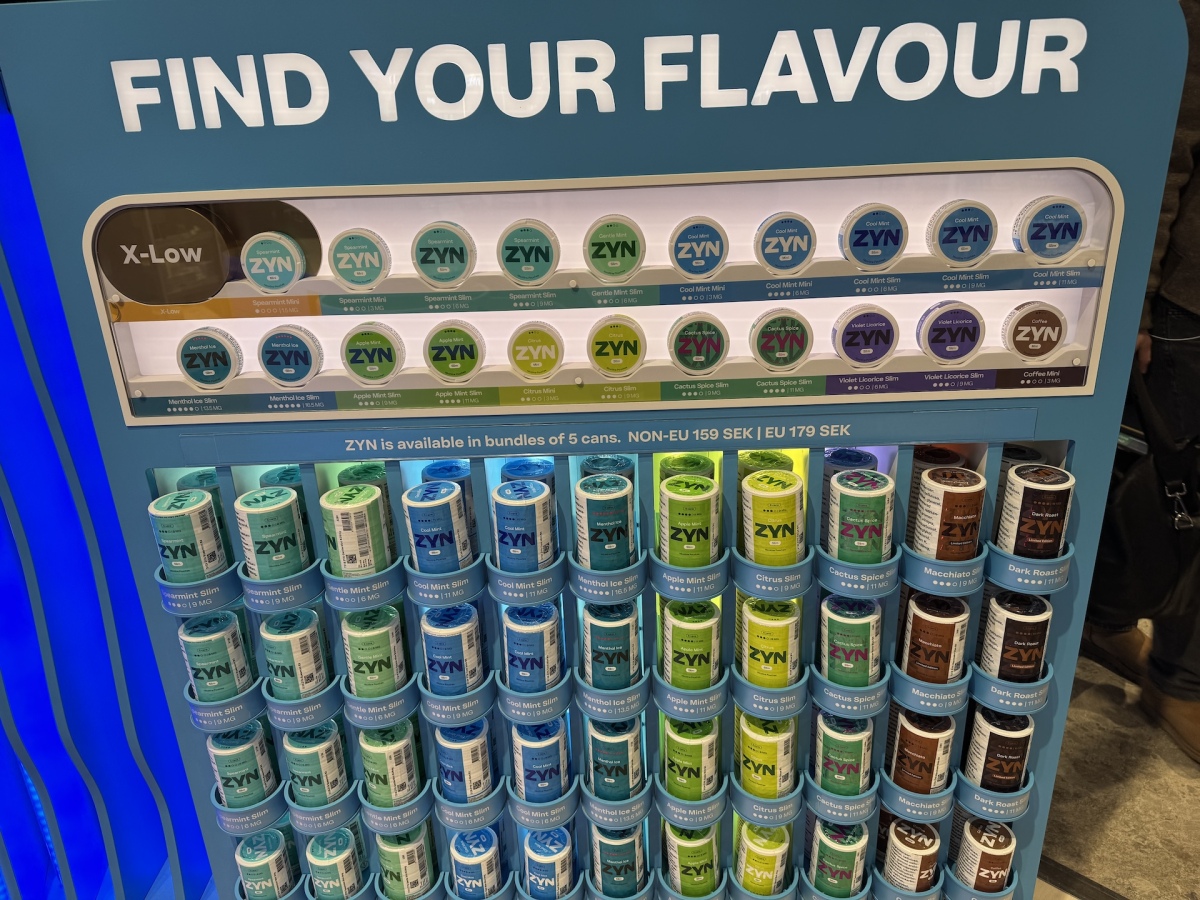
Sweden Finds ZYN Ingredient Labels Noncompliant Over Generic Flavoring Disclosure, Swedish Match Faces SEK 2 Million Monthly Penalty
Sweden's Public Health Agency has found ingredient labels on ZYN nicotine pouches sold by Philip Morris International subsidiary Swedish Match to be noncompliant, according to Dagens industri. The products' packaging listed 10 to 13 ingredients, compared with 11 to 42 in regulatory submissions, with multiple flavoring ingredients grouped under the generic term "aromer." The agency ordered corrective action, warning of a conditional penalty of SEK 2 million per month for noncompliance. The order applies only to products manufactured after the decision becomes legally effective and does not require recalls. Swedish Match disputes the agency's interpretation and plans to appeal.
PMI
Oct.22
Ireland Raises Nicotine Product Taxes Again as Cigarettes Gain €1 and Vape Duty Is Set to Jump 40%
Ireland has increased tobacco excise under Budget 2027 and announced a further rise in its E-liquid Products Tax. From Oct. 7, the tax burden on a pack of 20 cigarettes in the most popular price category increased by €1, with pro-rata increases on other tobacco products. The government plans to raise EPT from €0.50 to €0.70 per millilitre from Jan. 1, 2027, a 40% increase applying to both nicotine-containing and nicotine-free e-liquids. The tobacco duty increase is expected to raise about €63.1 million in a full year.
Regulations
Oct.09