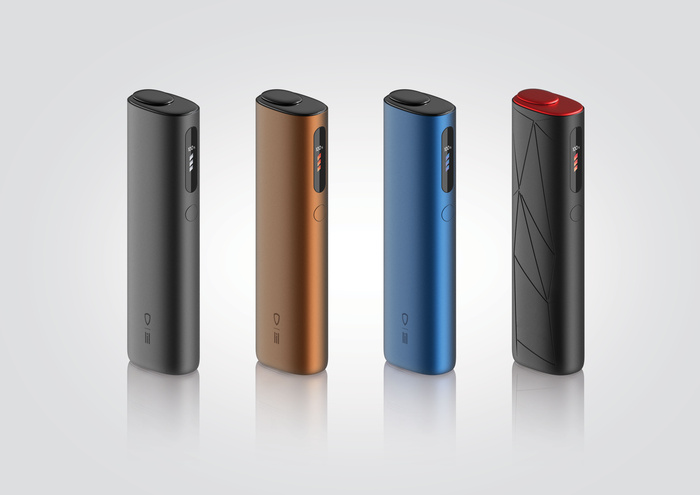
According to Prawo.pl's report on December 14th, a new legislative amendment regarding the use of e-cigarettes and tobacco products is expected to be implemented in the second quarter of 2025. This delay is due to the European Commission's notification procedure and additional transitional provisions, significantly extending the period for the regulations to take effect. Despite the fact that the project should have been submitted for cabinet review months ago, it has yet to be realized. Additionally, the Ministry of Health unexpectedly proposed a new amendment to the project, adding several pages of new legislative provisions. This move has sparked controversy as it bypassed the public consultation process.
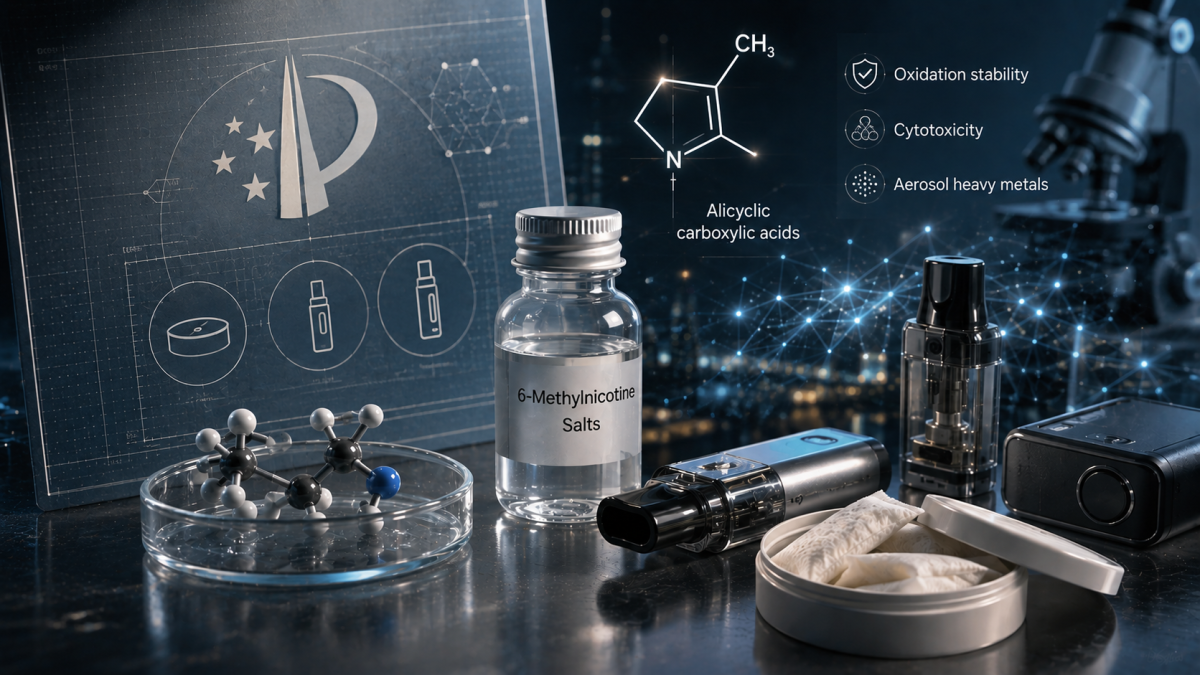
The amendment adjusts the nicotine pouch market. In October, the Health Department originally intended to ban the use of synthetic nicotine pouches through standalone legislation. Now, this provision has been incorporated into the e-cigarette legislative process as an amendment. The amendment argues that synthetic nicotine pouches currently on the market are not regulated by existing tobacco product regulations and therefore urgently need to be managed through legislation.
The amendment aims to establish a detailed definition for nicotine pouches, categorizing them as "relevant products," while also prohibiting their sale to individuals under the age of 18. In addition, the sale of these products will be prohibited in specific locations such as hospitals, schools, and sports facilities, and restrictions will be placed on online and vending machine sales. The Ministry of Health explains that these measures are intended to protect minors from the harmful effects of nicotine addiction.
Lawyer Marcin Bandurski pointed out that the widespread use of nicotine pouches has become a hidden concern for public health, especially among teenagers. Although the Ministry of Health had previously stated plans to completely ban nicotine pouches, the current amendment does not include a total ban. Countries like Belgium have already implemented a full ban on nicotine pouches, while Poland's amendment may actually lead to their legalization, contradicting the European "smoke-free" goal.
The Business Centre Club in Poland emphasizes the need for extensive public consultations during the legislative process, as well as a reasonable legal grace period to allow stakeholders to adapt to new regulations. Legal advisor Katarzyna Fortak-Karasińska stated that this amendment did not follow the normal legislative procedure and should undergo social consultations to ensure that its impact on the market is fully evaluated.
We welcome news tips, article submissions, interview requests, or comments on this piece.
Please contact us at info@2firsts.com, or reach out to Alan Zhao, CEO of 2Firsts, on LinkedIn
Notice
1. This article is intended solely for professional research purposes related to industry, technology, and policy. Any references to brands or products are made purely for objective description and do not constitute any form of endorsement, recommendation, or promotion by 2Firsts.
2. The use of nicotine-containing products — including, but not limited to, cigarettes, e-cigarettes, nicotine pouchand heated tobacco products — carries significant health risks. Users are responsible for complying with all applicable laws and regulations in their respective jurisdictions.
3. This article is not intended to serve as the basis for any investment decisions or financial advice. 2Firsts assumes no direct or indirect liability for any inaccuracies or errors in the content.
4. Access to this article is strictly prohibited for individuals below the legal age in their jurisdiction.
Copyright
This article is either an original work created by 2Firsts or a reproduction from third-party sources with proper attribution. All copyrights and usage rights belong to 2Firsts or the original content provider. Unauthorized reproduction, distribution, or any other form of unauthorized use by any individual or organization is strictly prohibited. Violators will be held legally accountable.
For copyright-related inquiries, please contact: info@2firsts.com
AI Assistance Disclaimer
This article may have been enhanced using AI tools to improve translation and editorial efficiency. However, due to technical limitations, inaccuracies may occur. Readers are encouraged to refer to the cited sources for the most accurate information.
We welcome any corrections or feedback. Please contact us at: info@2firsts.com