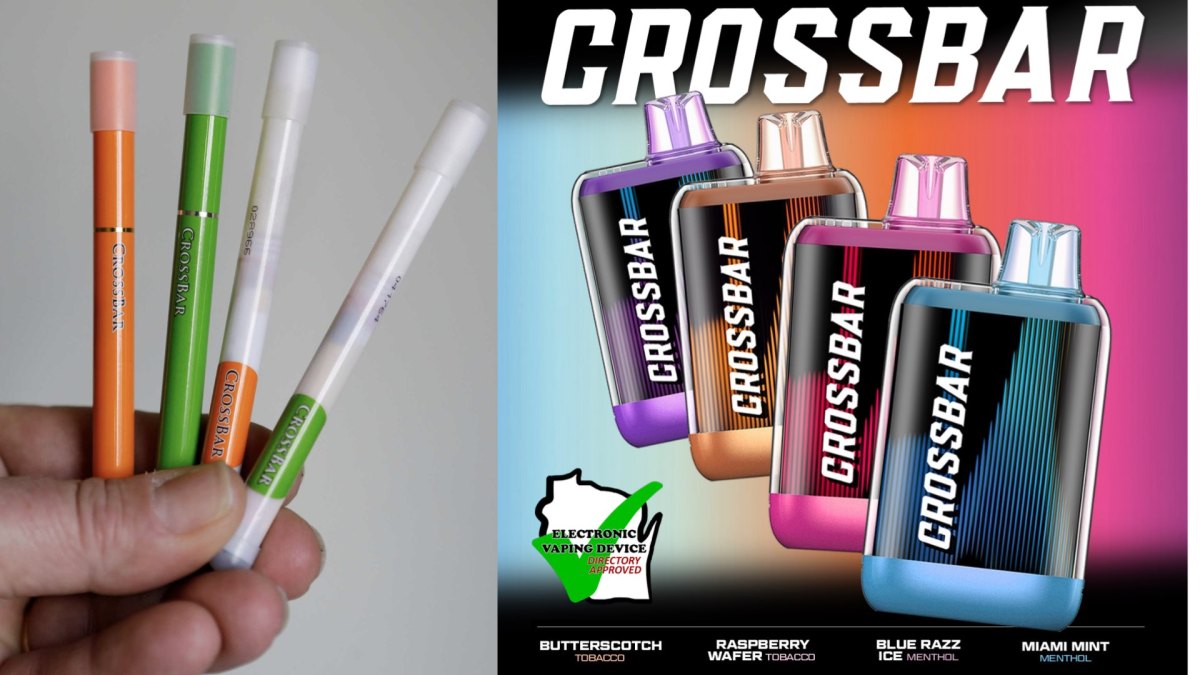
Note: The "Electronic Cigarette Management Measures" were officially released on March 11, 2022 and will take effect on May 1, 2022. The national standard for e-cigarettes was released on April 8, 2022 and will be implemented starting October 1, 2022. Since May 5, 2022, the tobacco monopoly administrative department has gradually promoted administrative licensing of e-cigarette market participants and product technology evaluation. We will now answer questions of public concern and address issues raised through phone calls and website messages from various market entities.
I'm sorry, there is no text provided for me to translate into standard journalistic English. Please provide the text and I will assist you.
What progress has been made in the administrative licensing and product technical evaluation of electronic cigarettes?
Answer: After the publication of the "Regulations on the Management of Electronic Cigarettes" and the national standard for electronic cigarettes, the tobacco monopoly administrative departments of the State Council issued related policy measures and instructions. They have also carried out propaganda and training on the policies related to the issuance of licenses for various market entities of electronic cigarettes and the technical evaluation of electronic cigarette products. They have provided timely answers to questions raised by some market entities and provided relevant guidance and services. All levels of tobacco monopoly administrative departments have carried out these activities.
Currently, the issuance of licenses for tobacco monopoly production enterprises, wholesale enterprises, and retail enterprises in the e-cigarette industry is progressing smoothly. Starting from May 5, 2022, the tobacco monopoly administrative authorities of the State Council and relevant provincial-level tobacco monopoly administrative authorities will begin accepting applications for tobacco monopoly production enterprise licenses from existing e-cigarette-related production enterprises, accepting applications for changes to tobacco monopoly wholesale enterprise licenses for e-cigarette wholesale enterprises, and conducting preliminary reviews and audits of applications from e-cigarette-related production and wholesale enterprises. Recently, a batch of tobacco monopoly production enterprise licenses for e-cigarette-related production enterprises that meet administrative licensing conditions will be approved and issued, and changes to tobacco monopoly wholesale enterprise licenses for e-cigarette wholesale enterprises that meet the criteria will be approved. Starting from June 1, 2022, applications for tobacco monopoly retail licenses will be accepted from existing e-cigarette retail market entities. After passing the audit, tobacco monopoly retail licenses will be issued progressively.
The national standard for electronic cigarettes has been officially released on April 8th, 2022 after two rounds of soliciting public opinions. This provides sufficient time for electronic cigarette manufacturers to comply with the national standard for product design and modification. Currently, most electronic cigarette manufacturers have submitted their product technology appraisal application on time, and have timely submitted their electronic cigarette products for inspection and appraisal. The technical appraisal institution is carrying out the product appraisal work in accordance with the procedures, and overall progress is smooth. However, a few electronic cigarette manufacturers have submitted products with flavor characteristics other than tobacco, such as fruit, cool or candy flavors, which do not comply with the mandatory national standard for electronic cigarettes and cannot pass the product technology appraisal. According to regulations, only electronic cigarette products that have passed technical appraisal can enter the electronic cigarette trading management platform. After the transition period ends, products that have not passed technical appraisal cannot be sold on the domestic market.
Can electronic cigarette companies that are already established simultaneously apply for a production license and product technology evaluation?
Answer: Existing e-cigarette companies can apply for both a production license and product technology evaluation. According to the "Electronic Cigarette Management Measures" and other related regulations, e-cigarette companies that apply for a tobacco monopoly production license must comply with national policies related to the e-cigarette industry and produce products that meet the national standard for e-cigarettes and have passed a technology evaluation.
Electronic cigarette manufacturers can apply for product technology review through a "three-step" process: first, submitting the application in the product technology review system; second, sending the product for testing to a product inspection agency; and third, providing the product for review to a technology evaluation agency. The products sent for testing and review must be consistent and comply with the national standards for electronic cigarettes, and must not contain any flavors other than tobacco (such as fruit, mint, or candy flavors). Relevant technical organizations will provide targeted technical services to electronic cigarette manufacturers for their submitted products, guiding them to improve their technical content and ensure the quality of their applications.
Can electronic cigarette manufacturers who have not obtained production licenses conduct transactions through the electronic cigarette trading management platform?
Answer: According to the regulations of the "Electronic Cigarette Management Measures," electronic cigarette manufacturers who have not obtained a production license are not allowed to conduct transactions through electronic cigarette trading platforms. After the transition period, electronic cigarette manufacturers who sell electronic cigarette products, atomizers, and e-liquids outside of the electronic cigarette trading management platform will be investigated and punished according to the law.
When will the e-cigarette tax policy be introduced?
Answer: According to reports, relevant departments of the country are currently conducting research and proceeding with the necessary procedures.
How can I obtain information about obtaining a retail license for e-cigarettes?
Answer: In order to regulate the retail licensing of electronic cigarettes and clarify the requirements for the layout of electronic cigarette retail outlets, the tobacco monopoly administrative department of the State Council released the "Guiding Opinions on the Layout and Licensing Management of Electronic Cigarette Retail Outlets" on April 15, 2022. On April 25, they also published "Instructions for Applying for a License for Electronic Cigarette Production and Operation Entities," which clarifies the relevant information that the electronic cigarette retail market entity needs to know when applying for a license. Recently, various tobacco monopoly administrative departments across the country have proactively publicized the electronic cigarette licensing management policy to the electronic cigarette retail market entities and the public through various online and offline methods, guiding existing electronic cigarette market entities to apply for electronic cigarette retail licenses. The retail licensing places for tobacco monopoly also lawfully disclose relevant information about electronic cigarette retail licenses for public inquiries. In addition, the public can also call the service hotline 12313 for policy consultations or consult the local tobacco monopoly administrative department for inquiries.
What is the progress of constructing an electronic cigarette trading management platform?
Answer: The main functions of the national electronic cigarette trading management platform have been established and have been verified through pilot testing in some regions and companies. On June 15, 2022, the platform will officially launch and all types of electronic cigarette market entities that have obtained tobacco monopoly licenses, including producers of electronic cigarette nicotine, vaporizers, electronic cigarettes, wholesalers, and retailers, will gradually conduct transactions and settlements on the platform in accordance with the law. At the same time, import companies of electronic cigarettes are required to register their products, vaporizers, and nicotine used in electronic cigarettes on the platform. Export companies of electronic cigarettes, vaporizers, and nicotine used in electronic cigarettes are also required to register their products on the platform.
7. How should products such as "solid electronic cigarettes" that resemble the appearance of traditional cigarettes be regulated?
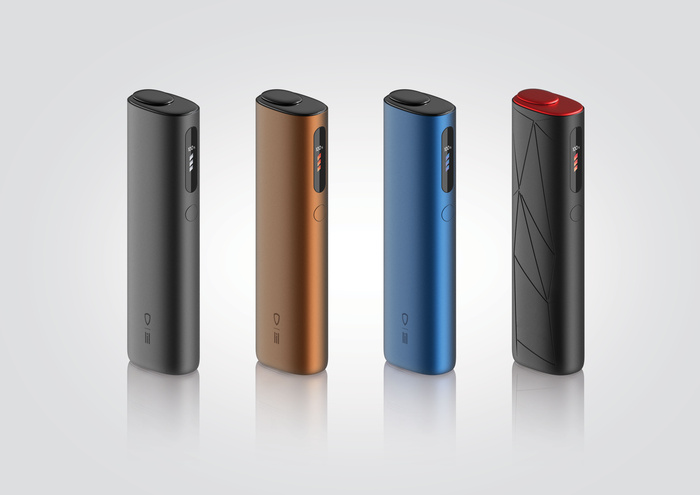
According to the reply from the National Tobacco Monopoly Bureau on the applicable legal issues of new types of cigarettes (National Tobacco Law [2022] No. 61), products such as "solid-state electronic cigarettes" that are similar in appearance to cigarettes, contain materials such as silk, powder, and granules, and release smoke containing nicotine through heating are considered heated cigarettes. Heated cigarettes have already been included in cigarette management in accordance with relevant laws and regulations. China has not yet approved the sale and distribution of heated cigarettes within its borders, and any market entity engaging in illegal operations of heated cigarettes is prohibited.
Source: State Tobacco Monopoly Bureau
Disclaimer
This article is provided solely for professional research, industry discussion, and informational purposes. Any references to brands, companies, products, technologies, or policies are made for factual reporting and analytical purposes only, and do not constitute endorsement, recommendation, promotion, or advertising by 2Firsts.
Nicotine-containing products, including but not limited to cigarettes, e-cigarettes, heated tobacco products, and nicotine pouches, carry significant health risks. Readers are responsible for complying with all applicable laws and regulations in their respective jurisdictions, including age restrictions and access limitations.
The information contained in this article should not be regarded as investment, legal, medical, regulatory, or commercial advice. While 2Firsts strives to ensure the accuracy and reliability of its content, it does not assume liability for any direct or indirect loss arising from errors, omissions, inaccuracies, or reliance on the information contained herein.
This article is not intended for individuals below the legal age for accessing tobacco or nicotine-related information in their jurisdiction.
Copyright Notice
This article is either original content produced by 2Firsts or content reproduced, translated, summarized, or adapted from third-party sources with attribution where applicable. The intellectual property rights of the original content remain with 2Firsts or the respective original rights holders.
No individual or organization may copy, reproduce, distribute, republish, modify, translate, or otherwise use this content without prior authorization. Any unauthorized use may result in legal action.
For copyright-related inquiries, corrections, or removal requests, please contact: info@2firsts.com.
AI-Assisted Translation and Editing Notice
Portions of this article may have been translated, edited, or reviewed with the assistance of artificial intelligence tools to improve efficiency and readability. Due to the limitations of AI-assisted translation and editing, discrepancies, omissions, or inaccuracies may exist when compared with the original source.
Where applicable, readers are advised to refer to the original source for the most complete and accurate information. If you identify any errors or believe that any content infringes upon your rights, please contact us at info@2firsts.com, and we will review and address the matter promptly.