New Zealand Chief Minister Proposes Reforms on Tobacco Tax

Regulations by 2FIRSTS.ai
Feb.01.2024
New Zealand Chief Minister Proposes Reforms on Tobacco Tax
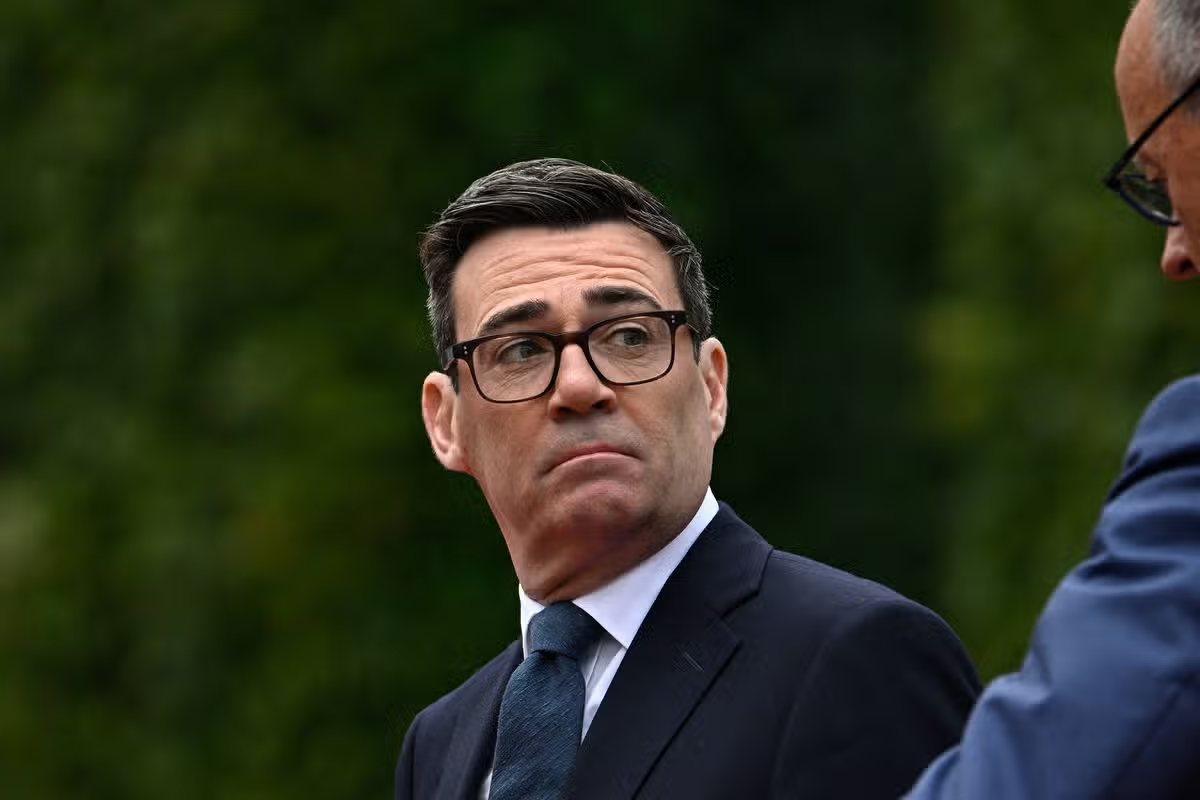
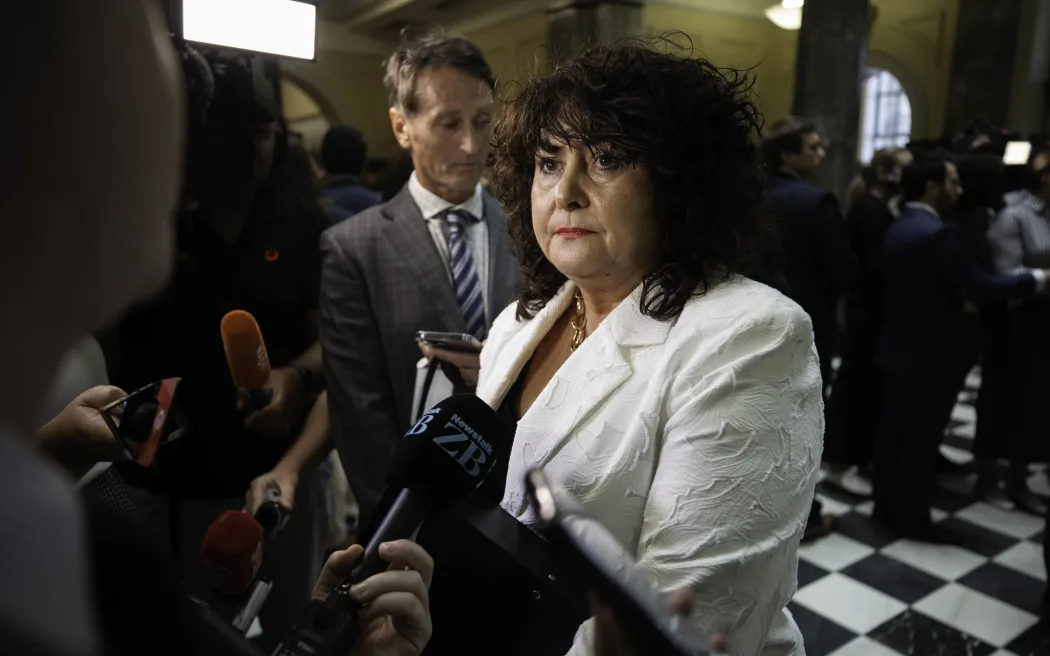
New Zealand Chief Minister Casey Costello proposes freezing tobacco tax and reducing taxes in a memo calling for smoke-free reforms.

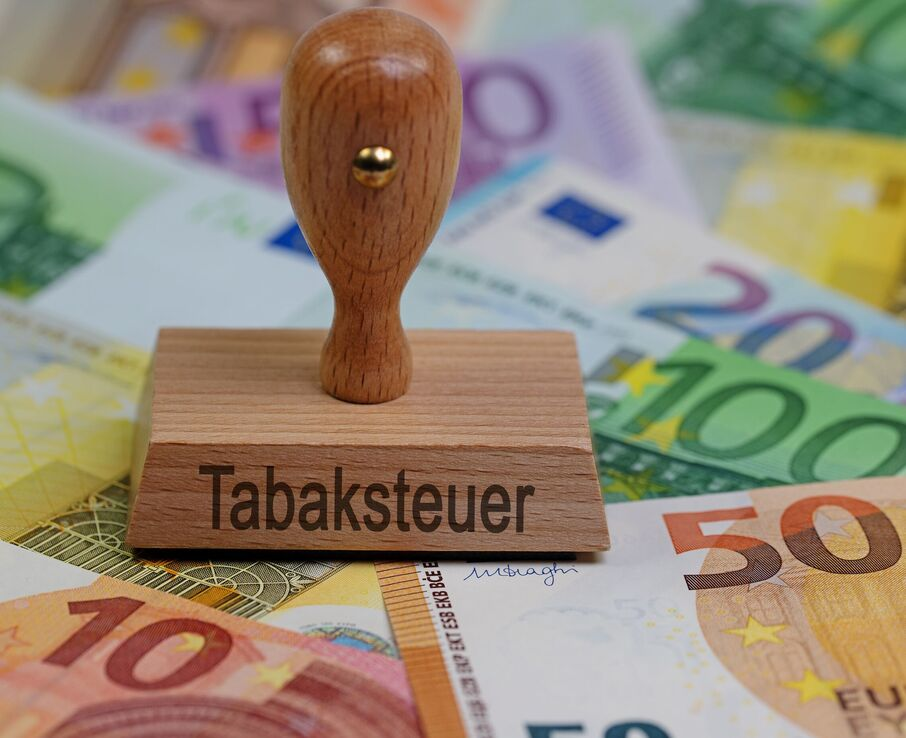
The New Zealand Broadcasting Corporation (RNZ) reported on February 1st that New Zealand Prime Minister Casey Costello proposed freezing tobacco excise tax and included suggestions for tax reduction in a memorandum submitted to the Ministry of Health regarding the reform of smoke-free regulations.


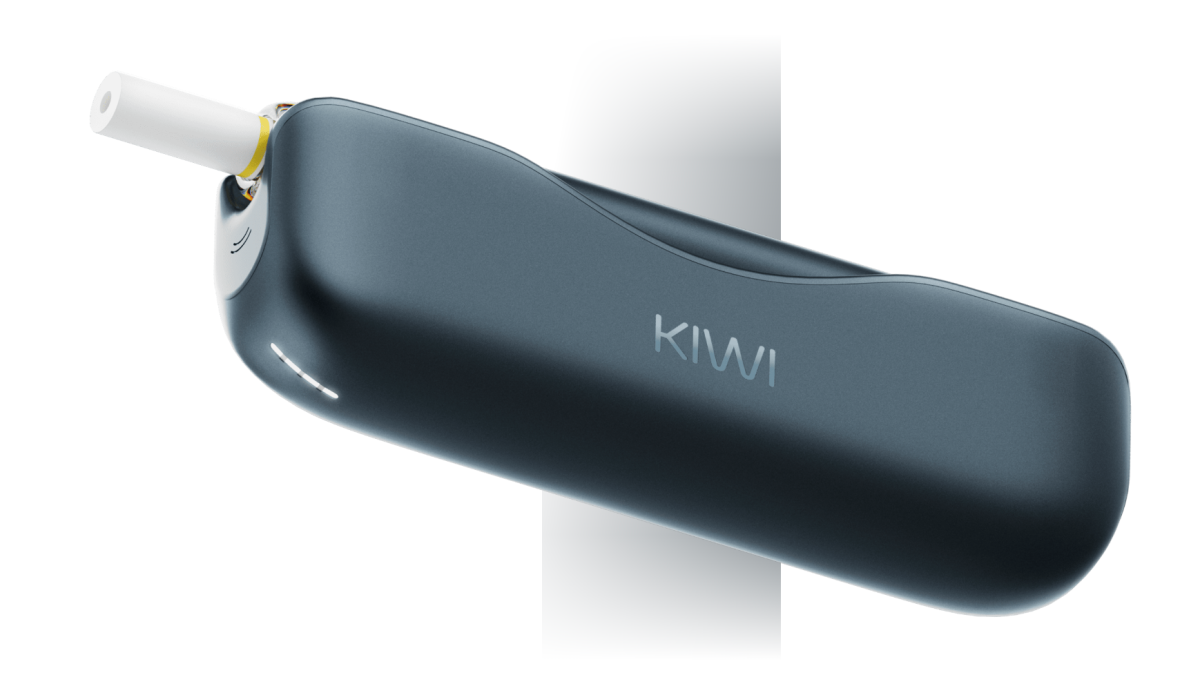
The memorandum also suggests implementing a zero consumption tax on tobacco products, including Philip Morris' new product, IQOS. It compares the risks of nicotine to those of caffeine, emphasizing that e-cigarettes are an effective means of reducing the number of smokers. The memorandum further highlights the challenges faced by the tobacco industry and calls for the creation of safer alternatives, such as e-cigarettes, to address these challenges.


New Zealand Prime Minister Christopher Luxon has announced that the government has raised the excise tax on cigarettes. However, proposals contained in the Costello memorandum have sparked controversy over New Zealand's smoke-free policy, particularly the recommendations regarding tobacco excise tax and tax reductions.


We welcome news tips, article submissions, interview requests, or comments on this piece.

Please contact us at info@2firsts.com, or reach out to Alan Zhao, CEO of 2Firsts, on LinkedIn


Notice

1.  This article is intended solely for professional research purposes related to industry, technology, and policy. Any references to brands or products are made purely for objective description and do not constitute any form of endorsement, recommendation, or promotion by 2Firsts.

2.  The use of nicotine-containing products — including, but not limited to, cigarettes, e-cigarettes, nicotine pouchand heated tobacco products — carries significant health risks. Users are responsible for complying with all applicable laws and regulations in their respective jurisdictions.

3.  This article is not intended to serve as the basis for any investment decisions or financial advice. 2Firsts assumes no direct or indirect liability for any inaccuracies or errors in the content.

4.  Access to this article is strictly prohibited for individuals below the legal age in their jurisdiction.


Copyright


This article is either an original work created by 2Firsts or a reproduction from third-party sources with proper attribution. All copyrights and usage rights belong to 2Firsts or the original content provider. Unauthorized reproduction, distribution, or any other form of unauthorized use by any individual or organization is strictly prohibited. Violators will be held legally accountable.

For copyright-related inquiries, please contact: info@2firsts.com


AI Assistance Disclaimer


This article may have been enhanced using AI tools to improve translation and editorial efficiency. However, due to technical limitations, inaccuracies may occur. Readers are encouraged to refer to the cited sources for the most accurate information.

We welcome any corrections or feedback. Please contact us at: info@2firsts.com

2Firsts’ Nine Global Turning Points: How 2025 Reshaped the Nicotine Industry
In 2025, the global nicotine industry reached a critical turning point. Regulatory realignment, category shifts, capital repositioning and technological intervention unfolded in parallel, loosening old structures while new ones took shape. 2Firsts reviews nine pivotal events that reshaped the industry’s trajectory.
Jan.14
Malaysian Sabah GOF seizes e-cigarettes, vapes and e-liquids worth over  USD 156,333 in seven-district operation
Malaysian Sabah GOF seizes e-cigarettes, vapes and e-liquids worth over USD 156,333 in seven-district operation
In Sabah, Malaysia’s General Operations Force (GOF) seized thousands of e-cigarette devices, vapes and e-liquids worth more than RM635,000 and detained 23 people during a simultaneous integrated operation across seven districts.
Jan.19 by 2FIRSTS.ai
USITC Launches Section 337 Probe Into Disposable and Closed-System ENDS, Involving 16 Companies
The U.S. International Trade Commission (USITC) voted to institute a Section 337 investigation into certain disposable and other closed-system electronic nicotine delivery systems (ENDS) devices and components thereof (Inv. No. 337-TA-1486). The investigation stems from a complaint filed on January 13, 2026 by R.J. Reynolds entities based in Winston-Salem, North Carolina, supplemented on February 3, 2026.
Mar.05 by 2FIRSTS.ai
Special Report | Belarus Rejects Vape Ban, Opts for Tighter Market Controls
After weeks of debate over a potential blanket prohibition, Belarus has decided against banning electronic cigarettes, choosing instead to tighten control over wholesale, imports and licensing. President Alexander Lukashenko warned that an outright ban could drive the market underground and undermine state revenues, as officials move to curb widespread illicit trade while keeping retail sales largely intact.
Mar.04
BAT CEO Says 2026 Return to Growth Hinges on U.S. Enforcement, Highlights Oral Leadership
British American Tobacco said 2026 will mark a return to its mid-term growth algorithm, but CEO Tadeu Marroco stressed that deliverywill depend heavily on enforcement against illicit vapour products in the United States. Speaking at the FY2025 results call, he positioned Modern Oral as the company’s primary structural growth engine, reframed accelerating cigarette declines through “poly-usage,” and reinforced capital discipline with an expanded share buyback plan.
Feb.12
South Korea to regulate synthetic-nicotine e-liquids as tobacco from April 24
South Korea’s Health Ministry says amendments to the Tobacco Business Act will take effect on April 24, bringing synthetic-nicotine e-liquid vapes under the legal definition of tobacco. The shift extends cigarette-style rules to these products, including mandatory graphic warnings, sharply limited advertising channels, stricter vending-machine placement requirements, and a ban on use in smoke-free areas, with enforcement checks slated from late April.
Feb.03 by 2FIRSTS.ai