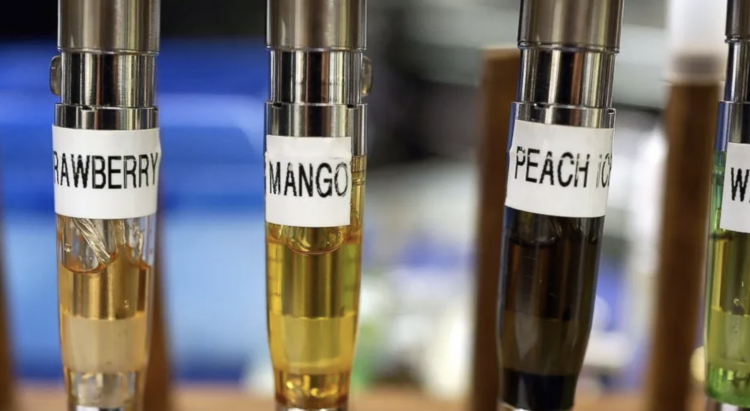
Advocates for smoke-free environments warn that if New Zealand's electronic cigarette regulator, the Vaping Regulatory Authority (VRA), persists in its new interpretation of product standards, it could significantly lower the maximum limit for "nicotine salts". This development could put the success of the Smokefree Aotearoa 2025 goal in jeopardy.
If VRA continues down this path, it will not only jeopardize the country's smoke-free goal, but also completely overturn an agreed standard that affects 80% of the New Zealand market, without any reasonable explanation or consultation," said Nancy Loucas, co-founder of Aotearoa Vapers Community Advocacy (AVCA).
AVCA has stated that VRA has been happily approving products for sale for the past 15 months, according to their own agreed-upon 2021 standards. However, it now claims that most of these approvals are no longer compliant due to an unwise reinterpretation, which is not only incorrect but also does not align with global standards.
The latest explanation from VRA is that the maximum nicotine content has been reduced by 50%. This only slows down the speed at which smokers urgently trying to quit will turn to using relatively safe nicotine products. Worse still, it may lead to quitters reverting back to smoking cancer-causing cigarettes," Ms. Loucas said in her statement.
Earlier this month, government statistics revealed that New Zealand's smoking rate has reduced from 9.4% a year ago to a historic low of 8% of the population smoking daily.
The AVCA has stated that nicotine e-cigarettes are crucial in New Zealand's current smoking rate dropping to half of what it was 10 years ago. However, the latest move by the VRA will slow down the country's success towards becoming smoke-free by 2025, with a goal of 5% or fewer New Zealanders regularly smoking.
As advocates for consumer rights, we only demand that VRA negotiates with importers, local manufacturers, and retailers who comply with the 2021 standards and have no consumer issues, in good faith.
These standards and their initial explanations were established last year after a significant amount of evidence-based research and public consultation. Regulatory agencies are now reinterpreting these standards, which is entirely unfair for local businesses and could be disastrous for consumers," said Ms. Loucas.
AVCA stated that nicotine is not the issue. Instead, it is combustible cigarettes that cause approximately 5000 New Zealanders to die from smoking-related diseases each year.
The New Zealand Ministry of Health has implemented a tobacco harm reduction (THR) strategy which is proving successful. Through publicly-funded activities and programs, our healthcare providers have distributed thousands of electronic cigarettes as a highly effective smoking cessation tool.
We cannot allow a complete rejection of VRA at this time. We call on Dr. Ayesha Verrall, the Deputy Minister of Health, to participate and bring VRA back to its original intentions," stated Nancy Loucas.
2FIRSTS will continue to provide updates on this topic and the latest information will be available on the '2FIRSTSAPP.' Scan the QR code below to download the app.
Disclaimer
This article is provided solely for professional research, industry discussion, and informational purposes. Any references to brands, companies, products, technologies, or policies are made for factual reporting and analytical purposes only, and do not constitute endorsement, recommendation, promotion, or advertising by 2Firsts.
Nicotine-containing products, including but not limited to cigarettes, e-cigarettes, heated tobacco products, and nicotine pouches, carry significant health risks. Readers are responsible for complying with all applicable laws and regulations in their respective jurisdictions, including age restrictions and access limitations.
The information contained in this article should not be regarded as investment, legal, medical, regulatory, or commercial advice. While 2Firsts strives to ensure the accuracy and reliability of its content, it does not assume liability for any direct or indirect loss arising from errors, omissions, inaccuracies, or reliance on the information contained herein.
This article is not intended for individuals below the legal age for accessing tobacco or nicotine-related information in their jurisdiction.
Copyright Notice
This article is either original content produced by 2Firsts or content reproduced, translated, summarized, or adapted from third-party sources with attribution where applicable. The intellectual property rights of the original content remain with 2Firsts or the respective original rights holders.
No individual or organization may copy, reproduce, distribute, republish, modify, translate, or otherwise use this content without prior authorization. Any unauthorized use may result in legal action.
For copyright-related inquiries, corrections, or removal requests, please contact: info@2firsts.com.
AI-Assisted Translation and Editing Notice
Portions of this article may have been translated, edited, or reviewed with the assistance of artificial intelligence tools to improve efficiency and readability. Due to the limitations of AI-assisted translation and editing, discrepancies, omissions, or inaccuracies may exist when compared with the original source.
Where applicable, readers are advised to refer to the original source for the most complete and accurate information. If you identify any errors or believe that any content infringes upon your rights, please contact us at info@2firsts.com, and we will review and address the matter promptly.