NYC Mayor Eric Adams Launches Operation Padlock to Protect City

Regulations by 2FIRSTS.ai
May.08.2024
NYC Mayor Eric Adams Launches Operation Padlock to Protect City
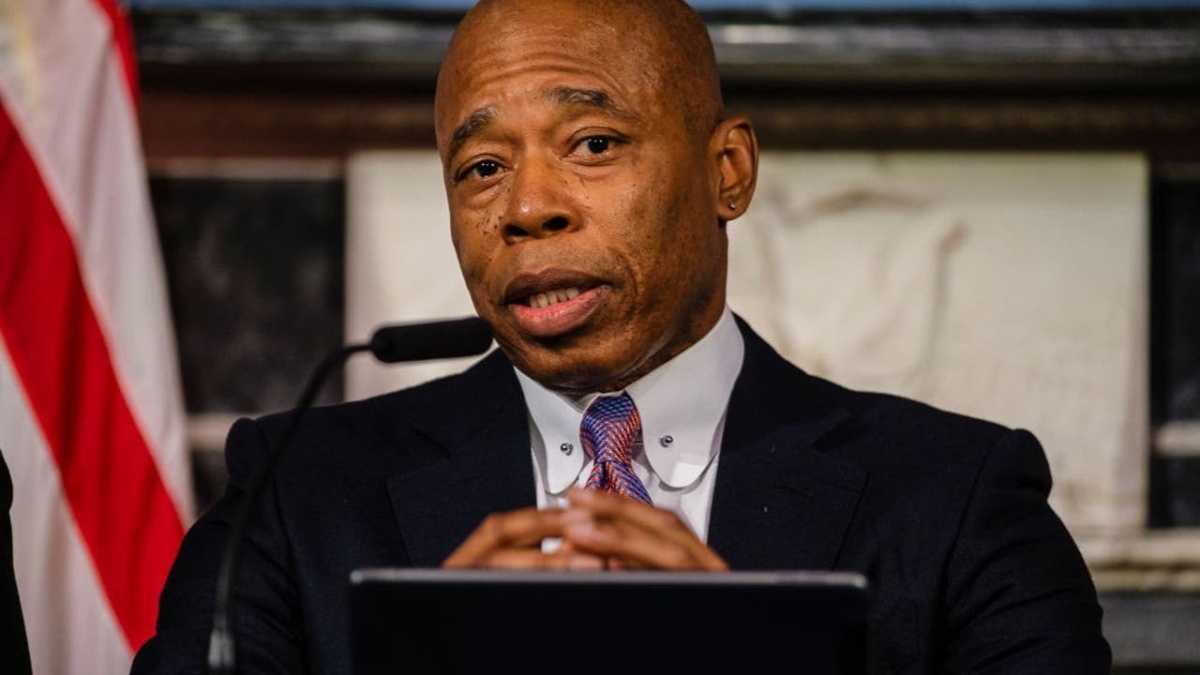
NYC Mayor Eric Adams launches Operation Padlock to Protect, shutting down unauthorized tobacco and marijuana shops in five boroughs.

According to Fox5ny on May 7th, Mayor Eric Adams of New York City announced on Tuesday the launch of a project called "Operation Padlock to Protect," which will close all unauthorized tobacco and marijuana stores in five boroughs of the city. This move comes after the state government granted new powers to local governments in the new state budget.


The Adams administration has made it clear that any businesses operating illegally will quickly face legal consequences. This measure aims to protect the city's children, improve quality of life, and promote the safe prosperity of the legal marijuana market.


Thanks to Governor Kathy Hochul and our collaboration with the state legislature, each neighborhood in New York City is now using the law to protect our streets. Legal cannabis remains the right choice for our city, but for those who choose to break the law, we will shut down your shop.


According to a press release, the city government has filed lawsuits against 15 e-cigarette retailers and convenience stores from last summer to last month. The Mayor's Office stated that the "Lock It Up" initiative will be rapidly implemented in the coming weeks.


We welcome news tips, article submissions, interview requests, or comments on this piece.

Please contact us at info@2firsts.com, or reach out to Alan Zhao, CEO of 2Firsts, on LinkedIn


Notice

1.  This article is intended solely for professional research purposes related to industry, technology, and policy. Any references to brands or products are made purely for objective description and do not constitute any form of endorsement, recommendation, or promotion by 2Firsts.

2.  The use of nicotine-containing products — including, but not limited to, cigarettes, e-cigarettes, nicotine pouchand heated tobacco products — carries significant health risks. Users are responsible for complying with all applicable laws and regulations in their respective jurisdictions.

3.  This article is not intended to serve as the basis for any investment decisions or financial advice. 2Firsts assumes no direct or indirect liability for any inaccuracies or errors in the content.

4.  Access to this article is strictly prohibited for individuals below the legal age in their jurisdiction.


Copyright


This article is either an original work created by 2Firsts or a reproduction from third-party sources with proper attribution. All copyrights and usage rights belong to 2Firsts or the original content provider. Unauthorized reproduction, distribution, or any other form of unauthorized use by any individual or organization is strictly prohibited. Violators will be held legally accountable.

For copyright-related inquiries, please contact: info@2firsts.com


AI Assistance Disclaimer


This article may have been enhanced using AI tools to improve translation and editorial efficiency. However, due to technical limitations, inaccuracies may occur. Readers are encouraged to refer to the cited sources for the most accurate information.

We welcome any corrections or feedback. Please contact us at: info@2firsts.com

Putin Signs Russia’s Tobacco and Nicotine Product Licensing Law, Banning Unlicensed Sales From 2027
Russian President Vladimir Putin has signed a law introducing mandatory licensing for wholesale and retail trade in tobacco and nicotine-containing products, with the system taking effect on October 1, 2026, and unlicensed operations banned from March 1, 2027, while vape and e-liquid retail may also face uncertainty from temporary regional sales-ban powers.
Jul.01
PMI Q2 Call: ZYN Growth, IQOS Pricing and a Diverging Global Tobacco Market
Philip Morris International’s second-quarter earnings call offered new detail on its smoke-free strategy. Management said it would increase U.S. investment behind nicotine pouch brand ZYN, keep IQOS focused on volume before stronger pricing, and use SENTIA, DELIA, LEVIA, VEEV and ZYN to manage tax and regulatory pressure across Japan and Europe. Analysts from Goldman Sachs, Morgan Stanley, UBS and other firms also pressed PMI on profitability, market share, cigarette resilience and the durability of its global transformation over coming quarters.
Jul.24
How AI Is Rewriting the Talent Playbook for the Nicotine Industry: JTI’s Case
AI is moving from a back-office tool to a core organizational capability in the nicotine industry. Based on JTI’s responses, this 2Firsts feature examines how AI is reshaping talent strategy, internal mobility, decision-making and human accountability as global tobacco companies compete in the shift toward new nicotine categories.
Jun.17
Italy Fines PMI €7 Million Over Misleading ‘Smoke-Free Future’ Marketing Claims
Italy’s Competition and Market Authority (AGCM) has fined Philip Morris Italia €7 million, finding that the company’s use of “smoke-free future” and related claims in promoting products such as IQOS, VEEV and ZYN could mislead consumers.
Jun.16
EU Tobacco Rules Face Pushback as Analysis Says 90% of Consultation Responses Raised Objections
An analysis by We Are Innovation says more than 90% of over 82,000 responses to the European Commission’s public consultation on the Tobacco Products Directive revision raised at least one substantial objection to the proposed regulatory direction.
Jul.13
South Korea’s New Vape Rules Raise Bar for E-Liquid Makers and China-Linked Supply Chains, Expert Says
South Korea’s new vape regulations are reshaping the e-liquid market, raising compliance requirements for manufacturers, retailers and overseas suppliers. In an interview with 2Firsts, Korean nicotine products specialist Sam Kim discusses licensing barriers, inventory impacts, China-linked supply chains, and emerging regulatory challenges around nicotine analogues, nicotine-free products and DIY mixing. The Korean case may offer broader insights as governments worldwide adapt to rapidly evolving nicotine products.
Jul.16